- 01How Wes's roots in South Florida electro and Two Live Crew's Miami bass scene predate — and shaped — his love of breakbeat music
- 02What the DC rave underground looked like in the early 90s, from Buzz at Nation to the community of DJs that included Fort Knox Five and Deep Dish's Yoshitoshi Records
- 03Why Wes never fully left his engineering career, and how the Pentagon job after 9/11 became the moment he understood the difference between hourly work and value-based pricing
- 04How Ableton unlocked music production for a whole generation of DJs who couldn't crack hardware-era workflows
- 05The real business of sync licensing — owning your masters, deal structures, and how Tabletop Racing World Tour became a quiet revenue machine
- 06What it actually means to DJ a set atop a 747 at Burning Man — after running a 50k ultramarathon that same day
- 07Why knowing your worth as an artist isn't arrogance, it's the foundation of a sustainable career
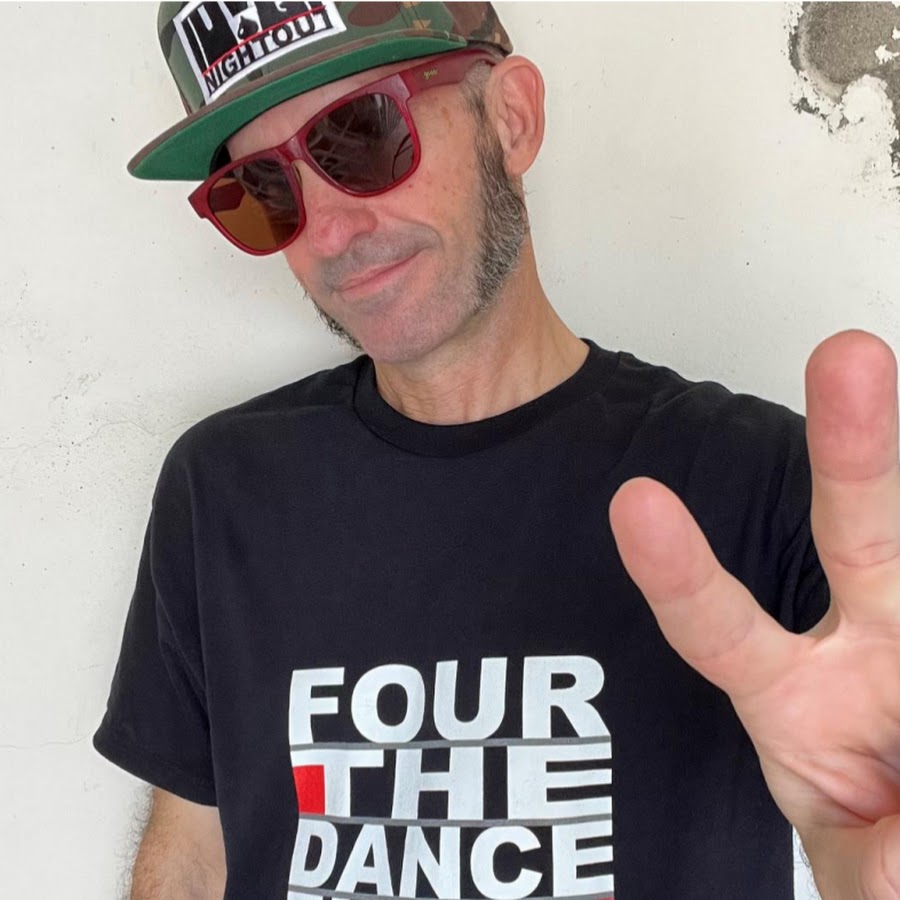
Wes Smith is a DJ, producer, and founder of Juice Recordings — a breakbeat and bass-music label built on the principle that if you own your masters, you own your future. With roots in South Florida's pre-rave electro scene and a formative decade inside Washington DC's underground rave community, Wes developed a hybrid identity: equal parts engineer, artist, and independent businessman.
His production catalogue spans sync placements in major video game titles including Tabletop Racing World Tour, over 50 individual tracks licensed into the gaming ecosystem, and a DJ career that has taken him from DC warehouse parties to the top of a 747 at Burning Man. A regular at Space Cowboys events in San Francisco, Wes brings to every set the same curiosity that made him study sound systems in college and eventually crack open Ableton when hardware-era production made no sense to him. He continues to DJ, produce, and mentor emerging artists from his base in San Diego.
South Florida Electro to DC Rave Roots
Introduction & Space Cowboys Halloween Show
After 25 years behind the decks, I've learned that every DJ has a unique path. On DJ Deckard, I'm launching a DJ's Journey, a podcast that explores the stories behind the music with the DJs who shaped our scene. My first guest is pioneer DJ Dan, taking us from the early West Coast rave scene up to today's electronic landscape. Welcome to a DJ's Journey, where every beat tells a story.
I'm so sick dude
That's awesome. I want to welcome a very esteemed guest and friend, Wes Smith, Juice Recordings, Breaks producer, not just Breaks, but esteemed Breaks producer in my eyes and DJ, and someone whose podcast I was on a long time ago, or Livecast, I guess. What would you call it? Never Leave Podcast. It was a live stream. Live stream. Live stream, was like a podcast. Welcome. Welcome to San Francisco. Happy to have you in town.
Livestream. Thank you, my man. Good to be here. Looking forward to the show tonight.
Indeed, Yeah, so Space Cowboys doing our Cowboys and Aliens Halloween show. Long-held tradition in San Francisco. Very excited. So welcome to my podcast. You are guest number three of Behind the Decks.
Is that the name of the podcast? It the day.
Yes, yes. Love it. Yes. So we're just going to dive right in. And really, you know, I gave you just a little hint about it beforehand, but I'm most interested about people's passion for music and in particular, DJs and producers. And so I'm curious about, know, was growing up for you? Like, what was music like? You know, for me, it was like, I still can remember eight tracks everywhere and I can remember the... You know, Neil Diamond, Kenny Rogers, you know, I enjoyed it. And maybe when I hit around like 11 and 12, I remember like this, heard Duran Duran, Hungry Like the Wolf. And I just went, this is something different. And it hit my brain in a certain way. And I think that kind of forever got me down that road. What was that like for you?
Growing Up: The Carpenters, Victrola, and a Cool Sister
want to go all the way back. I mean, you know, to whatever relevant to you. Yeah, sure. things that have started some thread that gets us all the way to today. Well, we'll just start with my parents. So my father was a huge fan of The Carpenters and then also the soundtrack to the movie Sting or The Sting.
I'm on your diamond.
So I've heard that a zillion times, a kid. And I liked it. It's cool, the entertainment. he had a Victrola that he had built. I come from an engineering family, so he had built this thing from billet aluminum, et cetera, and put those guts in the case of the original wood Victrola casing. That's what we had around the house to listen to vinyl on. My mom flipped to her side, different kind of background, but...
That's awesome.
My mom was always into Elvis. She grew up in the South and so a lot more of the blues and jazz sort of camp represented on her side. I have one sister, three years older than me. And that I would say my sister, in terms of how we get to anything, dance, pop, synth music, any of that, electronic music, would be my sister for sure. Yeah, like so when you mentioned Duran Duran, you know, It could have been anything. Howard Jones, Wham, all those were constantly in the house.
Synth Pop, New Order & the Miami Bass Discovery
What? So this is probably what? Like, 80s? Early, mid 80s? Yeah.
Yeah, and so this would that would have been high school time for my sister and then and me being three years younger, right? So she was just getting into that kind of high school arena exploration exploring her own music versus the parents, right? Yeah, and and so she had money to buy music You know and friends with cars and things so they could go and explore and get this music, right? So that's that's what was my guide and my sister also played piano pretty well still does and she ended up playing in bands like synth bands of those styles in college. So I always had that I guess as a guideline of what could be done. Cool sister. Yeah, I could always follow that as sort of what could be done and you know I'd fight her for her music sometimes like, wait that's mine, she's not, that's mine. What that kid. Yeah, yeah, yeah. So when I got to that high school age to continue on this thread real quick, for me, those
Hey, why is that cassette in
vibes started to change a bit more. I would say New Order was pretty close to that, you know, that she didn't listen to, but was next thing for me. Yeah. That kind of stuff. And then the Miami and South Florida vibe came in, which was two live crew, the Miami bass sound, all of those kind of things. And so that's really when I started to, I would say, take off in a music that was my discovery now. Right. Yeah.
Yeah, that was a, I still remember the day when I got Beastie Boys and Run DMC on the same day. Yeah. That's what freedom felt like was like, I out of the I go to Tower Records, I'm gonna go pick up some hot new hip hop. Yeah, life was different.
Yeah, in Florida, was this guy, I think he was West Coast Florida, like Tampa, Pete area. And they were basically like the mixtape circles, right? And there was this guy, Jampone, and they were the most famous mixtapes like on the planet in Florida. And they were all electro. And then you had, and then sort of the flip side or East West competition would have been, from the Miami side would have been definitely the most popular at that time doing mixtapes was this guy, DJ Laz. And he was on like the power. Power 96, Power 95, whatever it was in Miami forever and just like famous basically. And so those are the two guidelines we had for the music that was mixed. Those were my introduction to even the fact that. Yeah, because that's a segue, right? All the discovery and listening is one thing. American Top 40, whatever you listen to around the house. then through that, it's not evident that you would mix that.
mixed music goes next I think I really picked, I mean, well, was a kid of, I was a real MTV kid. So it was, my brother, I had a similar situation. My brother was five years older. So I did get the benefit of, you know, when he was feeling nice, a good brother, you know, he would go drive me somewhere or whatever. He would take me to Tower Records or something before I could drive.
But yeah, I never really hit clubs early anything. I don't think it was until I went to college and it dawned on me that I had the desire to DJ in some form or whatever, but it was not a part of my life. And I just went and like literally went and answered an ad to go DJ at a bar restaurant and they hired me. And I'm like, I think if I didn't do that, I think I still would have hit on it at some point. I think it was in my cards. But that was like the, I look back on that now actually, I'm like, well, that was kind of crazy. I just like went and answered to add with like zero experience, know, where I mean, for real, you know, mean, was, was a music freak and a fanatic, but okay.
The Italian Kid with the Honda Prelude — First Turntables
So that real quick, that little segue there realizing that mixing was a thing. Then I met, so this was for the end of high school. This would have been 89-ish in that range. And so before I graduated high school, I met this, we were big into, it was a Florida thing, I think, maybe California thing, like lowering Volkswagen's or lowering any kind of Honda.
the thing yeah
Right, and all the skirts and black out tent and then huge stereos in them, primarily subwoofers. Convertible plug? Well, so I didn't have the money for that at the time when I met this kid, this Italian kid from Northeast, but he lived in, you know, they had moved down to Florida and I was in high school with him and his name was Ralph, I forgot his last name, but he was as Italian as they come. And he had a Honda Prelude, red, blacked out, the whole backseat was just gone, it was just speakers. And so we cruise around the movie theater in that. And he was the first guy I ever met who had turntables. And he actually DJ'd. And so he was where I saw and saw the idea, but didn't learn yet.
Right, okay, so that was gonna be my question then. So for me, there was something about, you know, had some, you know, telling stories through music, you know, like there was, for me, there was something about that. And I wasn't formed yet to be like what a DJ really, you know, was or could be. that was- me, was Casey Hayes. Yeah, I expected I was gonna be doing something like that. Like I am on 107.7 The End and here's, you know, whatever.
KC Kasem Top 40 Top 40 was Aditya for
Nirvana, you I thought that's what I was giving you. So when you were, so you're making that, that you're getting into, mean, Florida breaks, that's like, that's kind of like a good early, you know, influence for, for someone to get into breaks, that's for sure.
Yeah, I mean, well, that's a good. It is and really, really like, think, right off to when I've talked to.
I see- What? I see, I see windows, I see come along, 90s.
Yeah, yeah, I'll hit him in a second, because he's definitely a key piece of the whole entire story that I can't go without talking about any time this comes up. But because I think a lot of times when I'm just talking casually to someone, particularly if they're a Breaks fan and a Breaks era of mind fan kind of thing, they may not realize that I'm as old as I am. so for them, they just think Florida and then like that Florida Breaks in the EDM Florida Breaks movement. But I predate that. So for me, as well as Icy, what got us into it was hip hop and the Two Live Crew era, the ghetto DJs, the South Florida, that sound was it.
Dude, a two life crew was like...
DJ Magic Mike, Two Live Crew & Florida Electro Roots
As nasty as you wanna be was the album. I would just say that-
was eye-opening. was eye-opening. that was one of those ones where I'm like, okay, I mean, my parents gave me autonomy anyway, so it's not like they were looking through my music collection. But that was one where I'm like, I don't think I'd be playing this one.
wore it out and there was a guy out of Orlando DJ Magic Mike. He's still active and he was a huge influence to ICE as well. I know as well. Yeah, so that like is just a, there's that four, about a four year period of that music which kind of predated sort of the explosion of what we all know as the beginning of rave. And so for me, that's really where the breaks and the syncopated rhythms like passion came from, not from the rave part.
Right, right, right, right, yeah. Yeah. Yeah. Well, and it's interesting too, because like being, you know, in that time, that era, it's not like it was easy to get music news. And so outside of, I really wasn't into that sound too much yet, but I have to admit, you know, if you go back and, know, lyrical content even aside, I mean, Still just listening to that music, if you haven't heard that kind of, you know, that, that breaks and stuff, that kind of electro sound, it's like, whoa, what is that? And so to me, there was this association with like, I don't even know what this Florida is. Is this like strip club music? Like, what is this? Like, I like it. And that's the end you'd hear about it. That's what it was. Uncle Luke is out there talking about, yeah, hit me, hit the strip clubs, this stuff. So it was a very weird association for me that only kind of resolved.
later when I really got into electronic music like in the late 90s where I went oh okay the Florida's it's a very
It's why it's always fun to me because yeah, South Miami Miami especially during that time was not what it is today and in it and that scene like you're talking about But it wasn't like South Beach. This is like this is they're talking about like North Miami Beach. We're talking about You realize you live cruise songs they always they mention opalaka in there all the time all these kind of things The only equivalent I could think of that's probably done music almost as long as well would be like from Oakland would be like too short. Very parallel in terms of like their origins and the culture they were in when they were making the music.
being very clear, F- F- F- F- F- F- F- F- F- F- F-
John Clare. That was the, and in fact, that actually, that music was when you talk about buying it and accessible and finding out about it, various street culture, mixtape, whatever, and then record shops with vinyl. And so through the Miami bass, we'll just call it collectively, pre-rave, let's say, that's where I learned about the idea of singles versus albums. Because mostly once the Two Live Crew thing came out and did its thing across the country and got all that good and bad press, then you just had this, you started to have this string of singles. You'd get vinyl singles, just an A and B, but that type of electro track. And they were definitely made for the strip club. Always dirty, always misogynistic, always everything you don't want to be down there.
Don't make it too long either because you gotta get to the next song.
100%. Yeah. And no, like really no breakdowns, like in the context that we know them, like they are just made for rolling along. yeah, that's that.
Right. So at what point in there did the DJ bug hit? When did you go from, am a consumer of this to I want to get behind the decks?
Yeah, so I thought it was cool. Ralph was definitely inspiration. And then when I had a good friend in high school, David, forgot his last name now, but we were pretty tight. And he was a year older than me. And he had a graduation or wanted to have a graduation party, didn't have a place to have it. So my kind mother said, well, we can do it at our house. And we did. Yeah. Did Mom fit around for party? Yeah, yeah, she loved it. My mom loves music. And so, you know, it was chaperoned and all that. This was high school and it was a pretty like straight edge party. And we had a great time. And I remember at that, when he went off to college, he was going to Howard University in DC, Baltimore area. And he came back from one of his trips. He's like, Hey Wes, you gotta check out this thing called house music. And I was like, huh, what is that? He's like, well, go, it's like in DC and Baltimore, like they have parties at houses and you go and they have DJs and they mix. He's like, I think you'd really like it. And I didn't really think a lot about it. I was still in high school, did another year of that. Then I went to college and lo and behold, when I got to college, there was an iconic club there, bar club, called My Friend's Place. And so MFP.
Moving to DC: University of Florida to the Rave Underground
So you say you're going to your friend's place.
Yes. And it was nothing but black. We were still coming out of, you know, some goth clothing and dance styles and all that, making its way into what we know as house music now, at least for us there. The DJ at that place, MFP, was a guy named Simon. And then Simon left there and started the nightclub called Simon's, which is in Gainesville, Florida, which is absolutely iconic. Somehow or other, through his love for music, connections, whatever, and connections with people in the Orlando scene, that one nightclub, Simon's, had literally every DJ we could probably name and have ever talked about come play there, however that happened. So we're talking about Oakenfold, Carl Cox, Sasha, Digweed, in a place about the size of where we're doing this podcast. That's pretty intense, man. And you're talking like... no colored lighting, know, foggy, some strobe, lots of all the stuff going on. that was, meeting some friends in that circle is what really opened my eyes up to the variety of music. And then I see, you know, occasionally as well would come up from Orlando. And so I was involved, that's how I got into the DJ to the question. That's how I got into two turntables, ultimately buying my own. I still have the same two 1200s today. Only two I ever bought. Yeah. And yeah, and I had a couple good, real good friends. This guy Thomas, who was just a pure like strictly rhythm house head knew everything there was to know about it. It was a great guide to teaching me about that. And then I just leaned more towards when I see dropped this record called Energy Tracks, I think it was, or I don't know, it was a four track basically white label of what we would now call mashups or edits basically. I thought it was all just, to me it was just new music. I didn't know any of the samples.
I don't know how this got here. don't know who made it, but it sounds great.
And that record did blow my mind. I just was like, what is this and who's this guy? And then I found Basement Twins later. And then I realized he was this guy in Orlando and he had this huge nightclub experience at The Edge was the name of the club. And there were some others, Oz and a couple other venues, but The Edge was the one that had like a Thursday New Wave night.
I think that was a bass bend twin for me.
and then Friday kind of rave thing and so on and so forth. And Icy was basically like the DJ and or music manager for all of it. And so Homies with him was was baby Anne, if you've heard of her, you know, like sidekick. Yeah, and I think, you know, I'm just guessing age wise, you know, like she she apprenticed essentially, if you will, with him. And and that was kind of that's what got me into the to the breaks part right there. Like that was as a fan, you know, and
Okay. One of my first raves I went to.
and then playing it in Gainesville at parties while I was in college. Yeah.
The other one, you know, it's just, it's a little bit of side note to that, as I was, so I think it was first rave I went to and which was not, not young for a racer. I think I was like 30 for my first rave. Um, but it just, blew my mind to see jungle brothers performing at like two in the morning and they were wearing like, I don't know what they call them, like like Derby hats or something. Like they're all like black bowler hats, Derby hats. I forget what they call them, but I mean, and they're like dressed up in like suits or whatever. But they're playing for a rave crowd. This is not hip hop crowd. And they knew it. So they're doing like the, I'll girl a house you at 120 something. And I'm just like, whoa, okay, that's cool. This crossover of just coming to like Fatboy Slim was kind of my entry point for breaks around Big Beat. He was kind of the harbinger of all things to beat to me.
Going back to that time period, like, sure you know who Simon Shackleton is, Elite Force, So prior to that, he was, what was it? I can't remember the, he had a couple different aliases before that, and there was a record label called Fused and Bruised, and I bought everything there was on that. Yeah, and it was amazing. And Fatboy Slim had some stuff on some of those remixes and things, and that was before Fatboy Slim exploded with the album.
Also, I had a son that fried pizza man and whatever his differentiness
That's right, yeah, yeah, those kind of things. you know, I didn't realize some of that was them until years later, but that was formative. Well, that was the cool part. was formative. There was no way to find out.
Yeah. Pre-comp- When you're like, oh my God, hold on, connecting the dots, this part, you know, like, I didn't find out until many, many years later that Marvin, who is, I'm liking on his actual name, Marvin Beer, you know who I'm talking about? Damn it. He is not Elite Force, cause that's Simon. Dylan Rhimes, Dylan Rhimes. Oh, I didn't know that. So Dylan Rhimes, his name is Marvin, but he was part of Peace Division.
There's no way to find out. Okay.
And like, you go back and listen to some of those old Peace Division tracks from late 90s and those were nothing like Breaks tracks really. They were very, very, very in that progressive, you know, but what you'd probably call more tech house now, but it had a completely different feel to it. And then you go to Dylan Rimes music and you're like, Whoa, you know, like consummate Breaks guy, you know? And I just like, it blew my mind that they actually come from the same brain, you know, funny.
The scene was so small at that time, and Simon's was literally it. so, unless we drove to Orlando, which I just, for whatever reason, wasn't a big fan of doing. And so I think I mentioned to you earlier that I had DJ'd just open format, whatever, for money. Because you couldn't make any money. Very similar to nowadays, you couldn't make any money in the electronic scene there either.
Sweet, I'll play this bar this night for 40 people. You're really gonna pay me a lot, aren't you? Yeah.
Yeah, so I DJ'd because I had all that background with the Florida music already and I was going to University of Florida, you know, it was just natural that a lot of people knew that music. And so I already had it all, like as a collector. And that's really where I would say I got the skills part honed because just the, like a lot of it was on CDs, you know? And so I had to get these Denon. I think it was 2000F was the model or 200F, pitch controlled, and it was like a 19 inch rack mount with two slots that came out. And then there was a separate controller which had like an eight pin connector and that, and there was just buttons, no, no jog wheels, no nothing. had to, you had to move the slider, like the control, like the pitch on the turntable kind of thing. But then it was buttons, seek and all this stuff. So that's what I learned.
soon. I have the CD singles that were like the three inch ones that you had to like get an adapter for.
Music Now Records & Learning the Store Side of DJing
I remember them but I never used them or collected them. No, and I had so much music man, like I was always-
Mini-discs. I still actually have some mini-discs in the storage somewhere.
Yeah, I DJed everything. I DJed any party at the University of Florida that would pay me to DJ.
So where in there would you say you started, I guess, you know, or how did that progress along? you're, I mean, did it become more of like, this is, know, like how did you form your musical identity? I guess I would say. At what point were you just playing for money? And then you're sort of like, Hey, I'm like, you know what? I'm actually pretty damn good at this. You know, did you have like a moment or a sure.
Yeah, so college arena for electronic music for me was like, was when it was all beginning in the US essentially in my eyes and I think historically pretty accurately if we're not getting into like Chicago house roots or that kind of thing. the rave part was starting right then. So that was just lucky, right? I just happened to be there. But the really large influences would have been like Sasha and Digweed. And I really liked Paul Oaken, or not Paul Oakenfold, Paul Van Dyke. was my
back in the day, know, like.
Also great, but PVD was more the trans guy and a little bit almost leaning towards techno. And I just liked that driving like epic, like go to church type stuff. So I made a point to see him whenever I could. So I would say that was heavy influence. And so that ties into your question because since I was listening to that music, and again, as you know, we couldn't go search stuff. just kind of things physically led from one place to another, right? Or the people that you met through that. And so because of my interest in that music,
Transcribed
I wanted to find more of it. And Florida really didn't have it. There were record shops. There was one in Gainesville and a couple in Orlando. But, you know, they're businesses and they primarily stocked and sold what sold, right? And that was not that music really. So I started searching for it. And my sister at the time was working on her graduate studies at Johns Hopkins. And so that's, you know, Baltimore. area, DC Baltimore region. And so I thought, well, I'll search around. And I remembered my buddy David who had said, hey, you got to check out this house music thing, right? So vis-a-vis, know, Yeah. OK. So BT was kind of, let's say, after and maybe even made famous or
It's you and BT repping San Diego, right?
But like BT, BT was, would say like those DJs I mentioned, the trance DJs were I think very instrumental in helping BT get his music heard. Okay. I think that's pretty historically accurate. And so
And he kinda straddled that, like, that- So I was bought a progressive embryo.
Right, so I was trying to buy that and I did and so nostalgic stuff here, you remember that sometimes the record label would have the phone number on the... So one of BT's first records was on a label called Music Now. If you go research that, they were independent, it was why it just said Music Now, Little Globe or something, whatever, and there's a phone number, so I called it. It was a US number, as usually they were UK. And I was like, hey, let's call them.
What's up?
It said was like Music Now Records and I was like, I'm gonna call them. They're in DC. They're in Washington DC. It turns out that the label had been started by this guy, Leven de Gaint, if I say his name right, Belgian guy. And he was there from DC and very instrumental in the rave scene in DC. And then his, so I started buying, they had a record store. So I met this guy, Dave Havate, who you might've met before here in San Francisco with me at one of the gigs or something. And anyway, Dave was the buyer and manager for the store. And so I would call Dave every week and Dave would have records ready that he thought I would like. And he would put the phone near and needle drop through. And that's how I bought music. that just- That's like group tech. That like opened, that's where the mind really opened to what was beyond what I was able to hear at Simon's. Right. Okay. Or the Edge on an occasional trip there. Right.
Tech before Groove.
So after enough of that, let's call it six months or something buying, Dave would tell me what's going on. We got to kind of chatting as well as listening to the music and became friends. And then he was like, you know, like the store, we sell the tickets for the raves, right? Cause it's all paper and you gotta go here and there and do that whole story, right? And he's like, you guys should come up, I'm still in college. He's like, you guys should drive up for like, you know, for one of the raves, like the warehouse, the illegals, you know, the underground. So was like, all right, what's that? So I got a few buddies, they were like, you know, my homies for all the various parties I DJ'd and we drove, man. And it turned out one of the kids had family that lived in Virginia. And then of course my sister was up there in school. So we're like, all right, that'll be the excuse to our parents. We'll put that all together, string it together. We'll go this rave. And it was probably the first time we actually really heard the word, like in the context of like a warehouse rave. And I gotta tell you, dude, we went and we got there and this place was ghetto. And we didn't even know like, is this right? And we get there and go in and Keith, I don't know what your first warehouse rave experience was, but this place was, I'm pretty sure the first DJ we heard was this guy called Lenny D. And if you go Google him, his claim to fame was Gabber. And if you're familiar with Gabber, know.
how it's gonna stuff or something yeah yeah and pound pounding
Like that. Right. Ironically, it's a little bit like what some of these techno videos on social media look like now. And that was the intro, man. And it was just, you know, there was like super unsafe place to be in. I was in school for construction engineering, so I had some gauge of this is not a safe place. It's not done. It's abandoned. And it was or felt like it. And just stacks of speakers, man, in the.
Right. But did that add a little something though? Like, I was hooked. As far as like, what you can do.
I saw that and came back and I thought, you know, this is a big event. Yeah.
Do you remember how big it was? mean like thousand people?
Yeah, and Simon's, I think, max would hold 100 in the dance floor room. And yeah, I didn't even know it existed,
Yeah. Yeah. Yeah. Yeah. Yeah, that's a huge difference. That's like going to, you know, a, I don't know, seeing a singer.
We're talking speaker stacks held with, you know, truck straps. Right. Because they're mounted four high or three high or whatever and just rows of cabinets.
I go see Justice, just a huge slack-decker-
We did plywood speakers, you know? And it just went off, man. And we were there all night and did our thing. And we just, we came back. I just remember us being like, what happened?
Well, I guess I'm gonna be doing more of this in the future. Yeah.
And of course we learned about others that like, know, than the DJs on the lineup and, then it just, that's where that, that, that's the pivot point where I went from, I like this music, I love music in general, learning to DJ is cool. I'm doing this DJ, that DJ, none of it really matters what I do. I get paid that kind of mindset, I guess. And then when I saw that, I was like, wow.
Okay, there's more levels to this. So how old were you for that one, for your first rate? Three. Three, two, okay.
22 or right in there. Yeah. Yeah. Cause I was, think at that point, yeah, it was in my senior year, 21, 22. Yeah.
So at that point, so did you start, I'm guessing, I mean, it sounds like from what you're saying, you were already pretty good at kind of networking and things like that. mean, so did you start, of did it change who you were hanging out with or how you, like, how did you start going from, you like what you were saying, kind of the paid college gigs to, did you start playing those same raves that you're talking about? Like, what was, how did you, what was that next part of your journey?
Yeah, my experience, the culture around the music at that time wasn't, like people didn't really know what it was, right? So maybe the best way to illustrate this is like, I had a girlfriend at that time, this gal, Meredith, super cool, super into like the Simons, the house music, all that. And that was pretty much all she liked to do, musically and nightlife stuff, right? But here I am like DJing fraternity parties and all that. And she and her friends would come to that. So I guess what I'm saying is like, I don't think any of the culture was developed enough yet to where people were like, had enough to do of one thing where that's all they would do, right? And people were so intermingled still, right? Like here I am DJing fraternity parties. And it's like not a cool thing necessarily for the other group that's totally into house music and having their identity, right? But it was still very fluid in that sense, right? So I kind of just saw all the different sides. But back to that rave, like that's what really like pivoted it. And so then as far as meeting people, really what got me meeting more people from the networking side, just organically was because I really committed to wanting to do that more. Which included graduating and just DJing a small like. People started to do little one-offs or little weekly things that were electronic, quote unquote, of a wide variety of things, but electronic, if you will. Renting little theaters that the college might have owned or something, just stuff like that, 100 people, 50 people. And so I did a residency on one of those where I closed all the time.
Was this in the era when like electronica was kind of- Yeah, yeah.
It was a little before the term electronic really got popularized. That was more when I was in DC, at least for me. But this is this little place, I think it was called like the Orpheum Theater or something. It was like a little place where people did like, you know, stand up and whatever, you could rent it. And so these friends of mine rented it and it was Thomas and his, his gal and they were both great TJs, pure house, loved it, you know, so was always that at the beginning and they let me close. I always closed and I would like play off of their house and then just go bananas with a bit of... And they just thought it was funny and crazy. And it kind of got people to stay, I guess, because it got late. And I would play Icy Breaks. I would play whatever Fatboy Slim, Elite Force, Alias names from back in the day, all the Fuse and Brew stuff. I would play X-Tracks, that label. If you remember, Miss Ja and DJ Tim. I was like obsessed with them. So that would get played in my two hours.
You become no whatever for
Buzz at Nation: DC's Super Club and the Community It Built
I would play Sven Voth records like super fast Goa Trance stuff. Like it was all there, dude. I didn't have a whole lot of regard for mixing and batching.
There's somebody that I've kind of become, you know, Instagram friends with, Kelly Reaver. Yeah, yeah. And I got to be friends with him because I was looking back through a guy, I've got a vinyl gig coming up. So every once in a blue moon, you know, there'll be some kind of vinyl gig here or something.
Yeah, Kelly and Lone Star. was an influencer. After I see but yeah.
You remember what those labels looked like? Yeah, it was like the red, white and blue. Texas. Yeah, Texas. Yeah, the Texas flag. So I was kind of flipping through, I was like, oh yeah, Kelly, because he was kind of breaky, but kind of housey, of split the difference somewhere in there. it just kind of, yeah, it just got me thinking about, you know, like how those genres kind of broke down and. Yeah.
Yeah, he's still like Texas club circuit DJ, know, like club club stuff. I went and visited him a couple of times there in Texas. I went and played, this is like skipping years, so we'll come back, just anecdotally, like there's that famous iconic place, the Lizard Lounge, I think it's called there, but it's actually a nightclub, like Fond. And this guy, DJ Love, who I met through Kelly-ish and the records in general, they were kind of the two, like I would say, like hot breaks slash house. dudes from that area at that time with vinyl pressings and really putting music out. DJ Love had Stellar Music was his label and then Lone Star was Kelly. And yeah, like I hit it off pretty well with both those guys and I ended up somehow getting to come play at Lizard Lounge once or twice and it was a blast.
That's awesome. So at what point and are you like, are you doing for money at this, you know, kind of like you post rave, you're DJing. Is that all you're doing?
So when I was in college, or other jobs. Well, when I was in college, the 100 % money was DJing, and that's why my perspective was I'll play wherever, and the Greek system paid the most. Right. So I did it all, dude. I hate rides. I didn't care. You want me to dress like a pumpkin? I'm your man. No worries, you know? And I think that's why, like, the girlfriend I mentioned, was like, just had fun with our relationship, even though I wasn't like... deeply planted in the Simon's crowd, so to speak. Because I was just, I don't know, maybe I was a little unhinged, I didn't care, I just like, I just love playing the music and watching people dance and whatever. But yeah, to get to the money part. So I went to college. One quick-
that though, but it's, guess that the, you know, it took me a while. maybe you can answer this question along the way, but I love so much different variety of music and it still informs me to this day. You know, I realize that I have to keep it interesting for myself. And so maybe as you're answering this kind of along the way, I'm curious about your own kind of identity, you know, as a DJ, you know, because it's like, there was this, like you said, it's kind of this. For me, there's the Fat Boy Slim side and there was the Sasha Digweed side. And you don't necessarily wanna play those tracks right back to back, because they're a bit different, but over the course of whole night, you could probably do it. And so for me, I know when I was going out to look for music and first buying records, it's funny going back and looking at my first few years worth of records, because it's so all over the place. And I looked. to where I got to and I'm like, I'm so much more clear about, and sometimes I have to go out of the box because I'm like, I know what my ears like now and I know how to kind of find that sound. And so sometimes I'm like, wait, am I actually, am I being open to maybe some different sounds or different genres? So I'm just kind of curious as you're, it sounds like you were pretty pragmatic and you would play different things. So how did that proceed?
If you're a business in college, where's your 8 %? How did that happen? Because I needed to make money. was studying, right? And I was on scholarship and other stuff. So that's how I did the college thing. And then did my master's there one year. And I toned down on the partying and stuff, got serious, got out of there to get a real job, good job. And I grew up in an engineering family. My sister was a physicist and my father was a mechanical engineer. Mom was a science teacher. So that's kind of the you know, the whole life in terms of the math and science thing So I had that skill set I graduated with that masters in Construction engineering program there at University of Florida and then I started looking for jobs and I actually started looking for jobs when I finished the four-year degree, but I couldn't find one Yeah, like I don't think my grades are good enough. They weren't great So I did the master's year because they paid me to do it and teach yeah, and I did that and then I pretty much got straight A's the whole time, and then that helped me find a job. And then when I started looking for jobs, there was all kinds of stuff in Florida, but I specifically hunted down DC. And I wanted to go there for the culture and the music and all that, but I wanted to work. I needed to work and make use of my degree. And I was interested, really interested in building construction. So that's what I did. I moved to DC. I lived out near the Dulles Airport, and I kind of shared a room and a house, some... guy there that I didn't know before, know, Craigslist kind of thing or whatever, found it somehow. And my buddy Dave, who was the buyer of Music Now, was there and he was my guy, dude. He was my friend in DC that...
This is the good play. He's the one playing songs on the phone. Yeah.
I'm like, I'm going to DC because Dave's there and that's my friend in music. it's really, you know, and we, every single Friday we went to, it had evolved a little bit now, the scene kind of gone a bit more into the clubs or at least an official place. And Leaven, who I mentioned earlier, the owner of Music Now, partnered with a long time Baltimore area DJ, Scott Henry. And they started this club called Buzz, which is famous. And It was Buzz DC and they had it at this place in the same area as that warehouse party we went to, but completely remodeled, like beautiful club kind of thing. Pretty stripped down, but beautiful space. And it was called Nation and they primarily did rock concerts and other things there. So big, big spot. But then on Fridays they did Buzz DC and it was pure electronic and it was every single touring artist that ever walked the face of the earth came through there. They came to the US, they came through there, and sometimes exclusive. So it wasn't long. I mean, I was working my full-time engineering job, and that was going okay. Not as interesting as I thought it was going to be when I was doing it in school. A lot of busy work, a lot of paper. You're new at work, you kind of get all the dog jobs, stuff like that. So really the music side was the fun I had, the job not so much. And I ended up working in music now on Sundays to just kind of do something different than my...
like that I had that
phone call on that record. Yeah. And it was super cool because then I saw the music and then all the DJs that came into town, I got to meet all of them, at least say hi, shake a hand, hand them whatever the new records were was usually the question. Right. Because that's how it was, right? Like, they get into town, like they can't just download it. They gotta go to a local record shop and buy hopefully what's come in that's new or something. So yeah, I mean, I them all, dude.
Right, right.
DJ Dan, Carl Cox, just everybody. Fatboy Slim, all drum and bass, all the V recordings, the whole DJ SS, you name it. Every single person rolled through there. yeah, and a couple I still know or say hey to in various places, but that's crazy, some of the memories on that. Like DJ Zink and all the True Players crew, all the drum and bass was massive in DC. And I loved it, I DJed it for a while. It was a little tricky to get into it culturally, like gatekeeping, if you will. So I loved the music and didn't want to spoil it like banging my head. So I just remained a fan and moved on. And yeah, but that was, there's no question about it. that, the first rave I told you about was Pivotal. And then that's how I made money after school. I found a balance with working a lot at that job, but also getting decent money to buy all the records I wanted. And before long, know, Levin and Scott were like, hey man, you know. Opening slot at Buzz. And an opening slot at Buzz was like...
Is that in there and they're talking like like a residency kind of thing like you
No, they would just rotate the different locals, but you would get to play once a month. know? Yeah. But when I, know, like opening slot can mean a lot of things, right? And these guys was like, like if you got an opening slot there, it was like on a given night, it would be like you, Simply Jeff, DJ Dan, Carl Cox, Scott Henry. That was your opening slot.
That's a pretty nice company to have a name on that.
This place was, there were people when the doors opened at nine or 10, whatever it was, there were people in a line of like hundreds every Friday. And like no shortage of people on your dance floor. And so was a really awesome experience. So DJ wise and then like also starting to form a sound, play to people.
Well, especially like Sparred. Yeah, you're having to learn at that point. I'm not just playing for fraternity here, I'm setting up these other DJs.
Yeah, that's- Right, and those people, the fans came to listen and dance and they knew music very, very, very well. So they knew train wrecks, they knew all of it. So you had to be like, it was nerve wracking, You're playing a lot of people. For sure, as far as realizing what it was gonna take to be a...
So this is kind of the real spot, is this is kind of the game changer for you?
a headline DJ ever at if
So, your story is quite a bit different than mine, but somewhere along there for me, I remember is I had already been DJing, but I was still learning things. And I was still learning things about music. Like intuitively, I didn't have much music background, other than just what I listened to, just what I So, when I started DJing, I was like, I mean, this sounds dumb in hindsight, but I'm like, there's a structure to it, you know? And is how it's formed. And so intuitively, I knew a lot of this, you know, like, you know, but I couldn't tell you much about breakdowns or what you would do, how you would make it or anything. And as I started DJing, my brain is going, now I'm diving into all that.
Yeah Thomas, the guy I mentioned Thomas is the one that taught me that. And in Gainesville.
And I guess, and I don't know what made me think this, but from that time when I first started DJing at 20, well, I DJed in college for a year, but then I didn't DJ for eight years, eight, nine years. But when I started DJing at home at the age of 29, I just had that thought in my head of I don't know where this is going, but I have the belief that I can be just as good as, you know, like world famous DJs. I had that certainty.
I thought I was that kid. I also was playing that opening set.
And but And I Well in playing for those DJs you you you kind of you have to have the confidence right because otherwise you could be sitting there shaky hands or Rack or something and like you know that that shit
have lot of flyers, and one day I'll do something with them digitally, but they were beautiful flyers too. was this crew of really well-educated design students. They eventually formed like a tag handle airline industries or something like that. Their design work was absolutely beautiful, and it two guys. yeah, so they did exclusively all of the work for the Buzz parties, and these things were just magnificent, like pulled. crazy stuff. They were always pushing the edge with everything, music, design, the whole thing, atmosphere, whatever. so yeah, I mean, was, that was, but that, definitely got it going in a direction where I realized, and it was because like I, so there I got the opening sets occasionally, right? And then there was some competition for that, or at least a pool, so you wouldn't always get it. Occasionally they would have you do something like someone maybe couldn't show up for immigration or whatever reason, flight missed. So you might get a set that was like intended to be a headline sly and they'd call you up and you know, could be pretty last minute. So you were just always on your toes with practicing and kind of being ready with some drum and bass, some trance, some whatever. So you're still a little bit open format electronic. You had to know it, but you also had to know it to work at the store. So that was okay, it wasn't too bad. And you might not mix this as good, you one thing as good as the other that you're really into, but they would give you the call because they had to someone do it and they're not gonna, you know, drop.
your toes.
10 grand on someone that wasn't part of the flyer, so they're pay you 100 bucks. But the couple things I learned there was, I realized, okay, well, if I wanna be booked to play a slot that's not the opening slot, I'm gonna have to learn what these people do and why that is special and understand to hear the difference between what I do and what they do. Comparing mix tapes, asking people all that. So that really started that journey of studying the electronic music structure and sound. keying and all this kind of stuff, which there weren't easy tools to do that with at the time. And then the other thing was learning the money side of it wasn't as good as open format type stuff, but hats off to the Buzz guys because they always paid everybody, always. So you open, got 50 bucks, I think it was, or maybe 100. But then they increased that over time if you were good and did good job and they felt like you're actually bringing people and they were very open with like telling you. You know, like, look, you've got list of colors. We're going to pay you 150. They were so good. They were so good at curating the scene locally and then supporting that international talent. It really, it's a little bit, we maybe we'll talk about it a little bit, you know, the space cowboys kind of concept. in a way, know, Buzz was definitely an initiative and a super club kind of thing at that time. But the... The guys, Scott and Levin, had certainly come from a love of DJing and producing. They both were producing events. And so they really cared for it like it was their thing. Right. You know, like, they were going to do that. Like, you knew when working with them, you knew this is what they're doing until they can't do it anymore. Right. And they did. And that's exactly what they did until they the building down.
Fort Knox Five, Deep Dish & the DC Scene's Connections
I don't know if this leads up to this point and we were talking a little bit before this, but I didn't know that you you kind of associated with John and John H and Steve from Fort Knox 5. And so for me, that was like another vector in my music map of the world was like. I was, I was aware that there was this whole other thing going on in DC because there, it was, you know, there was down tempo stuff. Yeah. Not just down tempo, but there was some breaks. It's a little funky. Yeah. And when there was, you know, like Donald Glaude from Seattle, like when he was playing DC, what do you play? What was the, what was the, some of the other big clubs there? Was there a place called the national or something like that?
Well, nation was where Buzz DG was, yeah.
Okay, they should get it. So I would hear about some of that. So in my head, I'm trying to like, what is this DC scene like? Because in Seattle, you know, I mean, had Sir Mix a lot on the rap side and we had Donald Glaude and we had like Brian Lyons and there was like a whole house crew of people and like some of those house guys are still around to this day. Derek Mazzoni still, I think is like on NPR or something, you know, like so, but there wasn't a lot of, you know, like funky stuff or breaks DJs or whatever that I was aware of. so I don't know if I'm jumping the gun, but I'm curious. So from Buzz, you know, so how else did you like say tie in with John and Steve and some of these? it does make it feel like there was a real community.
visit 100%. Yeah, so John was a little younger than me, but he was in that circle of people that would play those slots sometimes. Steve, my recollection was he wasn't really into that music, but I do remember seeing him DJ some. think I was telling him he was doing his, was Thunderball or something. Thunderball. Thunderball was his first project, I think, that I knew about. yeah. Fort Knox 5. Yeah. Yeah, and so anyway, so yeah, John, Steve,
I remember a couple other names, Tom B was definitely a big house DJ in regional local. DJ Slant was like the drum and bass dude. And there was kind of these pockets. And then as Buzz grew and the whole thing grew, got more legal, some of the other promoters did massives. There were a couple, can't remember the names of the people, but there were certainly some other massives at fairgrounds and things like that. So it was a real vibrant area and there was enough competition, but enough to go around. So it was pretty friendly, right? Like you were bummed if you didn't get the slot, but you knew you would get a slot soon. I guess it was that mindset, right? It wasn't like defeated forever mindset. And I think that just helped the community foster. But the other thing too is like every single one of those DJs was, they were all ravers, man. That's how we met. Like we all went to the parties. Like, so a couple of years went by and here we are DJing and some growing faster than others or whatever. But we all knew each other from, Dancin' in front of speakers.
You know? many of you at that point were producers? Was that- was that very-
I wasn't. I wasn't. I was experimenting with analog outboard gear for a long time, even since college. I used this program called Acid and Soundforge. They were not even made for producing music. They were made for doing edits for videos. Pretty Loops? I hadn't heard of that one at that time, but that is one. The formal part of music production came much after. It was all DJing at first. Producing was super expensive, It was like this black box. Like, I remember talking to Icy about it in a few occasions where I had a gig with him or something and got to ask him a few questions. I remember being nervous to even ask him stuff, you know? He was like, the dude. And, yeah, I remember him telling me about, like, Novation bass stations and this other buddy of mine that I actually started juice with way back, this guy, Leon Kung. We knew each other from college and we started Juice after that when I moved to DC. And yeah, we both figured out what MIDI was and basics of gear and stuff, but that was pretty rudimentary. We were making noise, we weren't making anything. You because you had to have a soundboard and record it and get it to that and then now what? What's mastering? It's like hardware mastering. That's a science, dude. It's not an AI mastering.
I just saw... There was a clip that Fatboy Slim, it's funny, it's a great clickbait title, but it was actually like a great story if you read it, a great short story, just kind of talking about what it was like then and now. And somebody was asking Fatboy if he would make music with Fred again. his quote was something like... Hell no, I'm not gonna make music with that guy. And we're like, whoa, what's going on here? And he just goes, his explanation though was great. It wasn't about anything about the people, the person. He goes like, I went into a room where I saw what he was doing one day and I just went, I have no idea what he's doing. He goes, fact, I just got out my old Atari or Commodore or whatever it was, my old computer. he's- He got out all his old whatever, his floppies and all this stuff. And there's multiple videos on YouTube that kind of see this stuff. You can see his old setup. And it's crazy because they're like, here we have our sample and it needs to fit exactly within this memory. And you can't go even like a frame over because there's no extra space or time. And the confines which he was going with and probably sounds like he still prefers to, because that's how he learned. But it's nuts.
So he's a little bit senior to me in terms of the timeline. And so I could see that being the case. So for me, I couldn't stand it. Like I liked the curiosity of all the gear and I was an engineer. So I enjoyed it and tried to appreciate all that. But I just could never get anything right. Yeah. You know, cause it felt like I was trying to use stuff that was made for like a live band or a rock band to make these sounds. And I just couldn't do it. So I just, I thought, well, this isn't going to work. So I didn't really... I always messed with it, but I didn't try to make anything that would ever get played until the DJ story continues. And then I ended up in India and other places through DJing and met people who introduced me to Ableton Live.
Ableton Arrives: The Production Breakthrough
And that was the breakthrough. That was the breakthrough for me. didn't make, I made my first DJ edit with Ableton because it maybe was similar for you.
There's an A. I did edits with Acid and with Soundforge, but they were terrible.
Yeah, and I would try to kind of mess around with some of those and it just wasn't, I couldn't.
There was no time stretching.
This for me it was like it's like if you just took somebody and said hey here's Photoshop, but we're not gonna really give you any tips. You know just yes, it makes sense to you or not or
Or it's like trying to do something that would be done in Photoshop, but do it in paint. Right. Yeah. You know, and your mind is around that. Yeah, so like, yeah, so I had a very difficult time with, you know, trying to think like making band music, but produce, but getting that to be an electronic music. And I just couldn't fathom how they did it. And in between there, remember like Serato came on, you know, for the DVS side of the world, Beatport launches.
So with Ableton,
Now things are purely digital if you want them to be. Richie Houghton, I was a huge fan of his techno and plastic man and saw him play it on a lineup with him, I'm pretty sure it buzzed, all these things, right? So those were all influences. So then I started to see those guys talking about, oh, download your files, play them in Traktor, blah, blah. I couldn't stand Traktor, but then Serato was either at the same time or shortly thereafter. I started using that to DJ. And that was when I realized, like, because of the waveforms and everything, I was like, oh, this is gonna get cut.
Richie has a quote that I still remember. It was like there's a picture of him on an airplane and he's at work editing tracks. I think this was like the, what was it? Dex effects in 808s, something like that. He just said something like,
He felt it was his job to not just play the music, because anybody theoretically could do that. So he wanted to make it so that when he plays that same song that you've heard someone else play, that you're hearing it in a way that only he's playing it that way. Like, so he's, he's editing it, he's doing something, he's mixing something else with this level. He's taking out, you know, whatever. I'm just like, wow. I'm like, you know, and that was, that was at a time that was, I don't know, when was that? That was probably like 2000.
Well, he and Dubfire as well. Dubfire is very in that same mindset, but with a different path. So Dubfire, I don't know if you know, he was half of Deep Dish. Yeah. And they were from DC Baltimore area. And so I met them through that as well. Yeah, in fact, their studio in Yoshitoshi Records was the next floor up from Music Now. We saw them all the time. that's Yeah, yeah, yeah, it's pretty cool stuff. There was like a clothing store that was connected to the music store. And this gal, Jen, who I'm still friends with to this day,
That's great, I have a lot of Yoshi Toshi rec.
For the height of the deep dish touring days, was his girlfriend for like five years. And so she was always gone, but managing the store and all this fashion stuff, it was cool. And that was neat too, because you got all this fashion from around the world, they rave fashion. It was cool. But yeah, that's the DC. It's wild, man.
So you went, so DC, went, you were there through what year and then, and then do you want to move? Well, you said, it like you had some other adventures, but I, from when I know you, you were in San Diego. what, did you get from like, as far as, know, maybe leaving nine to five jobs behind and just being musician and all that, like we're.
Leaving DC: New York, India & Life After the 9-to-5
No, let, well, I still worked. I've always done other work, not full time, but I've always continued doing some kind of engineering, something. video editing, whatever, as the years have gone and needs have changed for various people. I guess you'd call it gig work at times, sometimes. And I was, you know, I'm always glad my mom got me to finish that out, like through the degree and stuff, because you just can't see the future, but parents are pretty good at knowing what might be important. even when I, it was great because it allowed a lot of flexibility. I was able to hone different skills, because it was always engineering focused, very deep dive type tech stuff, like we were talking earlier. And that really enabled me to be able to get into leaving the what I would call the structured corporate job that I was talking about in DC and then starting my own business, which was essentially just a business to do projects for people in whatever. Originally, they were related to the construction space that my degree had been in. And then that just evolved over time. But a lot of it's been, so I'll just maybe kind of give that background to circle back to the question, but. I've always done something that stemmed from that engineering curiosity and that base set. Invaluable, yeah. But since like 2000, so would have been 9-11 happened and that's when I left the construction engineering formal jobs and I never had another one. I never had another real job since then. So 9-11 happened. Because that happened and I was in DC, I... I had some friends that were in the construction space and I had told them, you know, want to, I don't want to be in this anymore. The construction piece, not for me. And, and that was so crazy that time period, as you recall. And then one of them was doing a big project at the Pentagon and said, Hey, we need somebody to come figure out this computer software and then help our team like organize ourselves. And I was like, yeah, why not? He's like, we'll give you three months. You can do whatever you want, come and go whenever you want. You just work three days a week. And I was like, wow. I was like, get out of here, dude. Get out of New York. So I make that transition. I'm getting paid double what I was getting for my 80 hour a week job. I'm working three days. They don't care where I am ever. And I was like, this is nuts. And so of course I'm doing more music, more DJing, and then that just spiraled in all kinds of directions over time, like I said. And you know, you, I always encourage people to have what a lot of people will say, you know, a plan B. And then some people maybe don't talk positively about that, like a plan B is like this crud. Actually, yeah, see, I never saw it that way. And I guess that was because of my mom's perspective, you know?
I'm admitting I might fail.
The Pentagon Job: Learning to Know Your Worth
I always saw it as like, I'm doing something that has value to the normal world, I guess, non-entertainment world. You can make good money. And when I realized, especially when that pivot happened with the Pentagon stuff and 9-11, unfortunately it was because of that, but there's always some kind of opportunity that comes out of things. And so that was for me, and that was when I realized, that's the first time I ever realized the difference, including all the DJ work, is the first time I ever got paid and realized the difference between getting paid for something I did where it's not an hourly rate. And I realized, so there's this thing where people buy stuff based on the value to them, not the amount of hours you worked. that, like that first rave changed my music life and vision, that job changed that because I realized, and I committed, I said, again will I ever, it wasn't that I wouldn't work a full-time job, because I did some other times. or at least full-time hours for myself on some projects over the years, it was, I'll never forget that to know my value. Right. Yeah. And that's just, that's been great the whole time.
is a, I'm laughing a bit because this is something I I went through and my partner Eileen had the wise words to me one time with, pointed at me, she was pointing at my chest saying, no, you're worth. She pointed her finger each one at my chest when she said that. At the time I was kind of like, wait, is she talking about us? Is she talking about my DJing? Is she talking about General? But it got me to think about that a lot and. I mean, I felt like I of, you know, how I apply that to my life still these days. I've had some gigs where, you know, as a tech worker who, I guess I always felt like for myself, my music journey was, you know, I'm part of Space Cowboys, I've DJed for 25 years. I've had a chance, you know, I've had two week long residencies for New Years in Brazil. Like I've gotten to do some cool stuff. even while music was never my number one earner, but it was always there and always present. And the one thing she put into my head though about the know my worth was, I realized that there was probably times when maybe somebody is looking into me, like looking at me as an expert, and they're expecting you to have that idea about what you're worth. And so I have had some opportunities since then where... One, which like really embarrassing story, it ended up working out really well, but I got referred. This is a friend of mine who is a burner, very cool guy. I think he'd be okay with me calling him a bedroom DJ. And he referred me to this other gig and it was like a VC party. And in my head, I was going, this guy did me a favor. So let me give him a friend rate. And I'm like, I should have been looking at this and like at the business.
This is one VC guy to another VC guy. he's going, he's like, these guys, this company is loaded. Come in high, like, because he's expecting you to come in saying, I am worth this. So I won't say the exact numbers, but I came in with a very low number the next day and I hadn't got a reply yet. And he tells me, goes, hey, did you talk money with him yet? And I told him the number I told him. And I actually,
I actually inflated it because I knew it was too low. So I actually inflated it because I didn't want to be embarrassed to my friend. Yeah. And he looked at that number and went, hold on. And he goes, hold on. And he sends me a text five minutes later. And the number was like five times what I originally said. Highest paid I've ever been for a DJ gig. And thank God that he knew what my worth was in that situation.
You know, it's these things that help.
Like, yeah, and since then I've gone on to have a few other gigs that I've been at or near close to. Because now I know I can do it and I, and I know that somebody is willing to pay me that much.
Yeah, and that's why in the electronic stuff, I'm always thankful and go back to the origins with like Scott and Levin because like I said, they always paid, always let you know you're worth something. Yeah. And I've always done the same thing when I throw a party. It's always paid everybody something. No matter what we made, regardless, that's what it's gonna cost, right? And I think it's very uplifting. It's good mental, it's good lessons for people as well. So when I had full-time job working for a corporation,
construction, all I wanted to do was leave. And all I wanted to do was quit that. I just thought it was the devil. And there's plenty of people that still talk that way today about whatever regular job, right? 40 hour, we'll call it 60, whatever it is, full work week. Someone owns you, so to speak, right? So when that pivot happened with luck, it was like, yeah, like I said, that was when I realized that there could in fact be a disconnect between what you get paid and the amount of time spent. And then when that light went on, I was like, well, wait a minute, now, I don't really ever want to stop doing this stuff that I've learned. Engineering's like, you're getting paid. I was like, no, I need.
for the quality of your work. Not because you logged 160.
Yeah, so I did that Pentagon thing and then through that I met a few people that were some music, other interests, whatever, and then we started businesses together and that was when I started the... I had started the Juice label before that in DC. That was started in DC. year? 1997 was the first release. then 9-11 put a dent in that three, four years later, of course, everything was crazy. Then I moved to New York through... I was doing...
So you had the label before you were actually producing the offer.
Yeah, yeah, yeah, for sure. was everybody else's music, yeah. And then, yeah, and so I'd made my way up to New York because through the engineering stuff, I ended up getting a contract to make, you remember Macromedia Flash? Yeah. So I got a job doing like flash design for the New York Times. Wow. Yeah. Okay. And again, but again, check this out. It was based on, well, the way I pitched it to them, I knew what they needed, the RFP, so to speak.
Yo, get it.
So the way I pitched it to them was, let's price it by module for what you need done, and you don't worry about how I get it done. And I already got the bug about this whole disconnect between hours and whatever. And then, yeah, that was great. So I had full flexibility. I moved to New York based on that. And then that gal that I talked about, Jen, who is the girlfriend of Ollie from Deep Dish, she had moved to New York. We were friends. And then it just kind of almost started over again in New York. The difference with New York was that I no longer had the cradling, so to speak, of my rave origins. You're comfortable. Really different situation. Yeah. No real rave roots there. A lot of house music, but whole different ballgame. But you fight it out. I imagine a lot of parties.
I imagine a lot of cool undergrounds or just different kind of parties there in New York, I would think.
Yeah, well at that time, pretty much everything had gone into the clubs at that point. was no more, even legal outdoor rave, no, there was no more. Yeah, Sound Factory, Twilow, was Avalon, Limelight and the Church was a little before, but it was all that big club era. And it was cool. mean, Eric Murillo was like a resident at Sound Factory or one of those places you go see him. And I also loved rock music.
By low years.
The difference with the New York experience with all my music was that was the first time I had to, that was the first time I moved somewhere and didn't know anybody that was doing what I was doing. So I had to go and like, you you're new, so you gotta be now, you're like the DJ world, you're at the bottom now in the local scene, you gotta work your way up. Yeah, and a few knew me, but I hadn't produced music with my name on it yet.
I've been doing this thing for all these years.
Right. Stuff like that. And so I knew that had to happen in order, because I was looking at like, okay, who's made it from New York? And it's like icons, like Masters at Work, and Little League Vega, you know. People that And was a lot of these guys I knew from the house records that that dude Thomas always played. And now I'm seeing them and I'm like, oh, now that's what this takes. Right, right, And that leveled it up again to where I was like, okay, I'm gonna have to, you know, with my spare time, I'm gonna have to work hard with this gift I have of being able to... you know, make some money in different ways. Irons in the Fire, and I'm gonna have to, I did some open format DJing at clubs there in New York. I DJed for some football teams. They were parties, parties at like places that like one of them was like, they'd be like places like 4040 Jay-Z's club. And yeah, so just play and they didn't know who I was or care, they just paid great. Had a friend who worked She was in the event management for Seventeen magazine. Yeah, so I was the official DJ for them for the Northeast for a while I did all the teen events
It's interesting. Mine was always this like, and maybe it worked against me until at least until I moved to San Francisco and kind of learned how to network for real and learned what it was like to be part of the scene. Hey, I'm showing up. I'm not asking anything of this. I'm not asking you to book me. I'm not asking anything. I'm here to absorb and have fun, people. And yes, by the way, here's my mix CD and sir. then once you get to know me and trust me. then I kind of learned that, okay, the gigs are gonna come from being a part of the scene, and maybe you...
Yeah. Yeah, I was probably a little bit less like that when I went to New York, maybe more so when I went to DC, but New York was different because I had the experience, not with my own money, but watching the Buzz guys do this on a huge scale. Yeah. So I knew I could provide value to like promoters that I would meet. And so that definitely was my entry point with some of them was like, I know what it takes to run an Yeah. And I was like, I know what it takes to run an event. I haven't done them with my money or risk, but I know what it takes and I can help.
Alright, you're on track.
with certain things. And so I did, I partnered up with some of those promoters that were more into like the rave and breaks and bass stuff and, you know, and that kind of thing. So we did some great parties. Sullivan Lounge was just an amazing underground club there. We did a bunch of parties there.
So going back to some various stuff though, you said at some point in there, okay, I know New York, I'm gonna have to level up. What was that like? Was putting your first record out, I mean, was it sort of like, I know it needs to sound like a certain way, you know?
had one or two records that I had done under my name on Juice, but they were primarily engineered by the girl Debbie, who was the original partner. The original Juice Recordings was when I was living in DC, but it was started by myself, this guy Leon, friend of mine from college, who actually designed the logo, the original logo, and then Debbie. And then Debbie bowed out after a couple years. It's a tough businessman. And she bowed out voluntarily, and then Leon and I... kept moving and then he bowed out and then I carried on. It was about a four year period of that transition. And then I carried on in DC. And so that was after 9-11 and then that's when I got serious about knowing that I needed to put out music. Like I understood it needed to happen. When I got to New York is when I realized like it's critical. Before it was like, this will be cool. I'll get some clout points, but DJing still the lead. When I got to New York is when I realized, these guys, like it's the records that are out that's the lead. That's how they get booked. outside their region. That was when that really kind of hit home. Right. It could have hit home earlier, I guess, in DC, but things take time, man. You're busy doing life and stuff and relations.
And I guess if you feel like, I mean, you had ways of still making money. Exactly, yeah.
I wasn't in a rush, you know. And there was no social media, either. Friendster. MNM.
I I started so late. It's joke. It's funny. mean, I think it's funny. I'm 54. I've DJed for 25 years, 26 if I count my college year, just with an eight year gap. And I'm like, I don't know very many people who even those sentences go together. know, it's like they maybe they started DJing when they're in their teens or college and then they DJed, you know, and then they kind of started winding it up. Yeah. 30s or something. you know.
pathway to get to where you're at is so never hung up either one of those things for any extended period of time. And at a minimum, I've always, especially since I got into Ableton, I'll give that little anecdotal story in a second, I just never have. It's just always been, it's... I just love it, man. Yeah. You know? I'm sure I would do it if I... Yeah, I'm sure I would do it if I did nothing else. I mean, if I, sorry, if I didn't do anything with the music I made and produced, I probably would still do it.
Always been a part of your life somewhere. Props to that.
Yeah, it's it's, it's a
Like I know that like mixtapes are a big deal like when you're in high school or something. feel like once I started making, you know, like quote unquote real mixtapes, you know, the real, real DJ mixes, I'm like, yeah, I have a feeling like I'll be making my chill mixes or party mixes when I'm 70.
Dude, I get so excited like when I'm in the Ableton beta program, have been forever since they let me in. I'm always the first one to get it, machine, you know, and it's interesting. But circling back to the New York thing, so the other light that came on with New York, which it didn't take me long to realize was how powerful the name New York was. I just didn't like,
Instead you start some features come in there
Starting Juice Recordings & Building a Label
Like, was always this thing that I would never do or be part of, like, distant from Florida when I lived there. So I didn't realize it until I got there. And when I got there, you know, like, I realized these shows we do, DJs that came through, people that visited, tourists, people you met, whatever, like, it was the only place I had ever lived where, like, the word New York associated to literally anything just made it cooler. For whatever reason. far be it for me to try to buck it. And so... So what I did was I really was primarily just a DJ still. And I ended up, because I was booking bigger shows with my own money and budgets, we started bringing some people from the UK and some various places, small, third tier acts, not like the big guys, a couple of hundred person parties, things like that. Since I had connections with IC and others, we were able to bring him up. But really varied, you know, it wasn't like one style of music, those parties at Sullivan Room and other venues around, small venues like that. But then, through my engineering work, I ended up making a trip to India. And when I was there, I went to clubs and I thought, well, this is as good a time as Eddie probably to test out this New York thing. And I basically just went to the clubs and I took vinyl with me. But nothing else, was all still vinyl. I said I'm a New York DJ. And I had my web shit ready and everything, I'm an engineering techie guy, did all that stuff myself, or had friends that were all HTML wizards and stuff. And we did basic stuff and I had it all. My EPK at the time, which wasn't that common at the time. And these five star hotels in India were blown away, man. They were cool. And they were good people. They were my age.
Hey, I'm a New York DJ.
in the 30s range and just having fun. they wanted to, know, at the end of the day, like it wasn't as significant what I was thinking I was pitching. It was more just that I was there and I didn't even understand their perspective. But I did realize that they could, I've got pictures of these things. They just do things different in terms of club promotion. And so it's all in hotels because of laws and stuff. And so otherwise they have to stop at 10. So these private hotels could do things to like whatever. And then they would, but they could advertise. And so they would have these like, you know, I don't know, five, six meter, 20, 25 foot banners. And it would be like West Smith, New York City, whatever. And they always like, like, and I just realized like that, that, that, that's the deal. Yeah. You know, and, and that helped me realize how big the world was. then, you know, as the Steve Jobs dots connect, right. That first trip. I met a lot of local DJs, great guys. I'm still friends with some of them today through social media and whatnot. that's how I learned about Ableton. And the kid was using it to play. And I was using Serato. And he's like, dude, why don't you get rid of these vinyl records? That's a lot of work. Once he figured out... He's like opening at the night that I'm headlining. He's like using Ableton. And I'm like, whoa, bro, that's pretty sweet. So that's, ironically, a lot of you would think I somehow learned about it in America, but I didn't. I learned on a trip to India. That's crazy. At the same thing, to wrap the India bit up, which definitely changed a lot of what I did with music, I met this guy who was just partying with us, this guy, Navin, and... We just stayed friends and I left, went back. About a year later, he hits me up and he's like, hey dude, you know, I'm like, what's going on? We would keep in touch, you know, Facebook stuff. And he's like, he's like, hey man, he's like, I'm the country manager now for Red Bull. Red Bull has entered the Indian market. And I'm like, sick. What does that mean? He's like, he's like, they're going to launch an initiative to bring non-Indian culture club life to India. and we want you to come and tour India and they'll pay for everything. And I was like, what? So I went and Red Bull sponsored a whole, it was a six city stop tour. And I forget the name they call it. They had some name that kind of went along with the fact that these were people from other countries. You're probably not going to know who they are, but they have something in their region. You can check it out online, the profile, whatever. we're bringing them to introduce to you things that you wouldn't get another way. And that was the whole theme of it. That's awesome. Yeah, and I did, so I did Chennai, which I had originally started at, the first story. Then I did Bangalore, I did Hyderabad, I did Mumbai, I did Delhi, New Delhi, and one other. Somewhere over like on the Goa side, but not Goa. That's awesome. Pune or something like that. And of course I met more people. Yeah, yeah, MTV people crazy stuff
A of mine, shout out MB in Seattle, my DJ mentor, Mitch. At one point he got hooked up with these people. I think it was Quest Mobile or something like that. And it was like regional sales conference meetings or something. as part of their, it was like the awards banquet tour kind of thing or something. But there was like a whole crew and everything, right? Because every city they're going to doing this. you know, whatever, they've got semis of gear and all this stuff. So he was, he was their DJ. So like for, think he did this a couple of times and he, you know, he was just like, yeah, I'm gonna, I'm gonna be gone for like a month. I'm like, I'm on tour. I'm on tour for Quest. And he's like, he was doing it. The life is great. I'm living in hotels. I go to the gym. always saw the pool, the hot tub.
That was the nicest touring I ever did as a DJ. They took care of everything. The cars, everything, it was immaculate. I get why people are totally fine to go five star with everything when they're not get Yeah, when you're not paying. I get it. But that has not been the majority for me. then, yeah, so that was cool. then, yeah, those guys, Manny and Charlie Singh, they were the two Manny cats. And yeah, and Sarah, the hotel booker. That's some good memories right there. But that was cool and that was the intro to Ableton thing and realizing what it could do and then tying, and then the lights kinda coming on with like Ritchie Hotten and those stories and realizing, well, okay, this can be a thing. But I never wanted to give up DJing like with two platters, so to speak, in whatever way that was. I still like the ones and twos, the mixer. I have done a stint for about six months where I only DJed with Ableton and an APC. It was cool, but it didn't feel good to me. So, sounded great. liked it, but it just wasn't what I wanted to do.
the idea for like an artist like watching like say Josh Gabriel, know, who's I've seen him DJ a couple times and had the good fortune of working with him on a music software that never got released way, way back. is like late nineties, you know, before he actually became known as a artist the year before he went to WMC. We were actually meeting with him to work on the software. watching him be able to play a live gig where, you know, he's, don't know if he was a hundred percent playing his own songs, but mostly playing his own songs. But that was cool to see how he was doing it, right? Cause he's like essentially remixing on the fly. You know, he's not, he's not just like hitting play and going. He's like, he's mixing his stuff, you know, I'm like, that's cool.
Yeah, I was launching clips.
I'm playing other people's songs and I'm like, I tried able to
Yeah, I was watching Clint. I'd rather use a controller. Try to use the mixer section, you know, the left-right mixer, the actual DJ mixer that's at Ableton on the channel. And I was trying to mess with that. I learned from Warp Academy how to DJ with Ableton. And I was like, why? I'll just use this. Why don't I use this other It's way easier. And less headaches for promoters and engineers and all that stuff. yeah, but that was all cool. so, yeah, I mean, that's a lot of journey right there. and whatnot. But yeah, New York, so that was that timeframe, Indian New York stuff going on. And like I said, those people and doing things for the Seventeen magazine was huge. And you had originally, like a bit back, asked me about the money side of things. like really the two, looking at almost 30 years, let's say, the three, aside from the open format stuff, that was always good money, the private gig stuff. But in terms of the electronic music, house music, dance, electronica, that's... The early days of the record label were phenomenal when it took off again after 9-11. Unbelievable, like how much vinyl sold. It's crazy. And that was good, but that doesn't exist anymore.
weird the vinyl still selling but it's like it's like it's guys like me and you but they're buying like these nice reissues
I mean, look, man, we were not the best at what we were doing, and we were able to sell 10,000 units of a record. And that's a lot when you're talking... it'd be like $5.95 domestic, and then if a song took off in Europe, which some of ours did, you'd be getting the higher portion of like the $11 import price or whatever. So it doesn't take long to add on that. So that was good. then...
what 12 bucks
The other section that's been great and I think it's still very valid today for artists, especially up and coming, is video games and licensing. Oh, okay. Yeah. You can't beat it. Who's that Shark Tank guy? There's one of them that loves licensing. I it's Kevin or somebody. He's always like, oh no, it's not him. Anyway, one of them likes to do licensing royalty deals and that's kind of what happens.
Sync Licensing: Tabletop Racing, Xbox & Quincy Jones
Right, right, Yeah. the funny image and the licensing. when I worked at Microsoft, I got to participate, i.e. Sandy, the woman who was working in licensing for the video game department that we were in, for the studio we were part of. And there was a racing game. And so, and my friend Mitch and me, we both worked at Microsoft at the time. so that was cool. I got to meet Quincy Jones. actually was served drinks by Quincy Jones while he and while Mitch and I were DJing, cause he was a super nice guy. He's like, whatever level of success he is, he's the most- He's just a down to earth dude, right? And he's just like, hey, Keith, Mitch, nice to meet you guys. Like, hey, you're DJing, can I get you a drink? And he and I were just looking at each other like, did Quincy Jones going and serving us a drink? like, yeah. I know we're DJing, but somehow we feel like, know. Yeah. And-
about a guy that's come from root.
I remember looking through, this was, can't remember what the album was from Chemical Brothers, but this is like early 2000s. And all I remember was just seeing all the different options for all the music we were gonna put on there. We have like, this is like the first Xbox. So was one of the first Xbox games. And it still boggled my mind. of the, not even the lead singles from Chemical Brothers, but it was just their name, got 50 grand.
Yeah. I loved it, dude. mean, I've got...
Most of the others were more like five or two and a half. They were much lower, but boy, that just
I'm out of that circuit now, I have, I don't know, it's probably, it's over 50 for sure, individual songs that made it into that ecosystem somehow. it keeps paying.
I say one that came up in my research. didn't do a ton of research with you because I know you, so I was just going to kind of, you know, go with the flow. But Tabletop Racing World Tour came up more than once.
Yeah. Yeah. That thing, as an indie game, sold millions of copies. And on that deal, that was a good deal because you can structure things all kinds of ways. People always ask, like, how does that work? I, because just general business experience at this point, I'm always like, well, the deal works how you guys agree it's going to work. Right. Like, they may not flex because they have standards and workflow and efficiency, and that may be what you have to do, but that's because you have no power in the game. Right. But trust me, when someone really wants what you've created, well, now you can start negotiating terms. I think people that can start to sound like stale and corporate and not fun, and maybe it isn't for people, but once you're in that part, that's what you need to do. And if you're not the person that can do that, get someone to do it for you.
back to knowing your
And that's often what managers will do. And sometimes, you know, it doesn't mean they all do a good job at that, but there are great people that do brokering of that kind of stuff. If it's not your thing, but you have something that's in demand, right? So that's what I always just tell people is like, if you're not comfortable doing it yourself, it's not you, you're not passionate about learning how to do it and get your result. There are people that, you know, will take a cut and help.
Yeah, that'll get you a better deal.
Yeah. But I always just liked getting paid cash. I had one deal that was based on the number of downloads. Yeah, that was based on the number of downloads. And that worked out pretty good. Over time, it worked out good. But I always liked getting a nice check. And the other reason for me was because I could just forget about it. And there's people that'll say, yeah, but the smart move is the publishing and this, that, and the other.
Yeah, well.
They're not wrong. A lot of that, it's super valuable. And with my individual songs, I do own all the masters and all the publishing from anything I've ever produced as me. So that I have. So I'm noting that because it would be remiss if someone heard me talking and thought that it doesn't matter. It does matter. And it's very important to me that my personal catalog is owned by me. Right. Right. Right. All the rest is what I'm talking about is stuff that's like... the game wants you to make some stuff like something you did, but they're not gonna put your name on it, you know, all this kind of stuff, right? Because then you're just, making things for them. You're like making game assets. Right, right. And that's different. And it's fine, it's good money. Yeah. Yeah.
DJing a 747 at Burning Man After a 50k Ultramarathon
I'm to change it up a little bit. I once played a set on top of a 747 after, not only after you had DJ'd, but after you had run a marathon that day.
Yeah? 50k so a little longer ultra get it right Keith get it
50. And this was, it was at Black Rock Desert in Burning Man. And that got me to thinking, and that was also wild, not, only for the fact that let's go over that. We were in a 747 DJing. You ran an ultra.
Amazing and amazingly controversial, but amazing. Amazing.
And also their choice of mixers. Do you remember the mixer they had? had, it wasn't one of the studio ones, but they had a rain rotary. And I still remember thinking about like, this is fricking Burning Man, guys. But that just got me to thinking two quick questions. What's your craziest costume of everyone out there or outfit and what's craziest party or thing that happened to you out there?
Yeah. What are we doing? Yeah, right. Burning Man. The costume part.
Did you go out there with a cupcake or car or the Dilar cars? that you?
No, but I just liked following that stuff. I probably posted it. I was so excited about it and stuff. So I went five years, maybe helps, just for, yeah, I went five times consecutively to The Burn. I did not know what it was at all. I got into it through music. We won't go into that whole story. Maybe the next episode we do sometime. Because that would be like the beginning of the West Coast.
Okay, poor wolfman, he'll just eat the meat on the bone for the next one.
Yeah. But I obviously got into Burning Man through the West Coast. Maybe not obviously, but that is, was a piece of it. All through music that people knew me for from the East Coast, essentially, in those days. And so that, well, another day. But that got me out to Burning Man. then, so five in a row, I started with Camp Charlie, the unicorn. And, you know, that's probably when I did the craziest costume stuff. And I don't even remember exactly, like, dude, I was so, like, lost and new to Burning Man. I'm like... I was just happy to make it through the time, you know? I was with a lot of experienced burners, some of whom I knew from the DC rave scene. So a tie there, this gal, Sarah, that used to be a promoter. And she actually was the one that championed getting me into Charlie. Thankful for that. And then I met other people there who moved on to the 747 project. And that's how I tied into that. I wanted to do something more hands-on, like the creativity and chaos of Camp Charlie was wild. And for an entry into Burning Man, I wouldn't have it either way. It was just sick, you know? But if I was gonna keep going, and I wanted to, because it's so interesting. Hold another episode. And I wanted to keep going.
I've been through this since I guess party it gets it becomes part of you
Yeah, but I felt like it's hardcore partying for one thing if you go that route. And so if I'm not gonna do that, which I know I can't physically, I need to find another way to enjoy this. And so the people who engineered the original Charlie were the ones who engineered and started 747, Big Imagination, Ken and Will and them. And then they recruited me over there because I had engineering skills. So funny how this all comes back, right? I end up being part of the build crew for the plane. you know, and doing 21 days on Playa to do that for big year where the full time was there because I had engineering skills.
That's that's lot. Yeah. And I got, and that was, I think Icon played before you, think.
Yeah, was that you? The whole thing was there.
And think we were like the one breaks night.
Yeah, I I played twice that week, but yeah, the breaks night was an icon in myself and then I played another night when Diplo played.
I got hooked up on that one because my friend Josh, who he was the one that gave me some of the best referrals I've ever had for private gigs. He had done some different camps and he had been part of where they did their own art car. can't remember what it was called now. They had a bus and then he became part of that, the 747. Okay. Yeah, so he kind of got me in through the side door.
So. Back to you, let me at least answer your question. So the costume part, I would have to say like the one I remember the most, which is not that significant, but you know, I did run the 50K in a tutu, a outfit, full on. Like I went full on tutu Tuesday to run it. Morning I it. Five AM to five AM in the morning. Six hours. I don't know. night before.
And you did it in the morning. Six hours and then... And you DJ'd the night before and you DJ'd that night. The night of. That night. I don't know, you played till like, yeah I know, you till like midnight or something. And I just remember by the time you were done, I think you just looked at me like the rain mixer and you were just like, good luck buddy.
But I really loved, you know, costume stuff. Like I did really love just kind of trying to go at the, you know, the practical but steampunk avenue. I enjoyed that. So that was most. Well. It resonated with me. And the thing was, like the first year I went was like the normal week. That's what I did. The second week I went with, or second time I went with Charlie too, but I had to leave early to go back to LA.
The engineering background about Boadsworth
And they fought me on this to the tooth because they're like, can't leave early. I'm like, look, the Crystal Method wants me to play open for them at Avalon in LA. I'm leaving. I'm sorry. I love this, but I gotta go. Because I had to drive back. The Crystal Method was there as well and played at Burning Man, but then they flew back out of PRC airport. It's like, dude, I gotta drive. Yeah, so I wasn't on VIP zone, but I wanted to do the show. And that was great.
Sorry, you know, this is good. difference.
It was funny because I ended up meeting Noizu in his prior name and others at that show. Different episode. So that's the costume thing, I guess. And then what was the other thing you asked me about, Burning Man?
Like, know, craziest party events, thing you saw or participated in, you know, just catch all.
I mean, I've got three that just pop immediately to mind. The Thunderdome thing, I had a friend, chick friend that did that and it was just nuts. The Cunnilingus dome eating contest. I thought my buddy was kidding when he said, are you coming with us? I just thought it was a joke. And I go and I'm like.
This is a real thing.
Yeah, I've seen some wild stuff. I've seen some wild stuff with that that's up in the ranks. Yeah. And then, you know, and then and then and then the third wasn't a party, but running that 50k was really special. I had run a lot before that. marathons and and other things is a big part of my life at that time. Yeah. Distance running.
I just remember by the end, that was such, like, I just remember, and you definitely had a few beverages in you by that point. just remember, this must be, this could be one of the most grueling Burning Man days I've ever heard of.
And the wildest party personally was probably like just, ran into this gal that I had known from somewhere. She was like waiting, I've DJ'd someplace and it was like okay, was like a steampunk bar or something. And this gal shows up and just acted like she knew me. And I couldn't remember from where, but she knew a lot about me. And I just. You know, you're just, everyone's love at Burning Man, right? I mean, there's no tickets or you come and go and I'm playing. She comes and goes some, and then like, she's still there at the end. And there's some people I said, hi, hello. We talked a little bit. And then, she had her bike and everything. And I had my crazy blue bike with all this stuff. And she's like, let's go. And I'm like, where? She's like, doesn't matter. Let's just go. And I was like, yes. And so the party part of that, you can let your imagination run wild, but the party part to your question that happened as part of that,
That's it.
entire 12 hour run was we ended up at that cuddle camp. Have ever been to that one? It's like a dome and you go in and it's just covered with pink pill. Yeah. And it's just packed with people laying on each other. Yeah. And it was her idea. And so we went and I was like, man, how do I feel about this? But I was like, whatever dude, we're going in.
Yeah, she's like, well, you could take your clothes off or not. And I'm like, yeah, that's not happening, but I'll go lay in here somewhere. And we lay there for a while. And I just describing that because it was really actually for us, it was not a sexual thing at all. It was for many, as you know, but it was just so interesting to me. And I thought I can't not do this, dude. Right. Like I gotta go lay right in the middle of this. Right. And I'm cool, man. So anyway, that.
You know, it was
Is showering
I've not done that. I think that's a seminal experience.
That's for sure. All right. That's the five. What else? I'm going to hit.
This one's just recounting a memory, but I always thought at the time, if I ever followed through with this DJ podcast, that this was the kind of story that needed to happen. So I'm going to recount an embarrassing story of my own again. So do you remember you were here, it might've been Shuey's party. We went out for sushi. It was for those locals here or no San Francisco DJs, it was myself. Shuey was there, you were there. I think Nuds was there. I think Connie was there. Can't remember for anyone else, but some local icon. And I posed the question of saying, hey, and I don't even remember what got me thinking about it, but I was thinking about DJ Fails. You like, hey, if we all, like, if you had that time with something just, you know, shit hit the fan in the middle of a gig or something. And I don't remember each of our individual stories, but we kind of went around and everybody's kind of telling their stories. And I was thinking like, you know, this is cool. Cause these aren't the kinds of stories that DJs usually are, you know, you don't. You want to talk about your successes or the fun, whatever. You don't want to go, yeah, my God, I really fucked this up. But I thought, well, hey, we're all DJs here talking, so we can talk about this. And that night we're playing at Public Works and you had, I can't remember what you, you were playing on the CDJs, but you had your laptop hooked. Something about how you hooked it up. So when I go to plug my USB in,
DJ Fails & the Craft of Showing Up Prepared
Probably at
it's still pointing to your. So right off the bat, we had talked about these DJ fails and I go out and you just played your set and I'm like, yeah, I'm ready to rip it. And for some reason, I thought what I was navigating to was my song. I'm playing the beat and it's literally gets into like maybe two, three measures in or something. You're like, dude, that's my songs. And I'm just looking at my beat and I'm just like going like, yeah, let's go.
on the higher gear this my love And remember, I am
Okay, let me mix out this as fast as I can. Anyway, I'm not, I don't know, I won't prompt you for any other DJ fails if you can think about it, but I just thought that was so ironic that in my head, I was like, I was so happy that it was just DJs talking shop and you know, their hair down. And then for that to happen, I'm like, maybe there was a little karma. I let it out of the bag or something.
You know, when I vinyl days a lot of what we talked about here until the next episode that maybe covers the rest of the days, the West Coast side, like we said, I definitely partied more during those times. one of the benefits of maturity is, know, you get better at whatever. And with that, you know, all these stories we've had with those things and leveling up like comes another piece of longevity is responsibility and professionalism. so You know, I've kind of expunged, like my feels were early days vinyl stuff, like picking up the needle, like right in the middle of the leg, know. Picking up the needle off the person's record that just played before me, you know, like thinking it was mine, like just switching it and that, there's that.
or if you're doing CDJs when you go, hey, I'm queuing up this next song and you. I just went back to queue on the song.
Yeah, that feels really bad. In the early days of CDJs and like Link, you know, it didn't always work or wasn't always intuitive, I should say. It's probably a user error, but like sometimes you'd pull the wrong USB. Right. Because you you could put the USB on the side, not the side you're playing, but the side their track is playing on. You can put it there, link it, and then unplug theirs. You know, you make that mistake. But nothing, nothing dramatic really. Like since, since, since I would say since the New York days, I've, I've always been Yeah, probably what people would call pretty serious about making sure that I know I'm there to get this done. In preparation too, like I put a lot of time into making sure that I'm ready.
I had the same. I definitely, definitely that's evolved for me even over 25 years. I'm way more prepared than I used to be.
Someone asked the other day in one of those producer groups, they asked a general question not to me and I answered, but it was along these lines and they're like, what kind of time do you put in? know, DJs, hey, what kind of time do you put in? And I was like, 10 hours a week for sure. Just mixing for no reason. Yeah.
And, and one of those times that I had in particular with what you were saying, like the kind of, the, wisdom through, cause you know, like a lot of other DJs, I was enjoying myself too, you know, so I'm having a good time while I'm playing. And that meant, you know, different things I was, I was enjoying and I was tag teaming with Shuey. were at decompression. were on, think we were on the dusty rhino, something where we were well elevated and it was great, you know,
I it's part of what it's about.
At least in my head, was everything. Everything pretty much went smooth. And I was just, you know, I'm kind of a little bit of a cloud nine after and Shewy just kind of leans into me she's like, you played the same song twice. So she's like, not back to back, but song you played about 15 minutes in, you played with like 15 minutes left. And she goes, I don't think the crowd noticed. It was, but I know it was, and I know that you care. And I was not sober for that one. And that might've been one of the last times that I've ever.
I, when I was throwing the parties in New York and they were like my risk and responsibility, I had a few DJs that were, you know, touring DJs at the time that we booked for the shows. And a few times, you know, I had to pull them off because of their behavior or their partying or whatever and cut them short. And that doesn't feel good. There's going to be arguments, whatever, but you got to do it sometimes when it's that bad. And I learned from that, that just always stuck with me, how bad I felt. I still paid him, you know? That's just the way the business was. I was like, you know how bad that feels? It's not fun. You gotta go through that and you lost the money. And I never been that bad on the DJ end of it, but I just, that definitely always, that's always in the back of the head when it's the shot or the whatever, it's not good. When I get done. When I get done, yeah. When I get done, hold back. get done. There's all the other things like spilling stuff on equipment and whatever just things that can just happen and I don't want that to happen
I love there was a sentence I heard. was a particular kind of electrical crackle or something. That sounds like somebody spilled beer on the mixer. I liked that it was so particular that they could tell by the crackle.
Well. Yeah, well we didn't talk about it, but I think this, well, maybe fun and important. One of the other things I did in college was I, because the University Florida had this massive student union budget for like showing, doing shows and entertainment. And I worked for a sound company that did their sound for a couple years while also while in college. And that's how I learned all about like analog equipment, speakers, amps, all the kind of old school ways it's done. But anyway, that was like. You know, when you do that, just, have a whole lot more appreciation for all this gear and stuff. yeah. Yeah. And you get fixing it and go cleaning it, all this stuff. Yeah. So that's it.
Alright, I'm gonna hit you with the last question, which is just, is there anything that you've been listening to current RO-old that you would want to shout out? Something that's been hitting you in good way.
Current Listening: June Wilder & Cole Vasallo
that I want to shout out. Yeah. Through this kick and bass group I'm in, there's lot of great producers in there. This June Wilder is one that's not super famous. Really like his music. I'll probably play some of those songs tonight. From the San Diego area, there's a good talent pool. Cole Vasallo is one. He's an up and coming San Diego native producing. I helped him figure out how to do his own self-release labels, stuff like that. Just minor coaching, not production coaching, but just label stuff, business stuff. I'll probably play one of his tonight. Those are two, I think are really current, way younger than me, and I love their music, and I'm glad to see people like that out there, just pressing on, not getting discouraged with all the noise and chatter, right? And pushing, in my opinion, they push sounds certainly different than what I do, and I learned from that, and it's just great. So people like that, keep pressing.
Awesome. Wes Smith.
Thank you sir. My man.