- 01How Kelly Reverb's origin story runs through Bill's Records, the DMC videos, and Go Go Mike's rotary sets at the Starck Club — Dallas's Studio 54
- 02How "Southside Reverb" got made, how it got distributed, and how the record store phone number ended up as the booking line
- 03The story behind the hand-stamped "F* You, We're From Texas" white label and why it sold out immediately
- 04How Go Get On It ended up in Blade, why the Deconstruction deal fell apart, and what it means when a metal label owns your dance record
- 05How Fine Ladies Only moved 5,000–10,000 copies independently — and why house and breakbeat fans remember it completely separately
- 06What the MP3 actually did to the vinyl distribution ecosystem: distributors closing, records coming back, Lone Star stalling at number 12
- 07How a panic attack at Pittsburgh airport in 1995 led to thirty years of drinking — and what rehab, sobriety, and This Pink Cloud look like on the other side
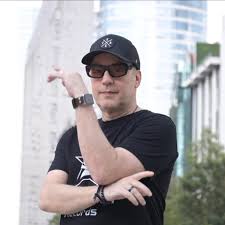
Kelly Reverb is a DJ, producer, and founder of Lone Star Records — the Dallas-based independent label that became one of the most recognisable brands in the American breakbeat and house scene of the late 90s and early 2000s. Shaped by Go Go Mike's rotary mixer sets at the Starck Club and years behind the counter at the legendary Bill's Records, Kelly made his first record in 1995 with Rob Vaughn — Southside Reverb — and never stopped. His catalogue includes the landmark "F* You, We're From Texas" white label, the house anthem Fine Ladies Only (5,000–10,000 copies sold independently), a sync placement in the Wesley Snipes film Blade, and twelve Lone Star releases built on the label's iconic red, white, and blue Texas branding.
After the vinyl era collapsed under the MP3, Kelly stepped back — but after getting sober in 2020, he relaunched Lone Star and is now producing the best work of his career alongside co-writer Chad Lamont. He also hosts This Pink Cloud, a nonprofit podcast on recovery and mental health in the service and entertainment industries. Kelly Reverb is not done.
Lone Star Records, Dallas Breakbeat & the Second Act
Introduction — First Video Episode
All right, I am welcoming Kelly Reverb of Lone Star Records along with many other releases and outlets to the podcast today.
How are you, man?
doing great. I'm doing great. It's great to see you in person after some 30 years of playing your music, being aware of you and getting in touch last year.
30 years.
Very kind and generous to offer your time and tips. So it's been a pleasure getting to know you over this past year.
Yeah!
Made in voyage, so to speak, of the podcast with the members.
Yeah.
The first one in video. So this podcast is going to be an evolution for everyone watching or listening. This is the fourth guest. And you are in honored company in my mind. So pleasure to have you on board.
Nice. Well, thank you for
me. I appreciate it.
Absolutely. OK. We're going to dive right in. And for anyone new, and everyone is new at this point, this is really about my passion for music and what really interests me and how I got into DJing. And I have the same questions of other DJs and producers of what has your music journey been like throughout your career?
Okay.
So I'm going to start way, back though. What was music like for you growing up? What were you listening to as a kid, like in the car with your or home? yeah, the old family road trip. What was playing on the
yeah, the the old family road trip on the what was playing on the eight
You're probably in the age range where eight tracks might have been a present.
Growing Up: 8-Track Buick & a Musical Dad
Oh yeah. Oh yeah, sure. In the 1978 Buick La Sabre. Yeah, so growing up, dad, my dad was always a musical guy actually played, you know, multiple instruments, guitar, piano, upright bass, and banjo. So
Very musical household. know, God, dude, look what was coming out back then, like, you know, Grease and stuff like
great. Grease in my household, Neil Diamond, Kenny Rogers. Abba You know, yeah
I had an older sister. and she was somewhat cool at the time.
how many years how much older? Okay. Yeah, my brother was five and a half years years
you kind of got the, this is cool, you know, hand me downs, but you
well that that yeah that that happened and you know in the 80s, know, can actually I don't credit my brother for for a ton of things but one of them was
He, he, cause I caught the music bug more than he did, but in his, in his teen years, he, he kind of introduced me to new wave. So that was, kind of thank him for
Heavy Metal, Depeche Mode, Prince & the Road to Acid House
Sure. Well, and you know, my sister, God, she tries to take credit for Kiss, you know, and I'm like, dude, Kiss was universal, man. So, you know, that was that was kind of like, my cool music when I was growing up, you know, just like it was probably every kid's in the 70s. But then kind of I went from there. I mean, but, know, you have all this stuff like the Grease soundtrack, all that stuff.
going on. And then, you know, it started to like junior high started to migrate towards heavy metal, you know, so we all went through our heavy metal stage. But then all of sudden, you know, there's a band like, you know, like Depeche Mode, that's, you know, putting out People Are People. And then there's Prince doing, you know, the 1999 album. And so there's a lot of stuff and I'm not like, you know, I was going to metal shows, but
You know, I still had, I loved every kind of music. And you know, it is still to this day, I'm very open-ended on what I like and what I enjoy.
What was your, so if that was music was around you and for me, it was, you know, the first song I really remember where kind of there was a before and after. You know, like so there was a time when to me music was music. And that's when I heard Duran Duran Hungry Like The Wolf. That to me, and you know, I think that was still maybe pre-MTV, I guess. But for me, when I first heard that, I was just like, whoa, like what is this? Who are these guys? And so that was a real dividing line for me. Seminal moment. Yeah. And I know you started DJing early, so I'm curious. I'm curious, when did you kind of start having
Your you if you're going to metal shows that that definitely know, you're starting to go down some avenues
Yeah, dates me. But then, you know, all this stuff starts popping up. Like, I mean, got like Berlin pleasure victim album. And that's like where my sister kind of came in. So she had that. And then her boyfriend at the time was kind of a cool guy. And, you know, like that's where all of sudden OMD came in and all this new wave synth pop. But, you know, I mean, I grew up in the 70s.
as a disco kid with that as my soundtrack. So, you know, kind of marry the two and you you start, you hear this thing called acid house and house music and then you're like, oh my God,
God. So when OK, so but that's that's that again, that's probably kind of a bit of a dividing line, I guess, when you start, you know, getting into the more
little less poppy, little more, you know, a clubby, I guess. so, and I know you started DJing pretty early. Like, so what, what was, what was that path to you where you started going from, you know, just being a music, you know, listener to getting DJing, you know, how did that come up for you?
Bill's Records & the DMC Video That Started Everything
so it was like probably like around, God, like 86. When I, you know, like when it kind of came, DJing came on my radar, I worked at a record store called Bill's Records, which was kind of world famous. Obviously he passed away, but fantastic store, fantastic environment to grow up in. And, you know,
I guess, you know, maybe I saw like a DMC video or something like that. And then I was like, holy crap, man, look at all this stuff. And then, you know, I started like, I guess I had a friend that would DJ. And then I was like, cool. So I could take all this music that I love and play it to people or play it in front of people and get paid for it and get free drinks. You know, it was a win
the way around.
Do you remember your first gig I mean was it house house party and you know bedroom DJing
First Gig: Hard Rock Café Dallas, 1987
I did. I, I, well, so it was like, I think I did a couple of, a couple of parties on the, you know, on somebody's kitchen table. But then like my first gig was 87 and it was at the hard rock here in Dallas, the hard rock cafe. When that was, that was by the way, kids, that was a cool thing back then. But it was weird. It was so like open format because I would be playing like Rolling Stones and then I would pay play like Public Enemy and then I would go into like
Eddie, Acid Thunder. And I mean it was it was all over the place.
That sounds a little like my, my, uh, my first year DJing was, was in college in 92. So it was a little like that. was like a little alternative, a little Depeche Mode, know, LL Cool J, whatever, you know? So how did you make that jump though? You know, like I literally had to go and just apply, you know, and thankfully I was, I had enough of, you know, hey, I'm here. I really want to do this. I can do this. And they said, great, come on in and give it a shot. How did you go from shopping at record stores to DJing it at
so yeah, that's like my friend had a gig there and he was really good. Like it was like when he would take records and mix them, was like, wow, dude, I want to do that. You know? And so I basically, you know, just kind of became a crony and would hang around him every weekend. And then like when you're there enough, you want to play, you know, that kind of thing. And then I was like, yeah, dude, I'm in. And then. Oh yeah, yeah, yeah. He was like, well, you want know, would be like the end of the night or something like that. And I'd be like, you know, sitting there like, Hey, what's going on? And then he got, all right, cool. You want to play on? And, uh, so, uh, you know, and then, and eventually I just was around enough. And then it came to one night he had something else to do. And you
Hey, you want to fill in?
you want to fill in. so that to did you have like I grew up and I wouldn't say it was a very musical household. I probably have everybody in my house probably had the music bug. However, and this is and it's strange and, know, in my own path. Um, you know, when I did career day in high school, was at an after radio station. And I was convinced that that was going to be my career was going to be, you know, you're listening to cube FM 93.3, you know, I thought that I thought that was going to be my future. Um, interesting all these years later, I'm like, putting the breadcrumbs together. I'm like, you Oh, telling, telling stories with music.
So for you, you also like playing instruments? You you mentioned your father played a bunch of instruments.
Profiles Club & Learning to Play Cool
I actually in, in, what was it? Symphonic band. so like in junior high, I actually played the trumpet and, was actually pretty good because I was basically in the advanced, the symphonic band when I started. So that was like the, highest band, you know, there was concert band then symphonic was, you know, so, you know, I mean, I had some kind of inbred musicality in me, but today I, I know where middle C is on a piano. That's about all I
for you. You know?
Well, in electronic music, guess, thankfully, that's not necessarily a huge impediment. Right. And then with the trumpet, like I got braces and then that messed up the embouchure. And then was like, and then, you know, it went to.
Right. And then with the trumpet, like I got braces and then that messed up the embouchure. yeah. So, so, and then I was like, and then, you know, it went to, okay, the next step from that is marching band. And I'm like, yeah, nerd fest. I'm out.
Okay, the next step from that is marching band. And I'm like, yeah, nerd band. So maybe your braces actually like have a director in or director or indirect maybe both helping guiding you. so, okay, so when you started DJing, did you were you already building up?
Well, so I started really and getting into records about 86, 85. Um, and that was when I was working at Bill's, but then I would also be going to, had a store called sound warehouse here. Um, which is probably like peaches on the West coast or whatever. Um, but I would go there every week, you know, and I'm like, okay, cool. I already have all that, you know,
and I mean, I really got, you know, like all the alternative stuff really turned me on. But then at that same time, when all the alternative stuff was coming out, there were bands like Kraftwerk and, you know, music non-stops coming out. And I'm just like, this is so cool. And you can mix it with the hip hop. And then I can play, you know, I can play this disco song with that. And it all makes
you know?
sense. I still remember sitting back with records, looking at the sleeves, one of my favorite things to do all time in this world. I can't remember. I think I might have missed her mix a lot, Seattle Hero. And I think in his, his, yes, swass and in his credits, he particularly thanked Kraftwerk and Gary Newman. And, and I still, and to me, so like I, you know, rap was relatively, relatively new, know, Beastie Boys run DMC, Public Enemy, all those were big. But I didn't have the breadth of knowledge. And so to me, I hadn't made that connection yet with where hip hop really came from, you know, musically.
And so that to me was a real eye opener was like, okay. A lot of these hip hop guys, know, they love craft work and they love some, yeah, some of that, that, know, early electronic
yeah, for sure. Yeah. And I mean, Gary Newman, like if you listen to his past stuff and he's actually doing really good current stuff right now. but he's finally found his niche. the, the goth crowd is his crowd and he, there was no goth crowd back then. It's so funny how like, okay, cool. Like goth and like, you know, more progressive house stuff.
There's a scene for that now, you know, which when I started, there wasn't, you just played all of it together and you but now there's, there's, they have costumes for it and everything, you
Yeah, feel like, yeah, I feel like Gary Newman. And it's funny because I actually have a video of his that was his retirement tour from from like 1988. And he's still going to this day. Yeah, I feel like to a certain extent, like with Gary Newman, you know, I can see like where Nine Inch Nails probably got a little influence from people like Gary Newman and then.
As his years went by, I think it went in the reverse. And then Gary Newman might got a little influence from the Nine Inch Nails kind of crowd. So as you were diving in, you're buying records, and you mentioned earlier you were playing kind of open format. were kind of all over. Was there anything you were listening to? For me,
you know, it happened a little bit later. I started DJing one year at college and then there was a seven year gap. And then what, really kicked it off for me was, you know, having a deep abiding love for big beat and fat boy slim at the time. And then also like Sasha Digweed, was there any, you know, like, Sasha's global underground Ibiza was, you know, burnt burned in my brain as like, dissect, I dissected that thing, you know, like, where is he mixing in? How is he doing this? You know, how's he making it?
Right. Well, for me, I basically grew up in a record store. So I got the front row and I had all those influences. But I was loving all the acid house when it was happening. And that was late 80s that that was happening, like D-Mob and all that stuff. And so then I start migrating towards that music. But there was a guy
Go Go Mike at the Starck Club — The Rotary Mixer Mentor
place called the start club, which I'm sure you've heard of. it was kind of like Dallas's studio 54 and there were two errors of it. There was the ecstasy was legal era. And then there was, there was the after and they had this guy, go go. Mike was his name, Mike De Priest and possibly the greatest DJ ever. but he was using the Yuri mixer. the rotary mixer and mixing, but he would hang his mixes for like a minute. And I was just like, that's just incredible. Like, I mean, I was just like, how does that happen? And then, you know, I mean, things that you love, then you migrate towards. And I was just like, you know, start being a satellite dude and just hanging around him and
watching him every night. Yeah. Yeah. Yeah. And then I was like, where do you get your records? And I was like, cool. I'm going to get my records from You know, that whole thing. So that's what inspired. mean, you know, I mean, obviously I loved the whole counterculture, the underground movement of of house music, acid house. And then from there, just seeing that and having that as a resource in my life was just like, you know, basically like watching a rock star, you know, like
Right. So so as you're starting to DJ and I'm assuming getting more gigs and so as you're starting to kind of build build on your DJing, what what was the you know, are there any moments you remember in particular or you know, were you you know, for me, I kind of had a bar that I had set. you know, whether it was playing, you know, just playing at my bedroom or playing out where I said, I want to be like this good, you know, before I really consider myself serious about it. And I think it was about a year, you know, when I started playing out and we just get my buddy and my DJ MB, we just kind of started off. We got a residency for once a month. And so that kind of was was a big part of my, you know,
Upping my game. so for you, I know, you know, not to jump ahead to like the, the nineties and the rave scene, but what was your, what was your kind of jumps, you know,
so yeah, funny that you say that because, you know, the hard rock was open format. And then the next gig after that was a spot called profiles. And that was kind of a bougie club. But, you know, I would get all the cool new wave in, but still, you know, have to play some, you know, bullshit that I didn't want to. But I mean, it was, I mean, for overall, the night was pretty cool, but it was like, you know, going from soul to soul. You know, all the way to, you know, hitting some disco and getting that was when remix services were the big thing. You know, like
Deciding to Produce: The Hardkiss Brothers Did the Math
get the mix it or whatever. Yeah. Razor made all of that good stuff. but really the seminal jump for me was, you know, realizing that I didn't want to play. wanted to play cool guy stuff,
Yeah, so and I wound up getting a gig at a place called Lizard Lounge here in Dallas. And Lizard Lounge is a world famous club, which has now closed because of COVID. But now it is it'll do and it'll do I call it'll do is Lizard Lounge Jr. Because it's the same staff, same, you good vibe and everything. But so I got a gig at Lizard Lounge. And that was where, okay, cool. I can play all the good shit I want, you know?
And that was really the big tipping me.
for me. Did you, and did you, did you go to college or did you go from like, you know, were you able to start DJing as, as job, know? My college story is like, I went for one semester to local college. And then I realized that you didn't have to show up. Nobody cared. Except your parents.
that. at that time I was already making, you know, like probably $500 a week DJing. which was huge and I'm like college? Who needs that dude? And education? I'm good dude, let's go. know? Yeah. Yeah.
Yeah. All right. So you just went straight into it. then, so anything else on that path into the 90s? Where did you see, did you have a time in there? I mean, it sounds like maybe around that time then where you said, OK, I could do this for real. This is going to be, I'm not just doing this now, but I can see this as my
Right, well that, so that happened, I mean if you want to get into it is the production part. So I'm at like, I'm at Bill's and I'm sitting there reading an article about Hard Kiss Bros, you know, San Francisco, Katz, Scott, Robbie, and Gavin. So I'm sitting there reading about this and you know they're kind of the buzz at the record store and everybody's like blah blah blah.
Rob Vaughn, the First Session & the Birth of Southside Reverb
And I'm like, well, why are these guys, you know, making any noise? And I was like, well, man. So.
Yeah, put on Rain Cry and a good sound system and you'll, to this day, you'll know why. yeah, that's
and, so I basically, you know, that was my inspiration was like, okay, cool. That's where I did the math and we're like, okay, cool. So if you want to travel, if you want to be big, you produce records, you know? So I had that light bulb and there was a guy, who is probably one of Dallas is favorite DJs. Like he's the DJ's DJ, named
Rob Vaughn. I don't know if you've heard of that name, but he was like, you know, a favorite to a lot of local people here. Incredible mixing, incredible programming, all that stuff. But he was also, he had done a couple of production things. He had gear. And so I went to him and I was like, let's do a record. You know, that's, that's just how it went back
Who's got the gear? So that was like 94 ish. Cause I put out my first record in 95. So. Yeah.
So I mean, you had a lot of your early stuff going on like that was, you know, just I'm trying to think of ninety four,
I mean, the San Francisco scene is definitely going. Asset House is probably still is in effect.
Yeah, it's still kind of waning, but then there's all the stuff on Strictly Rhythms coming out. You know, I mean, it gets a little blurry
then because it wasn't quite. It started like, yeah, so that's the whole when, you know, the ice record. yeah,
Breaks are probably start, you kind of... Yeah. Bass bend twins and some others, yeah.
Like, Burr Go Go came out, you know, that for Icy. Like, I mean, that was the breaks record. Like when it first came out, was like, shit, dude. You know? So yeah, I have funny stories about Icy, man. But he, cause I was friends with these guys, Mike and Charlie that are out of Florida. I, yeah,
And Mike, they, Mike tells her, Charlie tells me the story of him going to see Icy for the first time in Orlando, right? And Icy goes up and sets up this like little license plate.
in front of him that's like a vanity plate that says I see you know, and he sits it up in front of him and they're just like laughing at him. It's like, who's this ass clown with the license plate? So
but then he starts playing and then they're like, holy fuck, dude, you know, this guy's got going on because I'm sure he probably had. that, Encyclopedia, Functanica, all that stuff already in the can.
So he was probably playing all that stuff. And then they're like, holy shit, we need to become friends with this guy. And between that and all the house music going on and with Rob, yeah, I started in 95 because I was like, that's my ticket out of Dallas.
So OK. So side side question on that, then. So were you When you say like, take it out of Dallas, did you mean like, figuratively, like on the DJ side that would allow you to kind of travel around? mean, or were you also looking to just kind of like, Hey, I want to explore more, I want to move out and move away from Dallas.
Well, no, because I mean, there were going on back then. God, the party. I mean, like plus eight, dude, like plus eight was blowing up, you know, plus eight, right? Oh, plus eight. It's like, God, dude, like Kenny, Kenny Larkin. Man, all these old school cats. Yeah, but plus eight. Look it up. It's Richie Houghton, Plastic Man. came from plus eight. So
they're all like these early nineties raves are happening. And I'm like, well, you know, all of these guys that are coming in out of town, the reason why they want to see them is because of their record, their production work. And, and so, you know, I mean, that was really what I wanted to do. My aspirations at the time were like, Hey, you know, this is cool. but let's take it on the road, you know?
Paid vacation, you know, and I always, I'm a very adventurous type person and I wanna experience, you know, everything at least once, except for heroin.
I've got, I've got the memo, I got the memo on heroin and meth. So yeah. Yeah.
Yeah. Good memos to have. So so did you I mean at what point did you have like representation or at what point what point you know what point did you kind of go from or were you just kind of still doing it you know DIY were you still figuring this out but you were building connections you were building network you know how how does one how does one bust out of Dallas in that regard?
The Name: Kelly Reverb (and Why Partridge Had to Go)
Like the first record that Rob and I did was South Side Reverb because my friend who did Edge Club here in Dallas, Merritt, we were, you know, whatever, after a DJ gig one night, and he was like, I was like, dude, I need like a DJ name. And, you know, because the real last name is Partridge for the record.
And, that going to fly back then because, know, Hey, exactly. So I wanted to distance myself from there, you know, cause like it was, I grew up with the, where's your bus, man, you know, that, that whole thing. And then also part, partridge in a pear tree, blah, blah, blah. So I was like, I
a better stage name. And my friend Merritt just randomly goes, Hey, yeah. Like, how about like Kelly reverb or something like that? And I was like, you're right, dude. And I was like, yeah. And I liked it. And then I was like, okay, cool. Well, the hard kiss brothers, Scott and Robbie and Gavin, hard kiss bros. Okay, cool. So I'm like, well, let's do Kelly reverb, Southside reverb. You know, so that was the first record that we put out, Rob and I put out. And from that record, literally.
First Record on Bill's Records — A&R Pressing Plant, Dallas
You know, I would get, I was getting calls because it had, we put it out on Bill's records, which was, you know, the story, cause he was always down to support, you know, the local scene. And I literally got the records pressed at A &R records, which was in Dallas, which is a famous pressing plant, from the nineties, like Yoshi Toshi, Deep Dish, you know, all those records were, and I see records, all that was being manufactured here in Dallas. So it was funny, like, you know, but anyway, I don't know if you had any filler questions or.
No, yeah, mean, it's just interesting. just I guess so from that. you're starting to sell records, you're starting to build a name for yourself and you're...
yeah. So, yeah. So basically, that, got like, I almost got signed to deconstruction back then, which was would have been a huge move, and it would have been game changing because of their reach overseas. But then somehow that didn't go through. And then it almost got licensed to a movie, a Mark Wahlberg movie. But then
They decided to go a different direction with the soundtrack. So then it didn't make it. But at that time, then I'm like, okay, cool. Well,
Getting Booked Off the Record Store Phone Number
I started getting calls of, you know, like up at the store, dude, people going, Hey dude, yeah, I just want to say, I like your record and you want to come play out in Florida. All
Okay. Cool. Yeah. Yeah. It has the record store number on there. Yeah. Exactly. It was hilarious because then I would have people like
later on, as I put a few out, I'd have people that would call up and go, I love your record and then hang out. I was just like, I'm cool, man. Yeah, exactly. Like, would put like, literally, I'd put my home phone number on my records, dude. And just, you know, leave a message on my answering machine. I think.
That's hilarious. So like your mom and dad are answering fielding calls?
No, actually I had moved out by that time. So yeah. But yeah, I was like about 25 when I started producing. But so yeah, that record came out and then I was like, okay, cool. Let's do remixes. And I've always been like that kind of guy that wants to celebrate his community. So I had all the cats that were producing
"F* You, We're From Texas" White Label
do remixes and I put it out as a white label. And I named it, fuck you, we're from Texas. And it's a white label that's hand stamped that and that sold out, dude. And that was like a big buzz. And people were like, who is this? You know, it's like, and then of course me being the businessman, then I'm like, well, I need to make that a double pack
and put a bonus track on there. You know, cause I mean, I'm a record collector too, but I gotta have it all.
a record collector too. Yeah, I was going to say for all the collectors, was, you yeah, I had to go to the record store in Seattle to get the, oh, you know, whatever, Depeche Mode's got their Japanese. Yeah, here's the Japanese pressing. I have to buy both singles because there's extra remixes and B-side tracks that I have to Yeah, yeah, yeah.
Right. it's on this kind of vinyl. Yeah. On the marble vinyl. Right. And a bonus track. Yeah, of course. So I, yeah, I kind of learned that from
in a record store. And then, so I put out the double pack and then, and then I think Rob and I had started to work on a track, which later became Here We Go.
And some people might know that one. but I was like, you know, okay, cool. So let's, you know, do our, our second or third release or whatever. But then that's when ESP
son called a guy named John Trepp. Shout out, John, called me from New York because they had just purchased ESP son from Holland and brought it over to the U S. And he was like, Hey, I'm looking for artists. You want to do it? And I was like, Rob, you want to do it? And he was like, yeah, let's do it. And so we started to do that. And we had made, here we go and put that out with them as a single. and it did really well. It was huge, like a huge breakbeat track. And then I had also done a bonus beat on there called use your tool, which was nothing
Almost Deconstruction, Almost a Mark Wahlberg Movie
but a three and a half minute drum roll. It just crescendos. And it's Maceo Plex. I'm sure you know who that is, but he's from Dallas. So he, he still plays that record today. Like it was like, that's 2017 in Paris. And I'm like, that's my track, dude. So people would do that and like take, take that. It became this weird. cult record where people would take it and just rock two copies of it, you know, back and forth. Like I heard Junior Vasquez was doing that at like wherever in New York for like 20 minutes. And you know, people were exing their tits off to a 20 minute drum roll.
Yeah. So, but I basically took all the samples from that song and just said, dude, I want this shit to sound like a helicopter's landing at the club. You know? So. Yeah.
Right, right, right. Yeah, that sounds amazing. So was that at what point did you start up Lone Star Records?
Well, okay. So after that, then they signed us to the full deal for the South side reverb. Rob ended up, you know, not to air his dirty laundry, but he had a, let's say a fun choice for a wife. He, had a type. Let's just say, let's just say that and, producing records with your buddies was not conducive to what was happening. So he had moved on, but then me and this other guy Chad Littlepage because he was the other guy that had the gear at the studio and so basically they had signed us to a full deal and I started working with him but then wasn't able to finish all the tracks
Southside Reverb Album — Roadrunner Records, 1998
so I started working with king-size Scotty Mars and then we got the complete album done with Southside Reverb
Yeah, and then Yeah, with the cowboy hat.
well look, dude, and it's a gas powered lawnmower. Or a gas powered turntable. Yeah. So it was, it was definitely, you know, all the inspirations together, but so that actually had, you know, we got a, a song license to the movie blade
"Go Get On It" in the Movie Blade
from there. Yeah. So go get on it is in the movie blade with Wesley types. Yes. That blade. Yeah.
Oh, that's huge. That's huge. So Go Get On It is in the movie Blade. Oh, yeah. So OK, so and going back to a comment you made in one of your podcasts that I related to, which is that
talking about, I'm actually kind of lazy, I've done a fair amount of accomplishments. So this doesn't sound like somebody who's lazy to me. And I'm just curious because, of my own path, which is I'm quite proud of it. It took me a lot of weird stops and starts. And I didn't truly start DJing till I was 29, all this stuff. But I never would have thought I'd been able to do some of the things I've done.
So for you, you're kind of, right, college wasn't for you, you see a way of making a living, you see that producing is kind of the way to go forward. But you're talking about a lot of things, actually putting out records. did you have, what was, and maybe the infrastructure was just you and some buddies, but what was your infrastructure that you're kind of, like selling, I don't know how many copies of that white label that you sold, but I mean.
doing like, like a couple of thousand because I already knew working at the store, I have the relationship with all the distributors because I'm buying records from them.
Well, so that was the is you would just drop ship from A &R because that's where all the records, you know, a lot of the records are coming from regardless, you know, anyways. And so that, yeah, so we, yeah, to, to answer your question, it was all just kind of fell into place. And as far as me being lazy, I see, I compare myself to people that are like,
machines that you know like because I see was a machine for a while Yeah. So, but, but back when I was doing it, I would do, I was the guy that would do just enough to get by, just enough to travel, but you know, never,
but never enough to really go super stratus, you know, I'm just like, I'm just going to lay back in the cut and rest on my laurels and just do enough to travel, you know? And I like, I, mean, it was all, it was all gravy to me.
anyways, because I mean, I you know, I got to do that off for God like 15 years off with some records that I had fun making.
Did you ever really have other jobs during any of that stretch? You know, even on the way, kind of your way up?
well, there was like, yeah, like I said, there was like a 15 year period where I was either, I had residencies here. I would have my cool guy residency, like lizard lounge Friday night, fly out Saturday. And then I started at another club called red jacket here. but I had always kind of had like some kind of, okay, if I'm in town, I got my cool guy gig. if I'm not peace out, you know, I'm on the road.
So and it was cool.
well, well, I think about, you know, and in Seattle, I think about, you know, I didn't really start. getting I was aware of the club scene in the 90s, but I was I definitely was not cool enough yet. I was I was like the suburbs guy who like some of the names you mentioned, like ADC or something. I remember I remember seeing some of those 12 inches or CDs or whatever. And I was like, I wonder what that seems like. You know, but I didn't I didn't have friends who went clubbing, but I was highly interested in it. And, you know, for me, like Donald Glaude,
You know, he was funny because he was he was one of the first DJ producers where I was aware of him, you know, and he was, you know, he was a local hero, but he didn't really bother. Nice. But he he didn't really play in Seattle that much, right, because, you know, he was he was getting to travel. So that was kind of my you know,
for Donald and guys like Dan, it wasn't so much their production. It was just like DJ Dan was an incredible or and still is an incredible DJ, just technically proficient. Donald Glaude is this fucking huge black dude with dreads that fucking goes ape shit. And, you
it it. Yeah, and it's just insane. It's like a spectacle, you know? And so those guys, mean, besides the Electroliner record that Dan did, I really just knew those guys from being DJs, you know, and just always hearing their name.
Yeah. And Dan had a very quick ascent, you know, once he started DJing also, you know. think Dan might have come from, and correct me if I'm wrong, but the mixtapes. Yeah. Yeah. The mixtapes really helped him propel his career. Yeah.
That wasn't what he came up with. It just kind of happened because he was doing the mix stage. OK, so so so I guess, know, so I guess we're we're we're into your I know. was going to say about the after the ESP son is I started Lone Star. OK, so so what what year is that? How old are
Launching Lone Star Records
He would have gone by fish. Well, I was going to say about the after the ESP sun is when I started Lone Star.
was well, so we had wrapped the album album came out in 98 album actually came out on the parent company was road runner, which if this album would have been on moon, that album I showed you earlier would have been on moonshine. It would have been, you know, insane, but road runner is selling type O negative CDs and they're basically a metal label. So when this lands on
whoever that their desk is and it has no, and those things you don't think about, but there's no marketing money in, the contract. So then it's like, take two copies, whatever, you know, next dude, but here's this new typo negative record and you know, take a hundred. So, it was kind of like one of those things where the vinyl did great and
You know, had this cult following, but then when it came to the CD, there was no, you know, marketing behind it. But
regardless, after that, I start seeing, you know, well, I'm just going to start putting out my own stuff because a, I don't have to okay it with anybody. And B it was when you could actually make money off of your records, but then also your records were your calling card because. That was your marketing back then. yeah, you got that Kelly Reverb record. And
everybody always goes, yeah, Red, and Blue, yeah, Star, you know? Yeah, yeah, exactly.
I was just going to say the red, white, and blue. I mentioned I'm DJ MB, kind of my mentor and best friend. I would ask him, because I was a real train spotter at that time. So I would sit there and go, who produced this? Who's on the remix? What label is it? And he would just go, it's a. You know, it's a black label with white writing and a ninja and ninja and yellow. You know, like that's how he knew all his. And that was one of the, you know, one of the reasons when I reached out to you last year, I was going through old records for a very rare, you know, vinyl vinyl only gig and.
And I don't remember exactly what it looks like, but just your, your label was one of those ones where it's just like, yeah, it's like, yeah, you know, Texas flag or whatever, you know, it's, yeah, yeah. It was, so it a hell, was a hell of a job landing on that.
Yeah. And it's called it's branding. Yeah. I noticed.
I appreciate that. but yeah. So then I just wanted to do, you know, do my own thing. And the thing is, is like, the break scene was cool for awhile, but I was playing like, you know, breaks and house and you could play it all in one night and it was okay. But then, you know, it's well, so I launched Lone Star, did that, and I was putting out house records, but it was like everybody wanted to hear the break records. Everybody wanted to hear Southside. you're you're this, you know? And I'm like, no, I'm not, dude. So I put out,
Fine Ladies Only — 5–10k Independent Copies
You know, song called Fine Ladies Only. A remix of which I played last year. Nice.
Well, and I put that out initially in around 99, 2000. And it did really well. Like I sold, you know, 5,000, 10,000 copies on my own. And when you're independent, dude, you're like, you know, hell yeah.
so I did that. And then of course, you got to out remixes too. but that's really, you know, that record it's funny cause
It's very compartmentalized. There's people that are like super fans of South Side Reverb. And then there's people that just know that record. Fine Ladies Only, yeah.
A hybrid?
almost in half, know, half of me was like, I could go down like Big Beat and Breaks and be 100 % satisfied. Or I could go down like the Sasha Digweed, you know, path and be totally satisfied. Or I could be like, who are these people like yourself or I don't know, maybe like meet Katie, you know, was, you know, meet Katie was a big one where it was a breakie. But also you could see, you could tell the house influence in there too, you know, that,
whatever you want to call it, four-four breaks, know, that kind of thing. So Fine Ladies Only is now considered Jack in the Jack in the House, okay. All right.
Yeah, well, so Fine Ladies Only was is now considered Jack in the house. Yeah, it's yeah, they make they make shit up, dude.
Yeah. Right. Yeah. I mean, to me, it was just Funky House, you know?
That was one of those reasons when I saw that Lone Star, I'm like, oh, you know, I, you know, whatever you want to call it, you know, it's, it's like being a bridge between genres or something, you know, like I call it filling in the map, you know, my music, my musical map. So there's like people like yourself. I'm like, we're so valuable. Cause I liked the song just on its own, but as a DJ, I'm like, oh, this is great. You know, if I want to transition to more house tracks, you know, use somebody like yourself to kind of bridge that. So,
House vs Breaks: The Hybrid Question
Well, I'm glad I could be that for you. But yeah, so, but then the thing happened and it was like, you know, it started getting really divided and I hated that. like, so if I went to Florida, I could only play, you know, booty breaks. It started to become that. And then that's when, when I started getting boxed in and people start expecting. and telling me basically without
telling me what to play, I'm out.
rather not do it. You know? Yeah, well, I mean, I still did open format because I got to pay the bills and paying the bills is better than being homeless.
That is something, just in conversations I've had with Satoshi Tomei and Elite Force and Steve Lawler have all talked about the difficulty in... You know, you're the DJ, people are paying to see you. there's, know, I think, you know, it's like being being the pilot, right? You know, the people on the plane want to know they're in good hands, you know? And so it's interesting to hear from those DJs to go, God, you know, like people know me from this. So Toshi talked about how he would like to actually just play more house, you know, but people he had that big progressive sound, you know.
give you an example like Josh Wink, dude, he higher state of consciousness. Don't laugh. Size nine. You know, he's known for these records, but yet when he plays, he still just does his thing. But he'll incorporate those in, you know, or a remix, updated remix of it or whatever.
But he was one of those that kind of got to do his own thing or was lucky enough or however he got to do it. You know, cause I mean, he kind of does some weird shit, dude, but he's also made these massive hits that people expect to hear every time he plays. So there's a curse. There's a, there's a blessing and a curse to being known for a certain, like if you had a seminal, like a huge record, it's,
And the DJ before played early and it looked like a high school dance because he played breaks and it was just too early for everybody. So everybody's like hanging around the sides. And the crew I was with, they weren't really too familiar with Josh. And they called him the stealth DJ because he basically kind of hit the reset button. He started off playing, you know, kind of, I don't know, whatever you would want to call it at the time, kind of tech housey kind of stuff. And he, but he just slowly got everybody.
in, you know, and it's like in a half an hour in the dance floor is getting full an hour in it's going off. And I still remember asking him after his set, like, dude, what was that stuff you were playing? You know, and he's a he's like, Oh, I don't know, man. It's just like I just started I just started pulling from my collection. You know, I mean, it's like it wasn't there's some new tracks, but it's just, you know, I just played what he felt like in the moment, you
Well, and that's what that's I that's what I that's where the whole what the crowd expectation is and what you play like that's where, you know, it's a fine line, dude. I mean, you know, you are there like it's like if you go see, you know, the PESH mode, you're expecting to hear enjoy the silence and at which they're probably fucking completely sick of, you know, but you do it because the fans expect, or then you just become Morrissey and do a really lame show
and have people sitting down.
So what's your own take on that? Because I do know, I remember talking to Dylan Rimes, Marvin, and I made a comment something about, you know, I was used to say like Lee Coombs coming to San Francisco and
once he kind of got really acquainted and he has friends here. So he was very familiar with San Francisco. And over time, he's like, OK, now when I go to San Francisco or before Burning Man, I'm going to bring ammo that's kind of tailored to that. Marvin, on the other hand, went, I don't really play my own music. When I DJ, I'd rather just be a pure DJ and play other people's music. Where do you fall on that?
Well, now it's different. But back then, I would, you know, maybe throw a couple of tracks, whatever was big or hot at the time. I would throw those in, of course. But, you know, I was playing all the hot shit, like all the bangers, you know? Yeah. I mean, when I would play and, you know, I would. So.
Kind of like a little bit of both, but I wouldn't like, you know, go out of my way. And I won't go on today and play like Fine Ladies Only. Like, I mean, that's not my calling card like it was for, you know, whatever a five year period. But that record still works today, dude. If I play that, if I drop that in the middle of any set, still
The MP3 Arrives — Lone Star Stalls, Distributors Fold
the thing was, and there's a lot of fill in time there, but basically what had happened is, you know, Lone Star, I'm doing great. Everything's great. I'm on Lone Star. Hmm. Number 11, number 12. And then all of sudden this thing called the MP3 comes out and just fucks it up, dude. I mean, royally.
Cause a there's no more, Hey, tactile Kelly reverb, red, white and blue, you know, no more of that. That's gone. And MP3 there's a site called beat What the fuck is that? You know,
Yeah. What the fuck is that? Well, and not to mention Napster, Limewire.
Yeah. So, but you're just like, you know, what, what is that? And then how do you fucking market and MP3? How do you do it? You don't cause there wasn't a way, unless you were already huge, you were fucked. You were, you know, unless you're already Paul Oakenfold. Good luck, dude. Good luck making any noise because there's a thousand records out this week. And now.
the bar of $2,000 to produce your own record. That's gone. Anybody can
anything out and just flood the market. So there's no, there's no gate. There's
Hey, you have to make a good product in order for us to actually put this out because we need to sell this product. You know what I mean? So
Right. I mean, yeah. So how did you so I mean, how so how did you handle that? I mean, with the MP3. Yeah, I mean, just in general, mean, so I assume that you saw like your record sales. I mean, did they go off the cliff?
Well, I mean, it you know, everybody started panicking. Like, I mean, all the, you know, distributors were starting to close. I mean, these like gold chip watts, dude, in New York was, you know, I mean, and I mean, it started getting to the point where, you know, distributors were like, either sending back records or just. Piecing out, dude, you know, just like closing shop, we owe them X amount.
too bad later, you know, and, that's really how it went down. So then, you know, I tried to, I mean, I, you know, I had a little bit of a name, but there was no way to market it, you know, to anybody really at that time.
Well, I mean, I had very, you know, I wasn't able to, I wasn't the machine I am now as far as production. wasn't as proficient, let's say. so I couldn't just sit there and crap them out. So I could be at the top of the list every week, you know? So it's just like, you know, it starts to fade and then, you know, my relevancy starts to go,
Open Format Gigs, Alcohol & the Slow Decline
but I'm still big enough locally to where I can still play the cool guy gigs. And then the cool guy gigs start drying up and then it starts to become, you know, okay, open format gigs again, you know, so it gets to that level. And then of course, with that, which you know, and I'll share openly, basically, you know, one of the reasons I signed up to DJ was for the alcohol. You know, and, and the free alcohol and free drugs for that matter. so I signed up for that and then eventually
it became, you know, a party started to happen earlier and earlier, more more frequent. And then it becomes, you know, an issue where the temporary solution for your anxiety becomes the problem. So then, you know, basically I became a raging alcoholic. by about fast forward, you know, 2017, I'm struggling, dude, you know,
I mean, there's still okay gigs in far as far as open standard. mean, open format go. But, you know, I mean, I say every time you play the Cupid shuffle, dude, a little bit of your soul goes away with that, you know?
And so, and so, you know, I just basically finally went to rehab in 2020. And then I was like, you know, I didn't realize right during basically, yeah, during and it was a fantastic experience for me. And I went and, you know, it was on my own dime, had no insurance. I'm a DJ.
you know, and then basically, you know, out of there decided to give it a, you know, a ride as far as sobriety goes. And, the, the thing is, is like with me, I had had a long window of drinking, you know, 30 plus years. so it's not like I was missing anything, you know? I mean, it had been there, but I know what it does.
I know how it makes me feel. know how it, you inhibition. But I never lost my edge. I'm still same asshole I was, is what I think.
I wanted to ask you about this, your podcast, This Pink Cloud, recovery and mental health, being big part of that. when you were kind of on that stretch of DJing, did substances interfere? Was it mostly just drinking?
It was mostly just drinking and the drinker's companion for me of coca-ina. and I like to call it the drinker's companion because you, you drink and then do blows so you can drink more. That's how it went.
Yeah, exactly. It's a little balancing. You just need to be in. Yeah, it's like I just need to be. No, it's always I'm I'm always trying to just get there. That's what I always say. And it's like, you know, and then at some point, you're you're off switch gets broken. And, you know.
Right, right, right Right, Well, and I had it's funny because my on my own path on that you know, I started off from house parties and So, you know DJing in ebriated in whatever form on a house party not not so
Yeah, it was part of the gig.
Yeah, not such a big deal. You're just having fun with your buddies and friends. And I still remember a couple of occasions. I still remember one. was my, it might've been my first Breakfast of Champions actually. So this is, we just had our 25th anniversary. thank BoC, Space Cowboys represent. BoC. And so this, and this is the 15th anniversary of that. And
Let me tell you, I didn't intend to, but I was hired in a kite for that gig. And the gig went pretty well, as far as I can recall, technically and everything. You know, put the set out a couple of times where it was maybe kind of loose. But the part that really got me was actually just more on the vanity side, because I probably had five or six people after that set that came up to me said, dude,
great said congratulations, because they knew it was my first time playing for the Cowboys at BOC. But they all just mentioned, hey, your mouth, the chewing thing. You need a piece of gum. Yeah. I just, because when I'm concentrating, you don't know what you're doing with your mouth. And that wasn't the first time I heard that. I didn't fully listen to So were you xing your tits off, or what? Yeah, I did. Yeah. Yeah.
Well, I, whenever I Xed, I, dude, I couldn't spin. I, it's like, I was like a stunned, like, you know, like slow motion. Yeah.
Right, yeah. I would just want to stop DJing and join everybody on the floor. You know, just you on the floor, Right?
Cowboys had, we, you know, we had a big setup there with, I can't remember who else we were grouped with, Dusty Rhino maybe. Huge crowd on the street and I'm playing with DJ Shuey. shout out, shout out to Jenny, Shuey, one of the bigger space cowboy DJs. And we, we tagged team. She's a great, great breaks, DJ. And we're, we're DJing together and in my head, everything went super smooth. It was awesome. And at the end.
We're sitting there packing up our records and she just looks at me and she goes, Keith, I need to say this. I know you want to know this. You played the same song twice. Now, wasn't back. It wasn't back to back. But like 15 minutes in, I played it. then like a half hour later, I was like, yeah. And she goes, I don't even know if the crowd noticed, but just I noticed and I know I know you would want to know. And it was after it was after that. I'm like.
Like, okay, think I need to treat, you know, like even though I am in my, not, don't do, you know, I don't DJ in the productions that I have done, mostly with Rumble Monk. You know, we're not doing it for money. I'm doing it for passion. But I was just like, you know what? But in my head, I'm a professional and be professional.
Right. Well, I mean, at the end of the day, that's what I always say. Like if people ask me, know, like, you know, when they're, especially if they're just starting up or whatever, I'm, I'm like, I do it. I do it because I love it. I don't do it for, you know, approval. You know what I mean? I do it. I, I paint because I'm a painter and I love the craft and it's like, it's like therapy to me when I'm making a track.
I'm in the zone paying attention to all this little minutia that nobody would even think about that as actually listening to the song. But, you know, I love it. I love it. And I do it. And that was that was a part that I was missing for a long time when I went into because I basically quit producing by 2007 was maybe my last thing that I put out.
And I was just like, well, I can't make any noise. you know, there and, and by then it was Ableton and I was still analog basically. And I was going, I'm in reason. Okay. Cool. Reason's cool, but I don't, you know, there's not enough to it where I can sit there and tweak and make all these different noises and stuff like that.
So I was like, you know, I basically kind of walked away from it for a long time, but then I started hearing about Ableton and I buy Ableton, but I don't know how to drive on it. You know, and that's frustrating going from paint, painting your own masterpiece to, you know, being a toddler. We can't do anything. And so basically, you know, I went to rehab in 2020. Uh, and I was working on tracks, um, with the guy I co-write with, Lamans now. Uh, I, I, we do some work together currently, but him and I, he was in his active heroin addiction and I was, you know, trying not to black out on the decks
with alcohol. It's quite a partnership. Yeah, was in 2018. we put out some really shitty stuff, uh, and it's out there on Spotify.
But did that and then went to rehab, and then and basically, you know, quit the drinking four and a half years now. And if I can do it, anybody can.
nice dude, good for you man, I mean- Right. I think it's good just to do a reset health wise, especially when you get our age. Our age. It doesn't. Yeah, it doesn't make that it doesn't do that reset as fast as it used to.
Exactly. See, and that's the one that's one thing I don't miss is the hangover. mean, dude, I'm not like preaching to anybody. I had a fucking blast, dude. I had a blast drinking.
You mean like binging or or yeah, no, it became it became every day. It became, hey, let's not drink today. Let's not drink for 48 hours. And I couldn't make that bar. You know, it became Yeah Right. About the same time I was, dude. Yeah. Yeah. Right. Right.
It's like it is, look, it is a temporary solution. It's what I call it. yeah, it will get you out of your head and feeling good for a short window,
but you know, it's a treadmill, you know, it's like, well, I don't, it's like, okay, how do I not have a hangover? Well, let's have another one. So, you know, or let's wake up and have one. And that you don't, guess what? Your hangover goes away.
Moderation.
I'm going to moderate, but I'm moderating way more than you would call moderation over the span of a week. If a doctor said, okay, let's do your checkup. Okay, now how many drinks are you having a week? What number do I tell them that sounds reasonably healthy? How do I present this? I'm not an alcoholic, but yet I'm drinking like 30 drinks a week or something?
Right. My definition of moderation is yeah, yeah, yeah. How do I prevent? Yeah. Yeah. It's so funny how, but it's so funny. Even when I was an alcoholic, I was literally going, I would go to three different liquor stores. I would call it, you know, the Bermuda triangle. Cause I didn't want the people working there thinking I was an alcoholic. Yeah.
everybody. go to three different liquor stores. I saw the Bermuda Triangle. I didn't want the people Oh, yeah, you didn't want them to know you were drinking this much. And did you have, and it's not to put you on the spot, but I do kind of enjoy, I don't know that everyone can ask DJs this question, but did you have any DJ, slip ups or whatever, know, just like, whoa, what the hell's going on?
100%. So, you know, doing open format gigs, I basically started to pull a Kiyoki and black out on the decks. Yes. yeah. So literally I would get there and then I would, you know, do the pregame, which was all day. But I would just try to, you know, you just try to get there. You know, sometimes you overshoot it. You know.
But you know, I was just trying to do this and and mask my anxiety at the same time, because honestly, that's really kind of what started it all for me. Ninety five, I had my first panic attack in the Pittsburgh airport. Mr. Rogers neighborhood had
Pittsburgh Airport, 1995 — The Panic Attack That Started Everything
a panic attack. I played with Kimball Collins, as a matter of
Yeah. So, but yeah. So I'm walking in the airport. I'm whatever 25, 26, 27, thinking I'm having a heart attack. And at that time I was lying enough to where I could do first class and it's like bloody Mary time. So, okay, cool. I'll have one. Guess what? No more panic attacks. But the thing is it's the whole chase
the dragon thing, dude. You don't want to hang over. You know, but it's like you can only sustain for so long until you're dead
homeless or or both.
or homeless or... I think Fatboy Slam was the first DJ that I really became aware of drinking and mental health because I remember seeing him in 2000, seminal gig for me. It was one of the first DJs that I went to see. Really a banger of a show to go see. And I still remember him walking up and somebody's like carrying his, you know, bottle of vodka and a bottle of OJ. And I remember, you know, so years later when he, took I don't know, I think he took almost a year off close to a year off, you know, however many years back it was now. And he just said he he was at the point where kind of what you're saying, you know, that that he couldn't play without the booze, you know, and and after a however many years of doing that, all of a sudden, you can't really play with the booze, you can't really play without the booze, you know, and so he he had to take time off to kind of rewire his rewire it. Yeah, yeah.
Eddie Van Halen is a prime example, Yeah. Hey, one sec. So you're going to do an edit here because I got a P.
And we're back. OK, so I wanted to, I guess, just fill in the gaps a little bit there. between sobriety and maybe you could go a little bit further there too, because obviously the pandemic was really difficult on all kinds of people. Where are you today from being sober and getting into more mental health and recovery mindset? What was that like from 2020 onward till today?
Rehab 2020 & This Pink Cloud Podcast
Well, yeah, I I went to rehab and then right out of there, you know, my sister was doing a podcast or she had access to a studio and I was like, you know, and I was going to a few meetings, AA meetings, and I would hear these incredible stories there.
And I would like want to ask that person questions or give them direction. Like immediately go, what the fuck were you thinking, dude? You know? And, and then I was like, you know, I mean, I think being transparent with it
is great because since I've come out openly about it, you know, a lot of people have reached out to me. and, know, and my, my podcast is not, you know, like a narcissistic kind of reason. you know, it's more of a, Hey, you know, I can, maybe people can relate to me that have gone through it because people in the service industry, you know, I mean, a lot of people go through this, you know,
people in entertainment period.
people in the entertainment. Well, and it is a continuation of, you know, so much of the dance scene is about, you know, local, local scenes and community. So it is, it is kind of fitting. Uh, it's a continuation of where you are and sharing, sharing with your, who your community is now.
Which, which I love now. and that's the thing that helps like with sobriety. I can, you know, I can accomplish a lot more, you know, without drinking and the hangovers and perpetually being hung over. you know, I was a functioning alcoholic for years, but it's amazing how much more or, or how much better you can function without it. at least I can, you know?
Yeah. Yeah, I think in going back to the, you know, comment you made about the, kind of, you know, feeling lazy, I guess, I think alcohol was one of those things for me where You know, and this podcast is an example. I've had the idea for this to, you know, I got into, you know, I was listening to podcasts, you know, pretty early after they came out. And I remember listening to Mark Maron's WTF podcast. And I just thought, wow, this format, you know, he's a standup comedian who's working through some of his own personal demons. Kind of it's his own therapy. And he doesn't necessarily do a lot of research because he's just curious. And so he would.
he would get into these conversations. And I went, wow, I need to do one with music, you know, and because it's what I'm passionate about. And I wouldn't necessarily, I don't need to be an interviewer or a podcaster. I'm just naturally curious. Now that thought was at least 10 years ago, you know, and I think part of the reason why it took me so long was I had to work through my own issues, you know, and yes, I, you know,
I have a separate life of being in tech. So I can also say, yes, I'm busy, et cetera, et cetera. But I do think those evenings where cracking a bottle of wine instead of, hey, why don't I sit down and do some, right, yeah, big time time killer.
I mean, it's a great time killer. Yeah. Yeah. And a great, it really aids in your procrastination. Yes. It is fantastic in enabling that.
Yes, yes, yes Yeah and and and it's interesting being You know, I'm not being Not being a lush anymore. I find that you know, it gives me so much more energy and clarity on You know like hey Keith. What are what are you doing about these things that you've been talking about or you know, you're your dreams, hopes, aspirations, things you want to work on. now I'm kind of like, you know what? Instead of it being this thing that I'm avoiding and maybe fear of failure almost, mixed in with there, instead I can just take it as a, I mentioned to you chatting yesterday before this that, yeah, there's a lot of things I'm figuring out on the fly.
I the thing, another thing is, is like, I used to be absolutely mortified to do something like this. Like, my God, I'm being recorded, you know, or speak in front of a group. And the thing is, is once you lean in to that, and yeah, you're going to think you're fucking up or you might sound nervous for a little bit and people will pick up on that.
But most people are empathetic towards that, you know? But in your mind, the world's falling apart at that time. And now after you do it, it's like reps. It's like gym work. It's like DJing. It's just like, fuck it, dude. Like I'm, I'm good at this. I rock and, I have no, you know, like trepidations and being in front of there and the nerves go away,
Just naturally. And it's okay to be.
it's okay to be uncomfortable. It's part of life.
be uncomfortable. 100%, I would say, the first couple I did, this was only fourth. You're a pro. I mean, I guess I can say I, you know, hey, I am a podcaster, you know, because now now now this is the fourth one. But I did think about it very much. Yeah, I was a little, you know, a little nervous. then but as soon as I started getting into the conversation and just listening, being in the moment and all of a sudden like, this is like when you're DJing and you start getting in the flow, you know, you're you're just being present. You're you know, you got the feedback of, you know, audience of one.
But you know, what's that story that, I think that story is going to resonate and you don't make sure, make sure I, you know, follow up on this and, know, and that's, that's no different than going, this is the song I should play after this one. know,
Yeah. You can definitely make those correlations. but yeah. So like with, when, you know, we're talking about productivity and getting shit done. you know, I, I basically, you know, had started doing some decent stuff, you know, like Chad and I both sober started, you know, figuring some stuff out
Chad Lamont Gets Clean — Making Good Music Sober
and learning.
he got clean from sober I mean from heroin about the same time you're getting clean from boost
Yeah. funny thing was I went to rehab. He went to jail. yeah. So, and he went to jail and he'll openly talk about it, but he went to jail for possession and forgery. And so I was out and then I was like, I have no idea how to get ahold of him. was like, he's either, he's either dead or in jail. And I was right. He was in jail. Thank God. so, but yeah.
Yeah, well, I mean, the thing was, it's like, I mean, I've had people pass away in my life before. And it wasn't like we were super close, like chummy. I mean, we were friends, but I was just like, you know, he's a heroin user. So take that with a grain of salt. And and then so I and I remember I had his mom's email. So I emailed her one day and she was like, yeah, he's been trying to find your contact forever and blah, blah.
And so I sent her my number and then I get the call from jail. Hey, dude, what's going on, man? And I had put like I think I had released like a remix of our song, one of our songs on a streaming platform that he could get while he was incarcerated. And and then he was like, oh, yeah, dude. And then wanted me to cosign for his bond. And I was like, dude, are you fucking
me? Dude, you're a heroin user. But I just put it off on. Yeah, I don't know, dude. Let me, let me ask. And yeah. And I was just like, you know, 100 % no.
but so yeah, then he got out and then we kind of started putting what stuff, what I thought was good, you know, I thought was worthy of, could stand.
Yeah, yeah, yeah. mean, just like everything. But I mean, I knew how essentially drive from all my years of experience. know how a song should sound, you know, but there was just certain shortcuts that I didn't know that were frustrating. And I eventually learned those shortcuts. now, so basically, I, you know, I put out a record. Our first EP was on Mixa because we had a few tracks.
Relaunching Lone Star — The New Bar
But then I realized, Hey, they don't necessarily have a promotion plan. You know, I mean, they have a good footprint online and nice artwork, but I don't expect my tracks to blow up from my 30 homies. So I'm like, I'm like, dude, time to put the band back together. You know, let's relaunch Lone Star. I've already got a little cache with that name out there. and then let's.
Let's figure out how do you make any noise in here besides doing a great track. It's like, what do they say? The best music isn't always the most popular music. You know what I mean? So so it's kind of like it's kind of like that. So how can I get my stuff out there? And basically, I figured out there's now a service called in flight. which you can build your own promotional lists. There's companies that do that for you. And basically to me, that's the new bar. So, you know, back in the day you had this, Hey, $2,000. you know, the record better be good. Now it's like, I know my records good, so I'm going to put this money behind it. And, and what I want to do, is eventually.
build the brand,
Going Global: South America, Spain, Kiss FM Kiev
which is that guy right there. You know, but and that's what I want to do because this time around I want to go global and I want to I want to play in South America, man. I want to play overseas. I want to play everywhere that I didn't get to because I mean, I played all the US and Canada and I would love to do that again. But I also want to, like I said, it goes back to I want to experience the world. I want to go and check out the rest of the world while I can
walk. You know? Yeah.
Right. Right. Well, having having had the opportunity, you know, I haven't got to play in a ton of places, but I got that I got the chance twice to have a one week residency in Brazil. And that was amazing.
Well, and that's what's cool now
mean, people still do genre specific. Like if you go to see Hugo, you expect a certain sound, right? but now I can have like an Afro record. and this is literally true. That's doing really well in South America, Spain and all that stuff. But then Chad and I have this song called government.
which is one of my faves, but, and that and all of our, like a lot of our covers, like the Depeche Mode covers are getting actual airplay in Kiev, Ukraine. So it's like, we're getting played on Kiss FM in Kiev, Ukraine, which I love because, Hey, I can go over here and be Batman and then be
the Mambo King, you know, and I love it all and I want to do that. You know.
Right. You know, and I love it all and I want to do that. Right. So so so in particular, I guess, you know, so kind of rolling with the punches, I guess, and the digital digital distribution streaming streaming, guess mostly is where where that's coming from then for you.
Well, I mean, really it's, it's the same concept that I've always had. It's the DJ that makes the DJ. You know what I mean? So if you can get that promo into the right hands or enough hands, then you, and you build a fan base, you know, you build an audience and that's, that's kind of the goal if you're doing it for business. But like I said, I do it cause I love it first.
But now if I'm looking at it in a clear mind. And be a business standpoint, then yes, I have goals. You know what I mean?
Right. Yeah, absolutely. Well, I've had my own version of that. I called it the long tail. you know, when I moved to San Francisco, I'm like, wow, there's a lot of good music here. There's a lot of good DJs. And, know, I personally think I could rate myself, you know, quite well amongst a lot of them, you know, but, but you still need, you know, you have to get your name out. People have to get to know you. And I'm like, you know what?
said, I had a song, I can't remember who the artist was now, but he talked about, he's like, I'm the number one mixtape champion. And I thought, that's who I need to be. I need to be the guy that's like, you know, and for me, that, you know, I figured out the branding with, you know, two lines of mixes, my definition of chill and party people. And I'm like, one's for the clubs, one's for the, you know, back home on the couch, you know, and
You know, that helped me, you know, you know, so even though I'm not touring or, know, the songs I do put out with, you know, usually with a co-producer, well, always with a co-producer, you know, they're not getting wide, wide listens per se, but that just being being present here, having my name out, having my mixes go out, you know, I still get that years later. You know, I kind of jokingly call it the semi famous local DJ level.
And that's not a bad place to be in the DJ
is a big thing and space cowboy makes some noise, you know, and has brand recognition and you're a key part of that. So, I mean, that's huge, dude. I mean, you've built something that's successful and without you, it, you know, wouldn't be it is.
what it is. Absolutely. So, let me ask you a question, and we'll kind of get close to landing the plane here. So, your podcast and what you do associated with This Pink Cloud, where...
Where do you see, so where you are currently with music and podcasting, where do you see that kind of, so for you, for your future. So, I mean, you obviously just said kind of on the music part. I assume that podcasting and kind of that wanting to share your stories about recovery and mental health, I assume will remain part of that, right?
Right. So with the podcast, it's actually a nonprofit. So I've done all the hard work of the five, and see three, you know, and all that stuff. And basically, what I would like to do is, start doing grant writing and actually, cause I mean, right now I just do, I have the worst business plan ever produced DJ
podcasts. I'm like, that's solid, dude. The 401k is great. Yeah.
Right. It's like, I want to be a basketball player. Good luck. But so.
but I mean, so I want to actually treat it like a business, which I wouldn't have done if I was still drinking. I wouldn't have the podcast and wouldn't be have the subject matter to talk about. But I want to, you know, actually secure grants. So I actually have income coming from there and use those assets to build the word, build the podcast to ultimately spread the word. And if I get paid at the same time, I won't complain.
And then the same with DJing. mean, I mean, dude, I'm always like, you know, pipe dream, dude, like, you know, it's just like, but the thing is, is as long as you have the passion behind it, then it's a win to me because I'm, you know, it might not financially look good right now, but to me, I'm, I'm putting, you know,
what I would consider almost maximum effort into building these things, which could someday a help somebody and B, you know, blow me up because my aspirations for DJing. want to be able to play groove cruise and then I want to be able to headline in space, you know? So that's kind of like, and that's how I've always been. I, I love just playing this or I love like just playing this and and I can do it. There's no reason why you can't because you know, I mean, there's lots of people. mean, shit, John Summit, once the name blows up, then he could drop a drum and bass track and oh my God, you hear You know, I mean, once you're a brand, dude, you know, you can do whatever you want. And that's what I'm in the process of doing currently, so. Yeah.
Right right right well Right Anything else that you would like to plug, promote, or bring up?
Plugs: Beatport, This Pink Cloud
mean, other than, know, I mean, if you're a DJ, obviously follow me on beatport, you know, so you'll get the, what you would call it, the, notifications. if you want to check out a funny podcast about recovery, you can go to this pink cloud, this pink cloud.com. And I stress this because the was taken like we were talking about. If you go to this pink cloud.com.
That will take you to the YouTube channel. We're also on Spotify. Follow, like, comment, which is all the mumbo jumbo you hear. And other than that, man, do what you love and the rest will follow because life's too short to build someone
dream.
Kelly, thank you very much. You've been very generous. You mentioned being an asshole, but folks, folks don't believe him. He's been kind, generous with his time.
and has made me feel very welcome in reaching out to you for some tips and pointers. So thank you for your time. Couldn't be more appreciative.
Yeah. Thank you for having me on and I am so glad that I'm honored that I could be the first guest on video. I love it.
Yes, indeed. You will definitely go down a milestone for me.
I love it. I love it. And I'd love to be back on, dude. You're going to blow up. You're going to do great.
Yeah, well I in my head I'm already thinking about this I'm are I'd already loved to go back into some of like the the 90s rave stories and and some of the you know, there's there's there's there's a lot that you know me being a You know kind of non-partying, you know 20 year old kid in the 90s that you know I was kind of late late to the scene, you know, and so there's there's a lot that I know about only
uh... from from hindsight you know uh... so would love to follow up on that and get some more of the the inside
for sure.
will give you plenty. Yeah, there's like stories are just starting to populate my head right now.
thank you kelly much appreciated alright cheers
Thanks for having me on, man. Appreciate it. All right. Thanks, guys.