- 01How Martin went from two-tone/ska and breakdancing to becoming one of the UK's leading breakbeat DJs
- 02The story of Instant Vibes — opening a record shop in Brighton that became a scene hub and A&R pipeline
- 03How Fatboy Slim walked into his shop, heard a dubplate, and released it on Southern Fried Records
- 04Building the Supercharged night with School of Thought — 12 years at Funky Buddha Lounge in Brighton
- 05Co-founding Against the Grain Records and signing the Freestylers — "Push Up" hit #2 nationally
- 06Touring Australia on the Big Day Out with Rage Against the Machine in front of 40,000 people
- 07The turntablism lineage — Cash Money, Jazzy Jeff, Cutmaster Swift, and why hip hop technique shaped his breakbeat sound
- 08COVID streaming, Shambhala, and why breakbeat is coming back around again
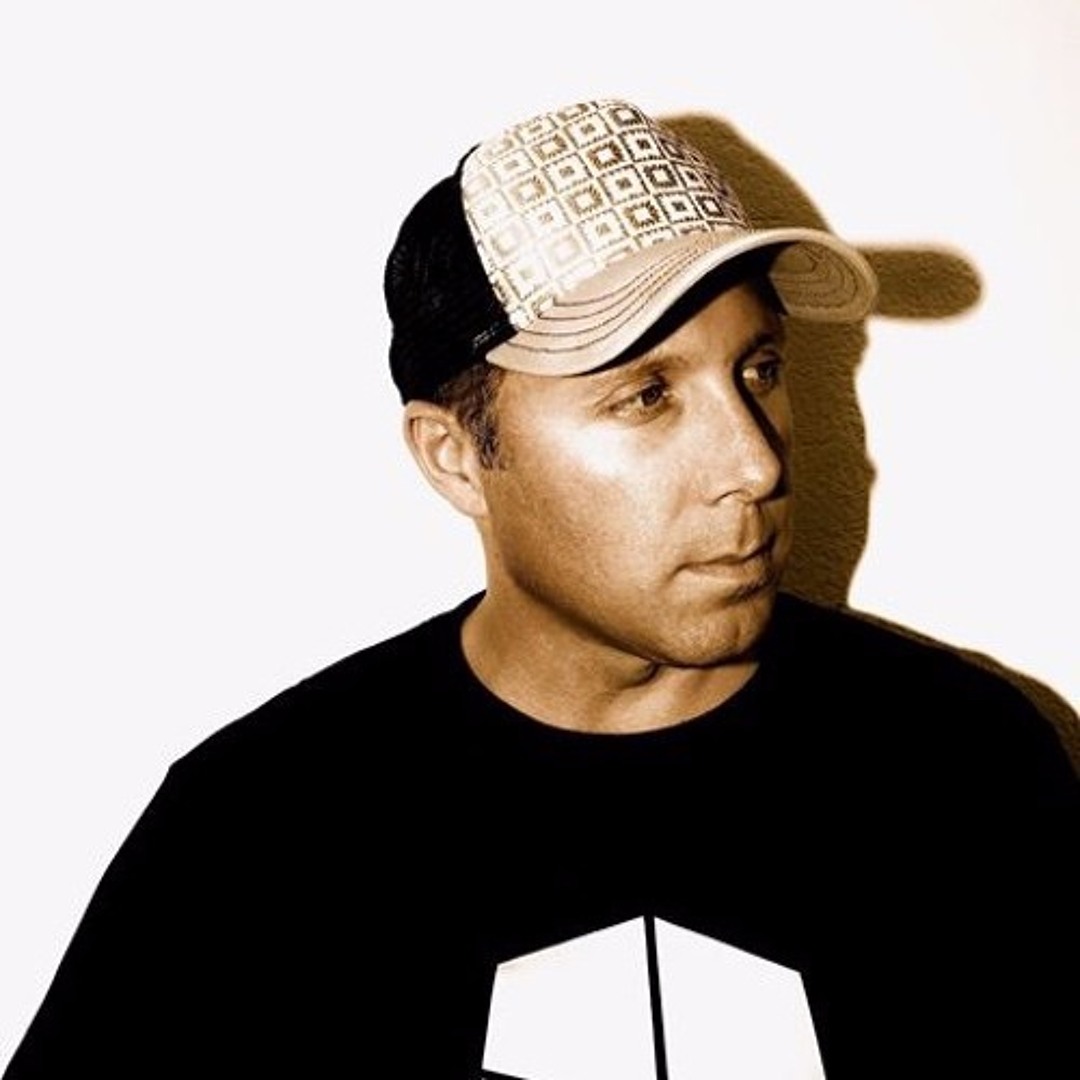
Martin Reeves — known worldwide as Krafty Kuts — is a DJ, producer, and label founder who helped define the UK breakbeat sound. From his roots in breakdancing and hip hop turntablism, Martin opened Instant Vibes record shop in Brighton, co-founded Against the Grain Records with School of Thought, and signed the Freestylers. His connection to Fatboy Slim and Southern Fried Records, a 12-year weekly residency at Funky Buddha Lounge, and touring on the Big Day Out with Rage Against the Machine mark a career spanning three decades at the intersection of hip hop and electronic music.
Whether collaborating with A-Skills, rocking Shambhala festival, or streaming to 120,000 viewers during COVID lockdown, Krafty Kuts continues to push the boundaries of what a breakbeat DJ can be. New projects including The Finest Cuts mixtape and the Faces in a Crowd album are on the way.
From Breakdancing to the Decks
All right, I am welcome today on the DJ's journey. Very honored to have on one Martin Reeves, AKA Krafty Kuts. Welcome, Martin.
Hey buddy, how you doing?
Good good. It's been a few years, very happy to see your face again.
And you too mate, and you too.
Alright, we're just going to get right into it. Martin, what was music like for you as a child growing up in your house?
I was into the first music that I actually got into that I really liked was kind of like two-tone and ska and sort of like Dexys Midnight Runners, the Jam, the Beat, the Specials, Madness, the two-tone, ska sort of like reggae influence stuff. Well, I wasn't never really been a big reggae fan, but just like the ska stuff. I really liked that. And then suddenly I met a friend who was like a robot dancer. Very good one as well. He appeared on telly and he was big into old school electro, original hip hop and electro. And that was it. That was when my path changed. And I still love my old, you know, the Jam, Madness and Dexys and the Beat and Selector and all that stuff. And I listened to that in my car on my journeys and stuff. But my real love is like hip hop, electro and funk. And he introduced me to that, you know, the early sort of like Twilight 22, Egyptian Lover, Unknown DJ, Afrika Bambaataa, all that stuff. And then it became hip hop and then Houdini and Run DMC and stuff. I was about 15 then.
How old were you, and what year was that around? 15?
You know, with hip hop it's a way of life, isn't it? Like graffiti, breakdancing and collecting records and, you know, talking to each other about where this sample came from and just how hip hop's produced and just the whole energy within that scene of music was just a wonderful way to get into something. Then started collecting music and stuff. And that was it then. And I was a breakdancer.
Did you have brothers or sisters in the house as well?
I have, but they weren't really into music like I was. I was quite obsessive and just loved going around. We call them car boot sales. I don't know if you've ever heard of that in America. People get their cars, fill up with this junk in the house, go to a big field and everyone just assembles stuff out the back of their car onto tables. And people just sell their old tat, as we say, from their house. I'd always go in there looking for the records, sevens and twelves and albums.
And I bought some of the best records that I'd ever come across, you know, James Brown, Calling the Gang and loads of funk and hip hop stuff and rare records. And it got me into learning how to use those records and trade them to get the records that I wanted or sell them and make money from those when I was like 15, 16 onwards up to when I could learn to drive when I was 17 and 18. And I just spent every Saturday and Sunday at car boot sales buying records and selling and trolling them. It's my hobby.
So, and when I talked with Lee Coombs, he mentioned being into kind of that early electro and hip hop as well. I'm curious just for, you know, so being in the U.S. for me, I missed out maybe on some of that earlier electro kind of hip hop, but I caught on more so with Beastie Boys and Run DMC. So I'm just kind of curious, like, but so it sounds like at that early time, that was crossing the pond, so to speak. Was it fairly prevalent around your friends in school?
Yeah, it was only popular in small groups. And basically, I think because everyone was into breakdancing around the South Coast, electro went with breakdancing, you know, pop, lock and stuff like that, and the early movies like Wild Style and Breakdance, et cetera, they influenced a lot of my music. And we got into like Kraftwerk and stuff like that and Afrika Bambaataa and Soul Sonic Force and all that sort of stuff. It was just so brilliant to dance to. And then suddenly I just felt like I wasn't good enough. Some of the lads that used to do it with us, they were just amazing, really good breakdancers and pop and, you know. But I just felt like maybe I should try my hand at DJing. And we had turntables at this breakdance club that we used to have. I said, can I have a go?
And funny enough, I was cutting up the Beastie Boys, She's Crafty. I was going, she's crafty, crafty. And then someone said to me, that'd be a really good name for you as a DJ, Crafty. You're a bit crafty, aren't you? I thought, yeah, that is a good name, Crafty. But then I needed something else, Crafty Cuts, because I was cutting and scratching. And I just was obsessed with it, buying records, practicing. I entered DJ competitions and I got to a final of a competition on the South Coast, having never had my own set of turntables. I used to go around my mate's house and I worked out a little six minute set and I got through three or four rounds to the final. And the guy that I used to practice round his house, he actually won.
And he was a robot dancer as well. Really, really good. And they appeared on television, national television. And the other guy who introduced me to it, who wasn't really a DJ, just more of a collector and a graffiti artist. He was an amazing graffiti artist as well. And he just influenced me and we just became really good friends and we traveled the UK, going to record stores and just buying. Hip hop is like, it's a passion, it's a way of life. And you just admired other people and people stood out in the crowd if they were special, like with their clothes that they wore. And if you looked good, you felt really special. And I just suddenly learned to DJ and I got very passionate about it.
And then I acquired a load of records at a car boot sale, thousands of them, absolutely thousands of them. And it was a DJ who used to DJ on a pier in where I used to live in Bognor Regis down the South Coast. He was selling his collection and he was getting sent loads of records. And I knew that there was a lot of valuable records in there at the time. There was like Prince 12 inches that were rare. There was David Bowie Under Pressure with Queen on 12 inch, which you never see. And there was all these records and I thought I'm buying all of these. There's so many records and I made so much money from it. And I acquired a record shop, I called it Instant Vibes.
Instant Vibes: A Record Shop and a Scene
And then I bought another one in Brighton and then that's where it all just sort of my life changed really. And we can come into that in a minute. You know, I was meeting a lot of famous people like Fatboy Slim and funny enough, I met Paul Weller from the Jam. He used to come in my shop and I met a lot of famous comedians and producers and DJs. And I just suddenly started up my own night called Supercharged on a Wednesday night every week for 12 years with my buddy called School of Thought, who we set the label up with, Supercharged and Against the Grain. And I just learned so much about learning how to DJ, warming up, playing the main slot, playing the middle slot and just meeting all the DJs from around the world and pushing break beat to the masses.
Well, yeah, let me jump in. So I'm fascinated. So you didn't have your own turntable. So you must have just taken to it like a duck to water, though. I mean, you must have had a natural affinity if you were already understanding and figuring out how to scratch from the beginning.
Yeah, I was never like the best scratch DJ, but I had like a quirky side to me where I'd mix, you know, like Disney records within hip hop. And I'd try different things and mix funk and disco and cut up breaks and do stuff that would entertain. I was more of like, if someone came to see a DJ, it wasn't about how good I was on the turntables, it was about the music that I was playing that would captivate people and make people want to dance. And I started DJing for this band called Big Corporation, it was a reggae band. And in the end I took over because I felt like my DJing was so good at the time. And my collection was so good that I was playing records that people just absolutely loved, you know, Mainsource, Gangstarr, Pete Rock, along with really good funk and disco records and Public Enemy. And people just loved it.
So were you playing out getting paid for gigs and stuff while you were in high school then?
No, not when I was at school. When I started DJing for the band, I was like 18, 19 in clubs. And then it was about when I got my first set of turntables, I really started to learn when I was 21. I got some Technics decks because they were expensive back in the day. I finally started to learn the art form of DJing and learning how to really mix records and stuff like that and practice my scratching.
Did you go to university at the time as well?
No, I didn't really do college. I had like just normal jobs, normal daytime jobs. I had some funny old jobs. I was like a quality control tester for a food company where I used to taste all their desserts. And then I was a bingo caller, which is quite strange. I used to work in an amusement park and I used to call the bingo. So with the money that I was earning, I was using that to buy really nice clothes, bought myself a car and some turntables. And then I had a girlfriend and we settled down and I was really happy doing my thing.
And then suddenly when I bought those records at a car boot sale when I was about 23, I realised that I could make money from this and I opened a record shop up when I was like 24 and things just escalated from then onwards and I just became obsessed. And my knowledge of music became vast as well. You know, I learned about Guns N' Roses, about Queen, about Prince, about jazz, psychedelic jazz, funk, disco, hip hop, rave, because rave music down in England was just so popular. Prodigy and all the early sort of jungle and drum and bass and hardcore. And everyone just wanted these records and I was selling so much of it through my shop and meeting people all the time that it was inevitable that music was gonna be part of my life.
So as you were kind of learning all that and like hardcore in the UK, was that like mid 90s, early to mid 90s?
Yeah, that's right. Yeah, early 90s. Yeah, 92.
And did you have DJs that you were looking up to at that time? Were you looking up to any particular DJs at this point or was it just you kind of found your natural path?
No, my DJs that I really looked up to, like DJ Cash Money and Jazzy Jeff and obviously Grandmaster Flash, some of the DMC DJs as well, like Cutmaster Swift, the UK DJ champion. And obviously Cash Money was — funny enough, great story. In 1986, when I first started getting into DJing, I was 17 maybe and I saw Cash Money win the world finals at the Royal Albert Hall in England and I was like wow this is just mind-blowing and he was the first real good scratch DJ that I'd ever seen. And obviously Jazzy Jeff as well was another great DJ.
And then obviously things started, writing music and DJing and touring the world. And then Cash Money, I met him in France at a gig with A-Skills. And then I said to him how good he was and he was really humble, really nice guy. And then his agent was a friend of mine in England and I won best DJ, breaks DJ, and I won best album and I was winning lots of stuff at the time in England. And Cash Money came over to me — and this is a guy that I idolized — he comes over to me and says, you're quite a man. I'm proud of you, brother. You winning all these awards and you've been a DJ. And if someone had said to me 10, 15 years after him winning the world championship, that he would be there watching me DJ and giving me props and saying how great a DJ I am.
And also, Q-Bert said some similar words to me and Jazzy Jeff became a really good friend. He's a really good friend and he said the same thing and Z Trip. All these amazing DJs, Mixmaster Mike, all these DJs who I've DJed with have all said really kind words to me because I captivate people in a different way. I'm not as skillful as them, nowhere near. But what I do with my music and the quirky side of me is mix records in a way that nobody else does. And I bring in different styles of music that make people just go, wow, what the hell was that?
And I make edits of other people's records, which I've always done. For example, I'd get Jaski Cherie Walkin' Skank and then I'd play the SL2 version in, or I'd do the Prodigy, Max Romeo, Chase the Devil. And this was way before the internet existed. So for you to check out where those records came from, you had to find those records. And I used my knowledge of music to my advantage. And that's what made me stand out from people.
Another example was I was playing at this huge night in London at this massive five-floor venue called Home. And all the biggest DJs in the world are playing there, trance, like Paul Van Dyk, Tiesto and Carl Cox. And I was on the third floor. And I literally played one of the best sets I've ever played. I had three turntables, vinyl, scratching, cutting it up, dropping a brilliant set of breaks, hip hop and drum and bass and old school rave. And then this guy came on and he played Jaski Cherie Walkin' Skank. He mixed it into something else like a Latin track, because he was Brazilian. And everyone just went mental. So for two hours, my set of craziness captivating the crowd was just forgotten about by one record that this guy had played. And he taught me a lesson, a valuable lesson, that there's always someone else out there that is better than you.
Fatboy Slim, Southern Fried, and the Big Break
So you learn valuable lessons as a DJ all the time. And these have helped me perform in front of 40,000 people, headlining tours with Justice and Rage Against the Machine and do things that I never dreamed of and judging Red Bull freestyle mixing competitions in Azerbaijan with Jazzy Jeff, Z Trip, Shortcut, DJ Newmark, and all these people are all friends of mine now. And Charlie Toon, I remember them coming to Brighton with DJ Shadow and performing as Jurassic Five. And then if someone had told me 20 years later, yeah, you'd be touring with him and making music with him. I said, don't be stupid.
Yeah. I had the pleasure and honor of having a nice long conversation with Z Trip before Breakfast of Champions a few years ago. He showed up probably at least two hours early. Unlike a lot of DJs who will show up a little closer to their set time, he just wanted to hang out backstage and see what the other DJs were playing. He wanted to soak up the crowd. And I started chatting with him and telling him about what the Space Cowboy stages were like. And he just stopped, pointed his finger at me gently and said, context is important. I want you to tell me all about it. And he just wanted to know who that crowd was made up of. And for him, that was great because he could set the tone for his set.
So let me jump back though. You mentioned putting it all together a little bit. So you started producing along the way as well. At what point did production hit your mind?
Well, where I used to buy records for the shop, there was a guy who worked at one of the distributors and he wrote music and he was really good. And he wrote like rave music. And I was like, I want to get in there. And I was hopefully going to ask him if he could write some big beat stuff, because that was the genre of music that was massively popular. And this was obviously before I'd really discovered breakbeat. And we started writing stuff. And then I wrote a track called Give Me The Funk, which sampled Curtis Blow. And Norman came into my shop and I'd started — I cut a dubplate of it so that I could play it out when I was DJing.
And on the B side was my intro with TC Islam and rap vocals and hooks and stuff. And it was like the Rocky intro. And then it went into the drum loop of Jazzy Sensation, which was really cool. That was like my first record that I wrote. And then I saw the bass line that we wrote, I sat down for months with this rhythm and melody in my head. It's still today probably the best bass line I've ever wrote. It just had such a funk rhythm to it, it was so good.
And I played it to Norman, Fatboy Slim, when he came in my shop and said, look, I've just done this track. And this was about the time that he'd done Renegade Master. I think it was before Rockefeller Skank. And he loved it because, my God, this is brilliant. And I made the best decision of my entire life. I thought this $100 dubplate that meant the world to me, shall I give it to this famous DJ who will probably play this out and get more exposure? And he played it and we exchanged numbers and he said, look, I want to put this out on Southern Fried. Have you got any objections? And can you do a B-side? So I just done a different version, a faster version of it, which he loved even more. And then he charted it in Mixmag.
And then they contacted him and said, what is this? Who's this Krafty Kuts guy? And he played it on BBC Radio One. And it just went off. Everyone's like, I love this record. What is it? And he put it out on Southern Fried Records.
Mixmag contacted him and what's this record? Who is this guy? And then Ministry of Sound contacted me through him. They got my number and said, look, we love this record that Norman's playing of yours. Have you got any more music like this? And I lied and I said, yeah, yeah, I've got tons. I said, give me a month and I'll bring a couple of tracks up to you. And I went off into the studio. I had tons of ideas. And I used all the money that I had in savings to work with this guy called Chris Sargent, who was an amazing engineer, and Ed Solo as well. We started writing stuff and I went to the Ministry of Sound and they loved it.
And I'd done this track called Who's the Man, which had loads of samples in it. And it was in a movie with Vinnie Jones. It was Mean Machine, which was the old Burt Reynolds movie where he was an ex footballer who got put in prison. So Vinnie Jones was this footballer who was a favorite of Guy Ritchie. Jason Statham was in it. Guy Ritchie was married to Madonna. So they, this got licensed to this movie and they said to us, do you want to come to the screening of it in Leicester Square?
And I didn't know where my record was going to feature in this movie. So I'm there with my wife at the time and Madonna's there, Guy Ritchie's there, Jason Statham's there, Claudia Schiffer the model was there. And we sat there and the opening scene suddenly you hear my record. He's being chased by the cops and he gets put in prison and the movie's really good. If you ever get a chance to watch it, Mean Machine, my track's in there. And that was just the door opening and I was DJing in China, Australia, doing tours of Australia, New Zealand, America. The whole clubbing scene was just starting to explode. It was whirlwind. Like from six months before I was just sat in a record shop trying to sell records to being touring the world, playing every single weekend and big festivals to 10,000 people.
Funny enough, right? Great story. So I worked with a rapper called TC Islam, bless his heart, he passed away. He was really good. He was a great hype man. And I never DJed with an MC. And we got asked to do this festival called the Hultsfred Festival in Sweden. And I had a big pile of records and I was going through them. And so got to the festival and I'd worked this set out and I'm looking around going, where's TC? And the guy goes, you're on now. And then TC came running through the middle of this crowd with his mic going, Sweden make some noise! And he jumped onto the stage. It was my first ever festival, about 10,000 people. It was pretty amazing.
Supercharged and Against the Grain
How many people were you playing to for that festival? Yeah. I mean, I can relate on some level, going from playing locally, hundreds of people, and then the biggest, New Year's Eve, Halloween party we had, Ghost Ship on Treasure Island.
I remember that. Who was that? Was that EDC who used to do those? Was that Pasquale?
No, that was Space Cowboys, and Robbie, who's now part of Flash. We were part of a co-collaboration at the time. And in one of the rooms we had this ginormous cardboard ship in it and I was the last DJ of the night. And I'm looking around going, please, can I have somebody go on stage with me? And I had that moment where it's, OK, this is just me on this huge stage. And I'm just sitting here looking at two to 3,000 people and just going, you just got to own this right now and tear it up.
But I want to jump back. You sound kind of very humble. But going from being in a record store to putting that track out and having that instant success, what was that like? Fatboy coming in and wanting it on the label, were you proud? Were you also surprised?
Yeah, there's a lot of mixed emotions going through there. It had been something that had been bubbling for a while because I was always like at school, second in races or always the one who wasn't quite picked for the best team. So I'm very competitive. And there was a club night in Brighton called the Big Beat Boutique. And I really wanted to play at that. Obviously the guy who ran it didn't really appreciate what I did. So it was very frustrating and I used to DJ in this little bar every week, building up my name in Brighton to try and get noticed and nothing happening. And then suddenly out of the blue, it's happened.
And then during the course of this happening, a guy called School of Thought, Lloyd, who was doing club nights down near London, he'd come into the shop and said, I love what you're doing. I want to get you down to do my night at a place called St. Albans. And I DJed for him and he loved it. And then he kept coming into Brighton and he said, listen, Brighton doesn't really have a breakbeat night. And he was into breakbeat and I was just starting to write more breakbeat stuff and Plump DJs, Stanton Warriors, Decline, Freak Nasty, Lee Coombs, all the Finger Lickin' sound was really starting to take shape.
And he said, look, let's start a night called Supercharged. And we do it every Tuesday. And I've got this venue called the Funky Buddha Lounge, 250 cap. And we'd do it. And he said, you do the warmup. And we've done it for 12 years. And it basically was just a huge success. And it's what helped pave my way and introduced me to all the acts, like Plump DJs and Stanton Warriors and Freestylers. And they all became really good mates. And then I joined the Finger Lickin' brand as well and wrote a couple of tracks for them, set up Against the Grain with Lloyd and we wrote some really big tunes like Bass Phenomenon. And we signed the Freestylers and Push Up got to number two in the national charts and things were just popping off and breakbeat was just massive.
Big Day Out and the World Stage
Rage Against the Machine and two days running I played to 40,000 people in Sydney. It was insane. I can't describe to you. That was with Dynamite and Dynamite was just such a good hype man. And if you go on YouTube, you can see some of the videos for Big Day Out Krafty Kuts. And when you're put in front of that many people, other promoters see that and they say, right, I want a piece of that. I was just playing every single festival going.
And in that time you were starting to take off, how were you diving in on the business side? It sounds like it would be overwhelming to all of a sudden have to get an agent or manager.
Yeah, I got the guy who runs Finger Lickin' Records called Abel. He basically started managing me, doing a really good job. And yeah, had to close the record shop with tons of debt. So I had to rebuild myself financially again. And obviously, it did cost my marriage at the time. And out of a bad thing, because I had two kids, twins, out of a bad thing always pops up a good thing because I was a grafter, a hard worker. And I turned things around and I started just touring and writing music. And funny enough, I met my next lady on tour in Dubai.
And like most DJs will tell you stories, with girlfriends, they meet girls in Canada, America or abroad, and you just end up having long distance relationships because you just meet these wonderful people that are so engaging. And sometimes when you're in a relationship, if you don't meet the right person, it can be a problem because they might not want you to travel the world. And then suddenly something that you're really passionate and focused on can become less focused.
I got to a point where I literally was doing so many shows that it was like practicing as well. So I was getting better at what I was DJing and I could literally DJ with my eyes closed. And because I was quite creative, I didn't sometimes even use headphones. I just mixed, started learning how to mix on three decks easily. And putting loops up and putting acapellas over instrumentals and then dropping them and just being crazy behind the turntables. So rather than being really good at scratching, I can manipulate the turntables in other ways by playing great music, but really quickly and really dexterously. And it just captivated people because they never knew what to expect.
I just wanted to challenge myself. Funny enough at the weekend, this is a great example of being confident as a DJ. I was sat there and I was playing in my hometown in Brighton at Concord 2 with Plump DJs, Freestylers, A-Skills and Soul of Man. And it was sold out, brilliant, a hot sunny day party. I thought, right, I want to come in with the big guns and do something special. So at the beginning I've got my crazy Krafty intro, and then my first record was Madonna acapella Music, and then I dropped in a bootleg version of Gypsy Woman, Crystal Waters at 132 BPM with the Stone Roses Fools Gold breakbeat underneath it. And everyone was just hands in the air. It was a euphoric moment.
This is what DJing's about, captivating people with two records that just went off and everyone was just like, this is sounding great. And that first mix that I'd done was perfect. And then in the middle, I got Thomas Bangalter and DJ Falcon, So Much Love To Give. And I put it on the loop. And then I've got this edit by Wookie called Wookie Diner. And I just dropped the beat in perfectly in time, so tight, like they were glue.
And then at the end, I thought I'm gonna play one drum and bass track because I didn't wanna piss Lee Plump off from the Plump DJs by going all drum and bass before he's due on. So I put this vocal in and then I got a loop of NAS at 174. Put your hands up, here's the anthem. Drums keep pounding a rhythm to the brain. And then it dropped into this mad drum and bass edit and everyone just went off. And then I looped it at the end. And then Dynamite did a shout for me. Are you ready for one more? And then it goes into Red Hot Chili Peppers. And then it speeds up into Stanton Warriors. And it's just massive.
I just played an hour set of absolute perfection. Every record was like an exclusive or something that I'd made or changed. So I captivated people with my own music, my own edits and my skills as a DJ. I used all the elements of what a DJ should do to a crowd to entertain them. Clap your hands, make some noise, got on the mic, done some scratching, dropped some acapellas, made my own edits, done some loops, done everything that I could possibly do as a DJ to the highest possible level. And people come up to me afterwards going, I've never seen anything like that.
Well, and I just want to note that that one day, that one hour of perfection, how much work and time and love and your soul that went into that to get to that point. The music knowledge, the having the loops, making the edits. Years of experience.
And I just want to go back and appreciate what you were saying about your partner. I've had several very long-term relationships over the span of my DJing and they've all been supportive. My current partner is really supportive. She has two kids. She said, I asked the universe for a man with these qualities and she didn't think it was the package it came in. She wasn't imagining a single guy from San Francisco who's a DJ. But she never poo-pooed it. And over a few years, she's been even more supportive. I just turned 55, double nickels, and it was the 25th anniversary of when I started DJing.
And I actually feel energized in the way that you're talking about. I've had some really good things happen to me. I played in Canada, I played in Brazil. I played in the Superdome with Brian Setzer Orchestra. So I've had some cool things. But after 25 years and having a really supportive partner has been amazing to help me go, I'm ready to take it up even more of a level for the passion of it.
Going back to that late nineties, early two thousands, Finger Lickin' and big beat. That was kind of like my hip hop influence in a way for my clubbing and DJing. Music that was big, fun, funky, and had a lot of energy to it. How did you find your way going through that over the years? You started Against the Grain. You were still releasing on other labels. How did you keep engaged and keep your energy going?
I kept healthy in terms of like, I played soccer, I still play soccer. And I go to the gym two, three times a week and I eat as healthy as I can. I'm not really into drinking alcohol too much. I have been blessed with beautiful ladies in my life and girlfriends and a wife. And they've all been really supportive of what I'm doing. And my current girlfriend, I met just at the beginning of COVID. She's got two dogs. And she's so supportive. She's a nurse and she's just brilliant. And I love her to bits. But we don't live together, but we support each other.
A good supportive partner within whatever career you choose is always going to help. And my journey has been a crazy journey of highs and lows, mostly highs. Heartbreak, with people passing away, my dad and my ex-wife's mum and her daughter. And missing people when you're traveling around the world as a DJ, it's quite hard and tough. Imagine 20 years ago when there was no FaceTime. Going on tour on Christmas and not seeing your kids and a phone call would cost you $50 for five minutes. It was tough, but it taught me a lot of good life lessons. And I am a humble person.
But I love what I do and I love entertaining people and making people happy. And I've had some great gigs with the Space Cowboys and I've done some crazy gigs in San Francisco with Robbie and Andrea and all that crew. So San Francisco is, certain parts of America, I've been blessed to perform and meet some incredible individuals. I played EDC, I played one of the first ones at the big football stadium in Los Angeles and I played three of those. And then I've done Electric Forest and some really big festivals in America.
Unfortunately with America, it kind of lost its way a little bit and the breakbeat scene just didn't flourish. You had dubstep, drum and bass and house and techno and trance, but breakbeat just kind of drifted off. But it's coming back again and I can't really say too much, but there is some really interesting developments within America and I will be coming over a lot in the next year or two to play at various things. So America, you're going to be seeing a bit more of Krafty Kuts.
Well, I certainly hope so for that and I won't say too much, but hopefully Space Cowboys will be a part of that as well.
I remember talking to Lee Rous from Plump DJs when he first played at either Mighty or Great Northern in the Bay, famous in the Bay and Burning Man community for being one of the homes to the breakbeat scene. And we had so much energy, so many records and sets from that time. And I think electro got really popular. EDM kind of took over that. And I think for the mainstream, it kind of lost the connoisseur side a little bit.
Yeah, I think it was all about visuals and dancers and the music was kind of like secondary. And breakbeat was all about the music and the vibe and the energy. That's what it was about. And that's what's made Space Cowboys so good. The music was just so funky, whether it was house or breakbeat. And in Toronto and New York and Miami and Denver had a nice little scene. So did Seattle and Los Angeles. And there were pockets around America from really good promoters.
In Spain, there's five, ten, fifteen thousand people every week that go to breakbeat nights. And in England, people still come out to breakbeat events. We played a Finger Lickin' party the other week in London, 800 people turned up and then 400 people on a boat. So between the course of two shows, there were 1,200 people and people love it. They absolutely love it. And we both know that if it's good music with good energy, well promoted with good DJs, it will do really well.
Burning Man, it's not about the DJ. I know everyone goes to Burning Man to see Carl Cox or Diplo, whoever, but really it's the smaller DJs who are not so well known that people come away talking about going, oh my God, who was that who played that set?
Yeah, and specifically with Burning Man, my first year was 2006. And what I liked about it is hearing things that you both love and maybe really don't like, but you're reacting to it. I heard some dubstep that I actually really liked, certain sets. And there's some of it where it just wasn't for me. But I loved that it was there. And you can still find a lot of that at Burning Man.
And I'll have sets where I'm playing bass house, but I love in the Bay area, I'll have people that will still kind of come up and say breakbeat. And I don't take requests, but when somebody comes up nicely and just goes, hey, can you throw some breakbeats in? Like, yes, yes I can. Because those breaks heads are still out there and still been listening for all these years.
I wish I could play the set that I'd done on Saturday in San Francisco and people would just be like, what the hell is this? Because I know that the music that I've got, they probably haven't heard, but they're familiar with. And they're like, wow.
Well, and it sounds like a modern version. I just wanted to give you props because it was one of my favorites, Slam the Brakes On. That was one of your early compilations. And it had that energy of your own intro, your own announcing yourself in a very hip hop kind of manner, mixed with little breaks and funky and hip hop, all melding together. And it all fits. Going full circle on your career, you're still doing that very same thing. It's coming from your heart, which is you have a love of many kinds of music and that comes out in your craft.
The Next Chapter
I think going back to what you were saying about where do you get your passion and energy from — the moment I stop loving what I'm doing is the moment I'll probably quit. And I still love what I do more than ever. When I get a response, because I feel so confident in what I do and I've got such good music, I feel like you're about to witness something really fun. You're going to have a great time and you're going to hear music that is going to blow your mind. And that is my theory every time I go out there.
I mix all those genres into like a little melting pot. It's like making a really good curry. You add spices and the more you add and the longer it stays there, the better it tastes. And that's like what I do. The more you listen and the more you take note, the more you'll enjoy. Because I'm really going for it. I'm not just playing records and twisting a few knobs. I'm literally throwing down and every set I want it to be amazing and immaculate. And I want you guys to experience my passion and love and desire to give you the perfect beat.
You just reminded me of something. You played either the day of or right after Michael Jackson had passed away. And I just remember you got on the mic and said something heartfelt about how his music had meant a lot to you. And then you played this drum and bass remix of Human Nature.
Yeah, of Human Nature.
Yeah, Human Nature. And it was kind of one of those moments that was — you captured it in that moment, what you were feeling. And of that night, that's the moment that I remember kind of like on a little video reel. What a way to end it with this really beautiful tribute. Was that at Mighty back in the day? And the other thing I wanted to mention, I was absolutely gutted. I wanted to ask you about your relationship with A-Skills, with Adam. You both strike me as — I've got to spend a little bit of time with Adam recently. He was really pleased. We went out on the afternoon and shot hoops.
And I was gutted though, you and he had a four-deck set that you guys played together at Great Northern. And I had a gig that night and my set was right during your set. I almost wanted to cancel my set just so I could see you guys play together. What is it like collaborating? You and he seem to gel pretty well.
I mean, he is probably the most talented guy I know. He's really meticulous, a perfectionist. Adam is more like, with his mixes, there'd be a version 10 or a version 12. With my mixes, there'd be a version two or three. And he's like that with his DJing. He's just so precise. When he drops acapellas, he just keeps it going so beautifully. And he loves his blends that just create that moment of magic when you hear two records together and you think, God, that is pretty baddy nice. And he makes really special music. He's a really special person.
Him, Z Trip, Scratch Bastid, Jazzy Jeff, Shortcut, Mixmaster Mike are just on another level of DJing. They're exceptionally good. Mixmaster Mike is just — and Scratch Bastid, every time I see him play. And it's all hip hop, but they don't just play hip hop. Mixmaster Mike loves breaks and stuff. And DJ Lord as well. All these DJs who are playing to huge crowds every weekend. What makes them special is because they express themselves on the turntables or CDJs and they express their passion and their love and their energy.
The people that you can see the passion and love and the energy that they have behind the decks is going to blow your mind. And like you said about Human Nature, that's a great moment. I actually remember that. He did play an important part of my musical journey because he loves music as well. And regardless of what happened in his life, his music was special. And like Quincy Jones, Nile Rodgers, they have segments of what they've done that are some of our favorite songs.
And I've got lots of them, being a record collector and someone who sold music. I learned a lot of knowledge about different types of genres of music. So I love, I'm like you, I'm an open book. Rave, evil house, funky house, especially disco house, God I loved, and French house, I love that stuff. And drum and bass and funk and hip hop and electro. Especially when Wolfgang Gartner and Deadmau5 done all that early electro stuff. That stuff was so funky.
Yeah, I went to WMC in 2006. And Steve Lawler played at Space and my buddy and I, our jaws were on the floor because that was the first time we had heard this. He'd gone from progressive to what I guess would be tech house, and then this electro came out with good chunky beats and fat analog bass. And it was brilliant. And then I still go back to some of those tracks from 2006, 2007.
Well, Crookers, they were another one as well. That fidget house thing as well, that came along with it.
Yeah, Crookers, fidget, yeah. So I wanted to ask you also, being a proud papa as you are, what was that like seeing your son get into DJing? What was that process like? Did you try to expose him to it, or did he come to you?
I had my deck set up in my house and whenever they stayed — I've got twins, they're 30 this year. And my other child is 15. And my daughter's 10. So my twins, one of them is an estate agent, which is real estate. And Billy, the other one, Future Flex. He just got into DJing and he loved it and he was a natural. I didn't really need to teach him. I showed him the ropes. I told him some tricks and he'd come and watch me every weekend when he was 18 to the clubs.
And then suddenly when we started doing streams in COVID, he just got on the mic and he was brilliant on the mic. He was just like a typical sort of garage MC. And I've got some fantastic footage of us DJing together and then I let him start DJing on the streams as well. And he brought his energy and his style of music, which was like funky house and garage. And people loved it. And then he started writing music and doing really well. His house music is not really my sort of music, but I'm really proud of what he's achieved. He's signed to some really big record labels.
Imagine if you wrote some really good music and you played at one of the big EDC events to 20, 30,000 people and they're all going nuts to your music, you're just gonna get a big run of shows after that. It's inevitable. And America is prime for great big festivals that are a great way of showcasing someone.
I wish I had money to put on a festival because I'd put a festival on of just the best DJs and the music would just be so much fun. I'd have Jazzy Jeff, Cash Money, Andy C, Carl Cox, just some of the best DJs that just know how to DJ. There's a festival in Canada called Shambhala. Whenever that happens, it just has the best lineup ever. And whenever there's a DJ playing, all the DJs come to watch that DJ play. It's the DJ's DJ's festival. So many DJs have got famous off the back of Shambhala because it's amazing visuals, a beautiful location in the mountains, five to ten thousand people watching you play.
I've been talking about trying to make my way there for years and it's still on my list of to-do's.
It's the best festival I've ever been to and I've been to pretty much every other festival. It really just nails it.
Nails it. Well, I unfortunately won't be there this year, but I'll be hoping to see some video from your guys' set.
Yeah, for sure. It's a good lineup on Saturday when I play. It's like Jazzy Jeff, Wookie, A-Skills, myself. And the Fractal Forest, yeah, it's gonna be pretty good.
Nice. I want to ask you, where do you particularly like to play these days? Is there a country, city, club that you particularly enjoy?
Spain is pretty epic when you play breakbeats in Spain. They like it a little bit faster and harder. They've always have done, but you play to like 5,000 people just going absolutely crazy. Canada's always really good. Australia's probably the place to play. They love breakbeat there and they just go mad. The girls love it. They scream, they shout. They literally love every single tune that you play. And the fact that you've traveled so far to come to play for them, they appreciate that.
And because I've done my streams through COVID, it helped a lot of people through tough times. So I just offered my services. I just done it because I loved it and I just wanted people to hear good music through a tough period. And then suddenly I just done it every week for like a year. I've done about 56 straight weeks.
And I was the first DJ to do streaming in COVID in terms of like a DJ had never streamed before. Just got a camera in front of my turntables, didn't know what the hell I was doing. Sounded awful. And people started messaging me and saying, look, you've got to do this properly. So then I hooked it up properly.
Believe it or not, Keith. When I first started doing it, the next day, guess what the numbers were on Facebook that viewed it? 120,000. 120,000, and that went on for weeks. And then slowly but surely it started to come down a little bit because other people were doing it. And then Facebook didn't like it because you weren't really supposed to be doing that on the platform and then Twitch came in. But it was amazing.
And I've got some great sets and moments from those streams. There's a really good moment when I played Bob Sinclar and mixed it with a Deadly Avenger record. And Bill's MCing and it's just like free flow, anything goes and it's just magic. A moment that I was never able to recreate. I took such a chance to mix that record in because they're the same sample but one's a lot faster. And I just mixed it straight in and it held. And I was like, yes! It was just magic.
Please send it before this comes out and I'll include it in here as a link so people can check it out. Is there anything you would say to young aspiring DJs or producers?
What I would say is the music that you're thinking of either playing or associating yourself with, learn about the background of it, whether it's house, drum and bass, techno, hip hop. Learn and understand the culture of what this music's about and delve into getting some of the records that people first started making. Make your own edits. Have an intro, have a last record. If you can't make records, invest in saving up and paying an engineer to help you make some exclusive edits. Learn to use the mic and hype the crowd a little bit. Don't be frightened and just be confident and keep practicing.
I can mix records that are out of key and still make them sound good because I'm that confident. Being creative is the magic that DJing can give you such a buzz. And when you watch people happy and thrilled at seeing you play good music, there's nothing like a buzz in your heart.
A good example, when I played the Big Day Out to 40,000 people, at the end of my set, Carl Cox would always turn up, sat behind us because he was playing the last set in this room. And I had a version of Bittersweet Symphony where Dynamite had done some vocals. And it went, who are you? Who am I? Who is this DJ right here? And Carl Cox, I turned around and he was singing it and waving his hands. And Tom Morello from Rage Against the Machine would come over and give me a big hug and say, man, you're rocking it. And I was just like, wow, I'm just so lucky.
And I'd say to people, you can dream and these dreams will happen. If you want to be a DJ, anyone could be a DJ if they wanted to. And then once they practice, you get good at it. And writing and making your own music and getting noticed in that field is also a big help.
Words to live by for any aspiring DJ or musician. Thank you, Martin. It's been great talking with you. Thank you so much for being on the DJ's journey.
Oh, I've got some plugs if that's all right. So basically I've got a mixtape coming out called The Finest Cuts, which is basically all my hip hop side. That's all my own beats and that's mixed together. Believe it or not on a cassette and a CD. And there's no downloadable features on that. You buy it and it's something that you keep. And the artwork by Dan Lish is outstanding. I've got two hip hop albums coming out in the next year. One is my album I've done with Charlie Tuna called The Adventures of a Reluctant Superhero, which is now called The Further Adventures because I've remixed that. That's just about to come out on picture disc. And then my next album is a hip hop album called Faces in a Crowd and it features lots of cool American rappers — Lyrics Born, Latif, Charlie Tuna, Dynamite, Q&C, Kurt Kozal and Q-Ball. And then I'm working on my Breaking Boundaries, which is my breakbeat stuff on Against the Grain. Tons of new music and lots of shows.
Perfect. Hopefully here in San Francisco before too long. I love that you're circling back around and really hitting on the hip hop stuff. I just saw after the LA fires earlier this year, Cut Chemist and Charlie Tuna came up and did a benefit show and just brilliant getting to watch those two doing their thing together. Love everything that you just described. Hip hop, breakbeat, hitting on all cylinders. You don't sound like you're slowing down.
No, but I've been chatting with DJ Dan recently and he said that breakbeat is making a massive comeback and it is. Breakbeat is back. The garage scene has helped it. It's highlighted it and a lot of house DJs are starting to make breakbeat tunes and it's starting to get popular again and hopefully it will flourish in America because that's the market. If it does, the whole world would just be like, wow, where have we been all our lives?
Yeah, and I've had conversations with Dan where I say, I wish we could be recording this because we're talking about old breakbeat scene. So many people know Dan from his more house side, but that early Funky Tekno Tribe stuff. We were talking about electro and I saw Dan playing in a dome at Burning Man and he came in there and just blew me away with this electro. And he and I have been chatting about breakbeat more lately so I know that even for the house heads, he still fosters that breakbeat side. I think like fashion it'll come back around again.
That's it.
All right, Martin, thank you so much. This has been a great conversation.