- 01How Justin Rushmore went from Street Sounds Electro compilations and belt-drive turntables to co-founding one of UK breakbeat's most important independent labels
- 02The serendipitous meeting with Jem Stone through a dubious acid house revival promoter — and why a flyer on the wall sealed the partnership
- 03Why hearing The Freestylers' Essential Mix on Radio 1 crystallized the Finger Lickin' sound and launched the label in 1997
- 04How Bar Vinyl and the Dog Star became ground zero for a no-rules breakbeat scene that rejected fashion and embraced chaos
- 05The inside story of pushing Plump DJs to release A Plump Night Out — and why they resisted
- 06What it meant to end Finger Lickin' after 10 years and 100 singles, and why the decision still feels right
- 07How Bug Club — a fleet of VW camper van DJ booths — became Justin's second act, from the London Marathon to Formula One
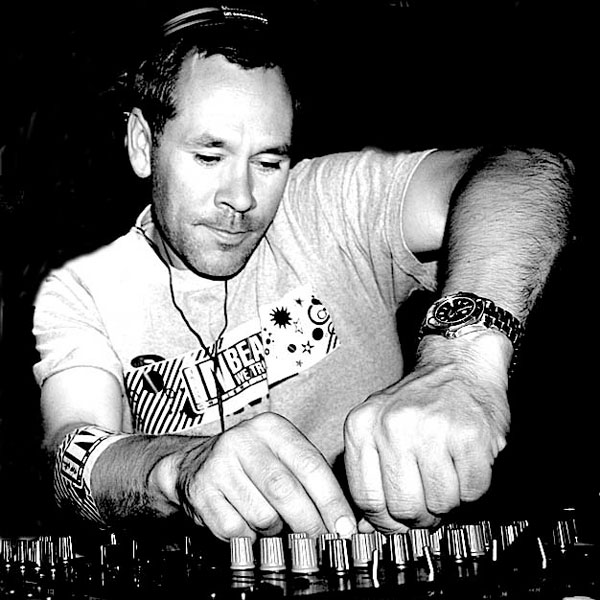
Justin Rushmore is the co-founder of Finger Lickin' Records and one half of Soul of Man — the production duo he formed with Jem Stone in the late 1990s. From a village in Surrey to the record shops of Soho, acid house raves, and eventually the helm of one of UK breakbeat's defining independent labels, Justin built a career that fused business instinct with dancefloor culture. Finger Lickin' released over 100 singles across a decade, championing artists like Plump DJs, Lee Coombs, and Krafty Kuts while running the Vinyl Addiction record shop and throwing legendary nights at Bar Vinyl and the Dog Star in Brixton.
After consciously ending the label in 2007, Justin reinvented himself through Bug Club — a fleet of custom VW camper van DJ booths that have appeared at over a thousand events including the London Marathon, Formula One, and countless festivals. Now based in Brighton, he balances the Bug Club business with occasional Soul of Man DJ sets and plans for Finger Lickin's 30th anniversary in 2027.
Justin co-founded Finger Lickin' Records with Jem Stone — hear Jem's side of the story, including the greenhouse studio and buying turntables a week before his first gig, in Episode 9: Jem Stone.
Justin pushed Plump DJs to release A Plump Night Out on Finger Lickin' — Lee tells his side of that story and the 25th anniversary celebrations in Episode 15: Plump DJs.
The Freestylers' Essential Mix was the moment Justin and Jem knew they'd found their sound. Aston Harvey of The Freestylers tells the Fresnova Records story in Episode 14: The Freestylers.
Lee Coombs, whose signature cowbells and hi-hats Justin references, and Krafty Kuts, who released on both Finger Lickin' and his own labels, appear in Episode 6 and Episode 11 respectively.
Introduction to Justin Rushmore
All right, welcome. I am Deckard. Welcome to a DJ's Journey. And very patiently, I have one Mr. Justin Rushmore. I think I've asked you probably about almost every month for the past year. Very glad to have you on, Justin.
Thank you. It's worth playing hard to get really.
Yeah. Well, and it's also, it's also worth it being polite and continuing to ask.
Exactly, it works. know, your morning, my evening, we meet in middle. Perfect.
Yeah. and I'm, I'm, I'm excited to have you on, you know, I think, I think there are six different guests that have referred to you on the podcast so far. So I'm looking forward to getting into a little of the. The shared history, and, of the UK scene of record labels of artists. but we'll, we'll start in the same time or same place. I start with everybody. What was music like for you growing up? What was the first music you really remember in your house?
funny enough, I was listening to one of the other podcasts and a lot of the references for the same, which was interesting. So I thought I didn't want to repeat exactly what Aston, from Freestyle has mentioned, but there are definitely a few things that are key. I think the difference with me is that, I didn't grow up in a particularly musical family, which the other half of Soberman definitely did. And I kind of really, it was my own discovery. I kind of remember. when I was very young, we used to have a fun fair, know, like an amusement park thing that travels outside where we lived and hearing cool in the gang with all the flashing lights of the fun fair. think that's what's led me to doing what I do now actually seeing vans pack up and set up with with beats. But yeah, that those kinds of things were early influences for me. I mean, you know, my dad's collection was classic kind of Beatles and that kind of fairly you know, obvious popular music at the time. unlike Aston, my mom wasn't introducing me to soul and funk, unfortunately, but I discovered my own music and I think, really it was, I can't remember what age, I went to, again, I keep referencing Aston, but he went to Woolworths, which was a UK store, but there was also a rival, was WH Smiths, which also sold records, but it was basically a stationary kind of chain store. And the first record I bought was Live and Let Die by Wings, which probably was an influence from my dad actually, Paul McCartney, obviously. And yeah, I think I didn't really know about, you know, the depths of music until I got a bit older, but... When I was 13, I discovered the Street Sounds compilations, which was notably Electro 6, Doug E. Fresh and these kind of people, Aleem. And that's where I, you know, the penny massively dropped and discovered kind of US import soul music. And there used to be a station in London called Radio London, which had a show with a guy called Steve Walsh who played the
Yeah.
Soul Tower of Power and it was kind of like SOS band that kind of vibe. So I think, you know, I discovered soul music and was very attracted to anything that had kind of electronic repetitive beats but it was in the early late 70s 80s, you know, when it was really being played around with synth bands and stuff but I didn't really know what was going on until we got one of those double cassettes and started looping and recording which was our entry level then the body popping.
Right. Right. Yeah. Yeah. Yeah. So were you doing that as well? That seems to be a big. It seems like that when American rap, I guess, hit, it sounds like everybody was like, let's grab the cardboard and go break dance.
Yeah Yeah, it's so funny. was really was cracking me up yesterday listening to that, that Assen's account of it, because the parallels were really similar. Um, I think it was just when life's so different now, but that idea of going and getting a lino and also, yeah, you're a bit self-conscious, but probably not as much as you are later in life. And I remember we talked about Herbie Hancock, you know, with Rocket. I remember standing in a party, which is something I would definitely not do now.
Yeah.
having a crowd of people around me as I was doing robotics really badly, by the way, but kind of trying to immerse myself in some sort of like Bronx culture in in-home counties here. But yeah, all of that stuff, it really did have a big impact because as time went on, I kind of discovered more and more electronic music as it was being created. And, you know, then eventually got on the whole system with a lot of other people you've spoken to as well.
Transition to DJing and Early Parties
Yeah. So how did you get from doing the mixed compilations to like, what, what was your first, you know, introduction with turntables or, know, was it, was it for you? it seeing another DJ maybe, and that got you kind of wanting to go down that road.
No, less exciting actually. think I was slightly aware of it, but definitely compared to how turntablism or superstar DJs are perceived now, it was just literally, I went to the local electronic shop and bought a belt drive, two belt drive turntables and a realistic mixer and used my dad's record. So they got a lot of Beatles and we put on a party, which I think I'd gone to a disco. I lived in a village, so I wasn't like in the thicker urban influence of culture. And I thought, why are we paying this DJ guy a hundred quid or whatever it was? I can do that. So I basically, you know, used a turntable, bought another one and played my dad's records, probably started collecting Live and Let Die and a few other bits that I had. And so it was almost by accident. was definitely not a cool thing to do at the time, but it was just something I was drawn to. And from having that, that's when you started to go out and eventually buy records and get, you know, completely obsessed with it.
Yeah, I remember the excitement of, you know, I had the records, but I wasn't like DJing for anyone else. I just was excited to have the records. So I'd make like multiple mixtapes, know, the A mix tape, the B one, each one had the different remixes on it, you know. So at what point did you start playing for other people or what was your path then to really get into music, you know, as we know you go down this road at some point?
Yeah. Wow. mean, I was reminiscing yesterday about how it all happened. It's quite difficult to put it in some sort of chronological order because I've got a few decades under the belt now, but I think around that time, so sort of mid eighties, I started putting on parties and again, the word entrepreneur didn't exist then, I suppose I was a bit enterprising with what I was doing. And I think also discovering Pink Floyd and the other you know, end of the scale of music and everything that comes with, you know, Pink Floyd, it's sort of all tied into a culture, I suppose. And yeah, exactly.
Yeah. little counterculture. How old were you around that time?
think around 16 or something 15 16 and then I was doing parties from about 16 17. In fact, we did these things called French kissing balls, which was a rather inappropriate name, which we marketed to the the posh parents of Surrey and their their little darlings would come along and pay five pounds at the time, which was not very much money. You get three free drinks and I'd do the disco and be checking the money on the door.
Okay.
and have my mom and dad helping serving the drinks to underage people while they all basically, you know, go off with the opposite sex or wore black tie. So it was under the pretense that it was a black tie ball, but it was actually just, you know, was more French kissing than the ball element. And all of that kind of, I don't know, suppose, business music led on to eventually going to, to art college, leaving school. by which time the whole kind of explosion happened in the UK, I was a bit more up to speed with what was going on musically and went to a nightclub called heaven for a night called rage, which is sort of famous with Fabio and groove rider to the sort of pioneers really of breakbeat and pre-drum and bass in the jungle era. And yeah, kind of did my, you know, right of passage that night came back, blew my mind. That was it really. You know, I think like a lot of us probably who you've interviewed have had similar experiences. That was a very seminal venue. I was very lucky and I was only about, I was probably 18 at that point. So I was driving. I wasn't living in London, but then I went and lived in France and I continued to organise parties out there, which is really when I kind of knew about dance music. So it was quite exciting. I mean, it was again, not like underground, but there was things like C &C Music Factory and Nomad. you know, devotion, these kind of like crossover tunes that were, you know, anthems and euphoric in their own way. And I sort of played them to a bunch of French students and international English students, whatever. And they'd never heard anything like it. It was amazing. I mean, some underground stuff as well. I remember just blowing people's minds and thinking, my God, you know, this is, this is crazy. So the whole kind of promoter thing that went with the kind of the evolution of the music. I think during that year or nine months I was in France, there was a lot of explosion and acid house party culture going on in the UK, which I dipped in and out of and then came back and got fully involved at my stripes as a raver. yeah, I try to think I went came decided to come back and not pursue art and actually do business. I was sort of torn between music and art. Yeah.
The Rise of Breakbeat and Acid House
This is gonna be a pattern, I mean, it sounds like this is your journey as you're fully present in multiple avenues of the art and business of it all,
Yeah. That's it. And it's a, it's it's a battle. It still is now with what I'm doing. I kind of, love the creative side. I can get lost doing, you know, doodling on Canva or whatever it might be. and equally with music, but, you know, something's got to make some money in it as well. So that's where my, my natural place fell into the whole kind of finger licking story as well. So I went to business college, and did a bit of art. And that was really where I kind of, ironically, having not really pursued music at school.
Yeah.
because it was very classical and it was a weird school teacher was a bit, yeah, I think he got locked up for something. It never really appealed. kind of wasn't exposed to the range of it. But yeah, I think from that point, I'd moved to London and I was going out a lot and I had DJ residencies at the Wag and doing stuff at, I think Cafe de Paris, which was a garage night. So musically, quite a mixture. But because of that breakbeat influence that had sort of stuck with it. When the acid house parties forced people into nightclubs, which is what happened, they kind of brought out this criminal justice bill. It meant that there were certain key venues around the country that were having kind of getting away with it massive all night raves. And the one that really was my stomping ground was a place called Stearns down in, funny enough, near Brighton where I live now. And that had Sasha and Digweed, would have Fabio Groove Rider, would have Carl Cox, it would have everyone playing because it was a melting pot of different music, three floors and it was full on. So that was my kind of church Bible. So then while I was living in London, I'd be going to all the record shops in Soho where I was at college, basically doing five days a week, nine to five, but at lunchtime I'd go out. go to black market records, go to quaff, go to all the key places and spend what money I was making from these parties and just obsessed with it. People would come around to my house and sometimes I wouldn't even acknowledge them. I'd just be so deep in the mix. So I think, if they say 10,000 hours, I did my 100,000 hours during that period of just mixing, mixing, mixing, mixing, sending out tapes and getting gigs. then I actually... landed with a gig out in Switzerland, which was bizarre. A lot happened around that time. I got some work experience with media records and was driving a band called Hypergogo and another one called Usura. It did that Open Your Mind track. I don't know if that came over. It was all run from Rollo who runs Cheeky Records, which was Faithless. And so I ended up being a tour manager and
Yeah.
I was just ducking and diving really as you do. yeah, ended up getting this residency out in Switzerland and started to get more international kind of DJ gigs. And again, it was never about the money. was just, I was just having a good time really. And after the college had finished, I got a call from a guy saying he was... They were putting on a big revival of these acid house parties. The original Sunrise and Biology and all these Genesis. A couple of the promoters had come together. I mean, you know, by their own admission, of ducking and diving in the law and all sorts of stories, know, the classic acid house stuff from the UK. Quite scary character, actually. And they were trying to put on this massive rave at in Milton Keynes, sort of in the Midlands area. And they wanted to promote it all around the country and basically do this sort of revival. And we got involved for about nine months. I was helping because I'd done this tour managing to kind of do the lineup, but I literally didn't have a clue what I was doing. I just got brought in by this guy who also didn't know what he was doing. None of us got paid and that was it. It was kind of like, But I brought my mates in to do flyering and all sorts of... Meanwhile, I'm still DJing and partying and living the best life. But then about six months later, the same notorious character rang me up and said, look, I'm setting up a record label, which was called Having It in Ibiza, or Sunrise Records, in fact. And that's where I met Jem. And Jem was doing the artwork for them. And... It was a very strange setup. think I was paid 150 pounds a week in cash, which Gem and I got together, went out for lunch and we just kind of really hit it off. And it was really weird. He came back to my flat. It wasn't like a date and a pickup or anything, but when he came back to my flat, I had one of his flyers because he used to do artwork for a few venues and stuff on the wall. And it was just a weird, so serendipitous connection. this kind of music art crossover. There was something about this. Maybe we've been brothers in another life or something, but we were drawn together and DJ me, record producer or producer and toying around in studio playing, making funk music and et cetera. It was just sort of the meeting of two minds. So we set up a kind of, well, I think I'd done one other release prior to that. on a label I'd set up called Spirits of Inspiration, which was someone I'd met during these touring stuff. was ramble of just have a go at this, have a go at that. And we put out or made one record and then Gem and I re-released it with another record that we'd done together. In fact, one of our tracks Sucked Out, which features the hip hop candy MC, that was the first record I did. She was someone who was supposed to be, she did the live PAs for Technotronic pump up the jam. And so she'd in and done this crazy rap. yeah, Gem and I then used that again later, but that's how I met Gem. And we ran the spirits of inspiration, sort of like experimental label, not experimental in terms of music. was pretty sort of cheesy banging in a way, but we sold loads and I kind of did the business, ran around, go to all the distributors, literally out the back of... back of vans, you know, going into the shops I've been shopping in before and taking them in and we'd sell quite a lot, like three or 4,000 copies and all of the money we just put back in. And so we started to have a little pot and then finger licking was kind of. I suppose really I've got to praise Matt and Aston because it was, it was their essential mix on radio one that I heard the freestylers, well, we both heard me and Jem and we've just like. my God, this is, this is what our sound should be. It got his kind of breakbeat continuity with my kind of interest. But I think because there was no rules with what we'd been doing, we were just sticking stuff out and it was doing all right. It always had that sort of housey element, which is what I brought into it. Jem also liked his house. We were definitely not doing what Renny and the purists were doing in dark rooms down the road.
Yeah. Right, right, right.
The Birth of Finger Lickin' Records
But that's how Finger Licking was born. kind of made Love and Hate influenced by some other other breakbeat stuff that was going on and went and spoke to somebody who said, look, go and make four tracks and come back to me. And we decided that we design it. I suppose what I know now, it's very different, but it's a bit like go away and make your brand pack, you know, so that you've got everything there. So we got some identity and because at that time so many records were nondescript, they were white labels and the whole kind of breakbeat thing was quite dark. I think both of us just really like vibrant colors and stupid names and just, you know. doing our own thing really, it was just a sort of meeting of minds. And I suppose that the relationship really was me running around like a loon with my fingers in lots of different pies, Jev slightly more relaxed and laid back being more of the producer and music maker. And somehow it created a business that wasn't the intention.
Do you remember, talked, Jim talked about, I think he got turntables the week before his first gig. Do you remember your version of that side of the story?
probably about right actually yeah we yeah so I had amongst all this running around I had a record shop and and a bar which I did final addiction yeah which is where I Abel and Abel kind of came into the is the sort of silent partner of the finger licking Soul of Man Empire really it's three of us although he does all the work now he's the man behind it the force that's still going but
Vinyl addiction, right?
Abel somehow managed to get us a bunch of gigs. Um, quite in fact, a tour. And I think that's when Jem realized, hang on a minute. I, I got to actually learn how to DJ it's happening. So yeah, I think, yeah, I do remember actually, I think it was leads. That's the first one. Yeah. Yeah, he did all right. He did all right. I mean, you know, I think crash crash course it's just do it.
Yeah, yeah, crash course.
you know, and he's very good at clapping his hands. We both adopted the hand clap and, you know, there's not quite to the extent of the hair flick, as I call them now, the German girls who've got that down to a T, but, and that's not being sexist, but you know, they look better than we did behind the decks, but we definitely had through a bit of a party behind the decks, which was great. It was so much fun doing it with someone else as well. I think, you know, I missed that.
So, and can you tell me a little bit about what that scene really felt like from your perspective? And you were, are, or at the time were in Brighton? Is that right?
I was kind of going, think, do I think so? Finger licking is going to be 30 years next year. so yeah, crikey. I have lived down here on and off for 25 years. So I was still in London at the beginning. incredibly I lived in 20 different places in London over 10 years, just kept hopping from, from flat to flat. Yeah, sorry, I've forgotten what you asked me then.
just, I guess, you know, centered around famously for me anyway, you know, there was Big Beat Boutique and hearing about, you know, understanding what that scene was like from from an American's point of view. Very excited about the music and the like you said, like like tongue, you know, there's a tongue in cheek element, you know, with your naming and all this stuff. And it wasn't I mean, I love the rainy stuff. I like I like I like the new school breaks, but.
Mm.
but my heart came from the big beat side first, which, you know, like Fat Boy and hearing some of that stuff crossover. So I'm just curious what that was like kind of from the inside out, you know, it sounds like, I think if I'm not mistaken, was it, I'm forgetting the name, Dog Star? Was that, that was a place that, and I think Simon mentioned that as a place he threw events as well. So I'm just trying to like kind of piece together what that scene was like from your perspective.
Yeah. Yeah, well I think a couple of things to note on that was that Bar Vinyl was a kind of a collection of people again where there was no like you know this is how much money we're going to try and earn out of it there was no talk of money it was just you just did things in those days and that was an incredible institution so I was invited to take over Space in the Basement, which I did with a guy called Linus, who's son of Richard O'Brien, the famous Rocky Horror Show guy. Linus is quite similar in character. So we worked together for a few years, which was entertaining. But the bar upstairs was actually almost by accident, one of the first DJ bars in the country, which the Dog Style was as well. So when you had DJs in New York, In England that didn't exist. had wine bars, pubs and clubs and there wasn't this kind of like opportunity to be in a party kind of environment in a bar. so that in itself became a playground for a lot of us. And I think as time went on, you know, it became more of a thing. But the Dog Star was also another place that had got a similar concept. It was a bit bigger, was significantly bigger, but it was more of a It was geared up for DJs and louder music and it was absolutely wild. mean, we got the opportunity to do a regular Thursday night, which we ran for a year and we had people dancing on the tables. used to take significant amounts of money behind the bar. I didn't pay for my drinks, but had I done that, that would have contributed significantly to their partake. I do remember it was completely bonkers. We do that Thursday night and go off and DJ. in Europe somewhere, because it was really taking off at that point. But we weren't really aware of, again, it's sort of like putting the business head on. There was no kind of value on what we were doing. We were just having fun. And so we invited other people like Matt and Aston, Freestyleers and Renny and, God, I can't remember all of them, but you know, most of the people, Barry Ashworth, people who were making noise in that broader break beat, no rules kind of. And that's what we liked was that it was an umbrella for no rules. So I think that was the attraction really of the scene is that there was a bit of a glam house thing going on where people were getting dressed up to go out. And I'm just like, what? I just don't understand that. It's my idea of hell. I went to a black tie event last year. Actually I changed my mind. It was quite fun. But you know, prior to that, the idea of getting dressed up to go out, I just go out. At Dogstar, it was just crazy. It was sweaty. was, you know, what I'd learned to rage at heaven back in the early days, you know, or Stearns. was, it was a party. And so I loved that fact that there was a kind of subculture, which hadn't been defined by anything just by the fact that people wear combat trousers, maybe, you know, just didn't make it much of an effort. There was a bit of a look, but it wasn't a fashion scene. It was more a culture scene. And I think with that... fact that we were almost like, use a business term, disruptors within the new school breaks was brilliant. And I think Lee and Andy coming on board to the label was such a, an asset because they played hard, you know, chunky, but funky. it was, you know, my, my policy in Gems was always, you know, get the girls dancing basically, which is what those guys weren't so good at. It was kind of very laddy and dark and you know, great.
Yeah.
The Big Beat Scene and Community Dynamics
chin strokey. And I think we just were, you know, just taking the piss really out of everything. Just having fun. was not, I think the money thing changes it so much. It just wasn't a factor. We were going off DJ had the energy to, to, you know, continue to go out more than one night in a week or stay up beyond nine o'clock. And, it was brilliant. And it, it just sort of continued to snowball. And I think having able as part of such a key element in our kind of expansion, you know, led to kind of international gigs beyond those early Swiss experiences. It was amazing.
And, you know, Lee, so when Lee came to San Francisco, and I think this was in 2009 when Bump DJs played here, and I was struck by, so Lee stayed out all night with us, after we went from Mighty to After Hours and all this, and he referenced. I asked them, I asked them at the time because they, think they had a, they had the residency at fabric. And so I, in my head, I was going like, you know, kind of this mythic, like, my God, like breakbeat is just so huge there. But he, he pointed out, he said, he said, yes, he goes, there's, there's a ton of artists. There's a ton of, you know, nights out everything. And, but he pointed out kind of what he felt, what he was feeling, the difference between what was a real community in San Francisco and what he called more of a scene in London. and maybe you could just. I'm curious because you've come over here, you've played for Space Cowboys Party, you've played for us. I can't remember if you've been to Burning Man or not, but I'm curious about what you feel about what that scene was like at the time and maybe how it evolved from late 90s into the 2000s.
Yeah Yeah, so... Time wise, I think we kind of started in 97. So by about 2000, we were kind of the throttle was being turned up. I think we probably went to Australia around 2001. So were you saying 2009? It must have been earlier.
I know sorry just yeah, it's like late late late late. No, yeah late 90s into the 2000s. Sorry.
Yeah. So I mean, I was definitely struck when we came to San Francisco. Murph would always quote me on this. was hilarious. Cause I very rudely said that I wasn't really, I wasn't, I wasn't really a fan of being in America. I was a bit kind of nervous and that's, you know, not in the backdrop of what's going on now. And, I didn't mean it arrogantly. meant it in my own English sort of smug joking way that, but you guys all seem all right. they were like, what? Hey, I mean, I sort of welcome into the fold and it was okay because I was in California and actually they kind of got my English humor. But I realized that there was an incredible culture and community and over the years when I went back there, I think it's almost unique that there was an older crowd, particularly who just loved this connection. And, know, I see the clips and everything of what still continues. And it still does here to some extent. but yeah, I, I think London is obviously a bigger city. It's more spread out. There's loads of different nightclubs and things going on. We were also traveling all over the world. So we went like thriving in one particular area, but I was blown away with San Francisco. I mean, I think it's probably changed beyond recognition now, but it was, you know, my number one favorite city after those early experiences from, from, you know, I think it was probably. Pornhub Studios, wherever we went for an after party. And I don't know if Jem told that story, but the porn palace, I thought it was really funny being shown around. just whipped around the corner and I found a caged set, like a jail. And I just took all my clothes off and shut the door and they came up and they grabbed my clothes. I was just left naked in the jail. But that was the kind of fun that we were having back then.
The Porn Palace, I think it was called. Yeah.
I remember Lee actually cracked me up one time. don't know which night it was, but he's like, yeah, come to the after party, come to the after party. And we're like, where is it? And he just kept ringing us. We were sort of faffing around after the club. And he's like, come to your house. Eventually we found this address. We traveled right across the town and, gone to this flat, could hear the music, open the door. We could hear it thumping downstairs, went down these stairs. No one there. And I pulled back this curtain and there was literally Lee, like the wizard of Oz, just playing his tunes, go, fucking acid house mate. it was just absolutely classic. I was like, there's no one else here. He goes, no, no, just me mate and the acid. It was hilarious. But we had so much fun in San Francisco. I mean, the last time, I think it was the last time that I got kidnapped after a mighty party. was at my flight at about six o'clock in the evening and I was put in the back of an RV. Well, I asked to go and have a lie down and then they basically drove off and went over the bridge and across the Pacifico. And it was the most incredible. It was like something out of a movie. I can't remember who it was with now, but it was, was cops and all. was, it was hilarious. I think they had this massive great big dildo, which was their microphone. They're like, on the ride, we've got the, the Golden Gate bridge. It was just absolutely hilarious. You know, made some really good friends still, it's still in touch with a lot of them. And I definitely love San Francisco, particularly of all the, all the American countries. But I think, yeah, different in the UK, but it was all evolving. And like I mentioned, Australia, that was another different, but you know, exploding scene. And we went out there 11 times and DJ to the biggest crowds we've ever played to. And I think we just didn't really know our value then we were almost doing the closing sets alongside crafty and. plumps and freestylers and we were doing some pretty cool gigs then, that was amazing. So we've very lucky, know, to have seen the world, mainly cities and hotels and parties, but vague memories of some good times.
And thankfully, not a lot of cell phones at the time.
No, exactly. Although I was quite keen on taking photos. Under my bed I've got piles and piles of pictures. Some incriminating, but mainly blurred.
Nice. So I want to go back to something, well a couple things. So what is, so we've had on Freestylers, I had on Lee from Plunk DJs, Crafty Cuts, Lee Kum, Simon. So out of that UK breakbeat family, where did you see like Soul of Man kind of fitting in musically?
Soul of Man's Place in Breakbeat History
That's a good question. I have to say it's really frustrating because, and I know Jem feels this very much as well, is that when the business took off, I had to kind of focus on the business. I sort of ran the label really. did the A &R and you know, there was a lot to do. I also was running the record shop. I had other people in there, but between me and Able, we had 25 people working. Half of them, didn't, they didn't know what they were doing. I didn't know what they were doing, but it was just chaos. We never made any money out of it. It was just... lunacy, but I think unfortunately the time that we could have dedicated to evolving our musical sound was kind of limited. And so I don't think we really realized our potential of what it could have been because our influences, as I mentioned before, kind of had this nice crossover on the Venn diagram of Funk and House. And it was a little bit different from what the other guys were doing. So I don't know, I don't know how much Soul of Man and Fingerlicking influenced all of that kind of breakbeat scene, but they are kind of one and the same because the other artists which I was selecting or we were, you know, approving all had that kind of common thread, some of which might have been a bit more gnarly, know, Lee Coombs signature cowbells and hi-hats and all that. and Crafty doing his hip hop stuff, know, it all kind of related to Jem and my sound. So I think we had some place definitely. think a lot of my involvement was the DJing side of it. And when we could be going produce music, we never actually did an artist album. We just kind of did a collection of singles, which is a great shame actually, because I don't know where it would have gone. But I always think of people like, I'm not saying we would have had the... Dizzy Hight, sort of success of Groove-O-Marder or something. But back in the day, I kind of really liked their kind of approach to music that wasn't pigeonholing it as one sound. mean, they're more of a kind of techie house kind of groove based thing, mainly now. But there was so much exciting influence of different music from, you know, Downbeat, 07 and Nightmares on Wax that I went to see last week at the Albert Hall and... You know, so much music that was going on that was influencing us. And I think that that meant that we could have taken it wherever we wanted. And at the time, I think what was interesting that kind of was one of the contributing parts to break beat never really kind of getting its, its sort of genre in the hall of fame, which is good and bad is that none of these people you're interviewing particularly turned out a definitive, you know, kind of groundbreaking album. they had good music, but there wasn't anything that really changed things. And I think because they were, the media kind of turned its head on other stuff towards dubstep, which really nothing to do with breakbeat at all. It's just, that was what took over room one at Fabric. you know, was a correlation between Ketamine really that came in and the sort of dubstep rhythms and what was going on with the euphoria of breakbeat, which think as Aston was saying, everyone has to dance quite furiously. You can't find the half beat. And I think the Ketterman and the half beat was quite a nice little, a nice meeting of both. So yeah, I don't know where it would have gone and I could imagine what it might have been, but I think we had some overall influence through the label and what we created, which is, you know, a great legacy and it all sounds good still now. I mean, that's the great thing. I, it hasn't really lost its, um,
Right.
It's a little niche because it never got exploited, you know, beyond the little pockets of, um, you know, San Fran sort of communities and all the rest of the places around the world that, that, that loved it, which is great.
Yeah. Yeah, well, the shows in Australia where I would just see pictures of 20,000 people in the festival and plumps or whoever playing and just going like, okay, I wanna be in that place because there's just, yeah, not a lot of places that seem to get it on that level, but it's very concentrated. I wanna ask you about something that... That you just mentioned and Lee mentioned this and it kind of goes, goes to your, your, I think your. at Business and Art Savvy, Acumen and those areas where he said that you pushed them to come out with A Plump Night Out and it's not being an album, a proper album, it's a compilation. But I'm curious about that because he said the Fingerlick can push them to do that. And then I think now that they're celebrating 25th anniversary of it, I think that's certainly the right decision. What was that that you saw in them and if you really if you were the one that was helping kind of push them to get a body of work together.
Yeah, interesting. When Abel kind of came into the mix, who I kind of labeled the industry angel because he just he's got the gift of the gab. He's from Liverpool. He's got that kind of like very good with people. He's a people person and he's a fixer spinning many plates at many times. He I think was partly instrumental with encouraging myself and Jem to put together a compilation, which we did. the very early days called Breakthrough, which was a mixture of our remixes. I think we had things like James Taylor Quartet and some Dub Pistols and Fuzz Townsend and a whole bunch of stuff that we had on that. And it helped raise our profile and it was slightly conceptual in as much that we interviewed some characters asking them what was the soul of man etc. which then you know we used those samples to some of the tracks. In fact I came across one this morning it's quite funny I found a little video clip for someone up in the Tenderloin. was like, what, what, does the solar man mean to you? he's like, yeah, yeah. It's brilliant. I'm going to have to use it on something. He solar man. Yeah. Same kind of thing, but it's brilliant what he said. But yeah, I think because we had success with that and that formula had worked. I was very keen that the plumps who were starting to do remixes, which Abel was organizing, you know, I can't remember which ones at the time, but they were getting. pretty popular, you know, with some of the major labels is why not put it together as a body of work? And they were very opposed to it. mean, Lee and Andy as a kind of duo definitely had their sights on what they should be. And I'd be pushing them in another direction as much as I could. And I think that's sort of what I do. I didn't do with Jem's artwork as well. go, not good enough, do it again. He's like... But, you know, sometimes you need that. And I think actually Plump Night Out was a result of us pushing it or particularly me pushing that idea. And thank God they did it because it's brilliant. I mean, it's not the seminal album I'm talking about, know, like air or something. But at the time, it was just totally different from anything else that existed. I mean, there was a few things around, but...
you
I think it really was a distinctive sound that they were able to showcase all of their remixes and Electronauts and things like that that's just exceptional. And it still stands the test of time. I mean, it's just brilliant. So that was a big sort of accelerator or catalyst for their career that, you know, pushed again, like it did for us, it just raised the bar and created more awareness.
Yeah. And I also wanted to ask you in a connected way, I suppose. You had Lee talking about, he said you wouldn't let him not release Thrust on Fingerlickit. And I'm curious though, because it made me wonder, with Martin having his own record label and record store too, did you guys have a...
I heard him say that. I couldn't remember that. Yeah.
you know, was it maybe with, you know, finger licking, you wanted it to be big, but kind of funky and, know, and all that. And so the other record labels were a chance to, you know, maybe play a different sound or, you know, release on different ways or, you know, how did the lead track, you know, maybe come to you guys instead of, you know, Crafty's label or vice versa?
Yeah, I don't know. mean, I crafty had, he was doing FSUK at the time, which was a sub label of Ministry of Sound. I don't think he actually had his own label at that point. Lee was actually, think Future Sound of Retro was his, was probably about, was it number seven on the label. So he was one of the first artists. The rest of them were kind of me and Jem under different guises. And that's what kind of unintentionally, because it was supposed to just be for us as a kind of vehicle for our own music, you know, attracted other people. So I think Lee had come into the record shop as a distributor and he must have played it or something. And I was like, right, you should join our gang. It sounds like our sound. And then the thrust saga or thrust gate. I don't actually remember, but when I was looking at, because I've recently, I'm
The Evolution of a Music Collective
You
trying to find all the masters to put out on Bandcamp. So some of them are missing and I not sure. think Thrust actually came out on his album, which was called, yeah, Future Sound Erectory, his first album that Lee Goombs did. And so I don't think it came out as an official single. It was on as part of that with various remakes. I mean, it's been remixed about 50 times, I think, but. Yeah, I think in answer to what was going on, was, I guess, I can't remember the whole order of all the, all the people who got involved, but having the record shop as a sort of social meeting point was brilliant. it rather than having to go out? I was not like you'd be networking, but having to consciously go out to meet people, people were coming to us and you could drink beer, you know, you could stay in a lock-in till whatever it was, 11 PM in those days. Um, and people were meeting each other. so with that came this kind of opportunity to be part of something. It wasn't by design. It was just by default. And I think we had a sound, and Jem, that we wanted to keep consistent with the sort of extension of ours, like I said before. And so, yeah, I think I approached Crafty to do Finger Licking Funk where he had released one of his tracks with Norman, think on, give me the, give me the funk and give me the breaks. was like variations of, so yeah, there was all this sort of like, wife swapping, suppose going on at the time. Not literally, although there was a time we went out to Shambhala in Canada and crafty met another DJ called crazy cuts. And I thought that was a bit weird and Martin wasn't really happy about that. He's like, he can't be called that. And I said, he is, know, come and meet him. And I think as a result of it, Crafty pulled his girlfriend as a revenge. I think there was a bit of wife swathing that went on in the breakbeat world. But yeah, I think it just picked up momentum. And when Lee and Andy got involved, you know, they were kind of like king of the beats as it were, and more and more people wanted to get involved where it fitted. And, you know, it was great. We all got on really well. We all really had a great. kind of thing and it just overlapped into other areas. mean, Rennie will take the piss as much as he can about the whole thing, which is great fun. you know, we did, we just took, just made it all a bit more, less serious and you know, it did grow into a business. And I think eventually after 10 years, that was the decision me, Jem and Abel made was that it's kind of run its course and MP3s are a thing and vinyl isn't so much. it's just time to turn our attention to other things. But it's funny that, you know, next year we've got so much planned for our 30 years and we're still setting out boat parties in 24 hours. And, you know, there's still a love for it because so many people cut their teeth in fabric or in, you know, mighty or wherever it might be. There's a, there's a lot of love for what we did and we never really rinsed it. You know, we didn't, it kept it true to what it was. some of the records you still can't get because we can't find the master type thing.
Well, keep pillaging, keep pillaging through your archives. What was that like though for you then? So in a business that sounded like it wasn't never really truly, you know, there was not this master plan that you guys were laying out with us. What was that like when, you know, MP3s and kind of the vinyl collapse? What was that like from your perspective? Because you're, know, DJ. record store, record label, all of it.
Navigating the Digital Shift in Music
Yeah, I think a lot happened. I mean, I'm not going to compare it to what's going on with the AI explosion right now, which is, you know, being compared to when monks started writing things down instead of talking. And, you know, people thought that was the end of the world. I think it did feel like it was the end of an era for sure. We weren't really sure what was going, going on Napster and streaming and all these kind of new platforms all seemed really wrong. And, you know, in many ways it, it isn't right. I don't think, I mean, it's gone full circle and it's changing, but I think in terms of being able to support artists and music and them being paid for what they've done, it makes it really difficult to track, which is a shame, but we didn't really know at that point when that was all happening, what it all meant. I just think that the change was something, but also we kind of run our course. It's not that I'm obsessed with numerology, but it was all quite neat that we'd done. pretty well a hundred singles. had been 10 years and it felt like 10 years is a cycle. think seven years is as well, but you know, it felt like the point where something was saying time to turn your attention elsewhere. And it was great because, you know, Abel agreed to continue running the management company, which has benefit to him and all the groundwork he'd done. That was his thing. But he also kept an eye on the, the label, which, you know, simmered away as a, as a kind of brand really more than anything. But yeah. I don't know. I don't, I don't really regret it. I think it's quite hard. It's a bit like a divorce. You know, we hadn't fallen out, but we just sort of had to make a grownup decision that that was it and almost leave it like that. Jen's very particular about, don't remix anything now, but I'm sure we will, but you know, kind of leave it for what it was. And he's right because it's nostalgic. It's classic. And I think that's where, you know,
You
Personal Growth and New Ventures
The brand thing that Jen built up with his artwork and the kind of quality control on the music and the fact we had the bar and the record shop in this community and all the artists involved in what felt like cliche word family. But, you know, we had an entity that was putting on great parties because of the experience of doing it and creating memories and moments that then feed into people's kind of like, I could say history of getting into clubbing and all that kind of thing, which was brilliant. And it meant we make international friends and connections that continue to this day. So no, no regrets really of calling it a day when MP3 is loomed ahead.
How did you personally manage that? So it sounds like you guys came together to make that decision on the record label for your own personal journey. I know you're gonna end up with Bug Club, but was that the next thing? What was your path like through that?
Well, initially I felt like I needed quite hardcore counseling and luckily Matt Cantor had become a counselor and was specializing in breakbeat, but I didn't realize when I knocked on the door and there he was, he said, try next door. And it was actually Ed from chemical brothers who was training at the same place. So I went from one extreme breakbeat counselor to, you know, King of the electronica. Now that's a joke really. didn't need counseling at all, but I always thought it was funny that they both were training. And you just imagine going in and going, hang on a minute, aren't you Matt from the Freestyleers? go, I can't really do this. Exposing all your wares. But, I, I, I, I'd had a kid. So my son, can't remember quite what age he was then, but probably, you know, three or four, two or three. And I was kind of going backwards and forwards from Brighton. I was trying to get out of London. I'd sort of had my, my time really. And. I suppose I was being forced to grow up by the universe and, you know, maybe do something else. And for a bit, was actually, because of my son ended up doing a kid's disco, which at the time was quite forward thinking. So we were doing, you know, for young raver dads and moms that come and have a pint on a Sunday in a relatively safe area and bring their kids. So I did that for a couple of years and it was pretty successful. We did a few big festivals and, you know, made a few quid, it was, it was never. really part of what I wanted to do, particularly because my son's now 19. The idea of going and doing it fills me with dread, but some people in the UK have made massive businesses out of it. And, you know, have got all the old DJs coming in and doing Sunday sessions and, whatever, and taking it to festivals, exactly the kind of idea that I'd had, but my heart wasn't in it. And it was actually because I'd always had a camper van, which I'd take to festivals, which was my kind of, you know, bed on wheels. And because of the experience with the bar and the music and the DJing and everything, was a friend of mine said, looked out the window here where I live in Brighton and said, why don't you turn that into a bar and a DJ booth? And I was like, no, it sounds like too much hard work. I don't fancy that. And then it just ruminated and then somehow I did. And then that kind of grew into the Bug Club, which is now a pretty successful kind of fleet of VW style. camper van DJ booths. I don't do the bars anymore because that really was a lot of work, but we've done, I don't know, over a thousand events for, you know, marathons and formula one and all sorts of exciting things and had loads of Norman Fatboy Slim DJing it many times and, you know, lots of big famous UK DJs as well as doing lots of corporate events and motivating crowds at marathons. But it's kind of keeping a foot in there, but
Yeah.
I think unlike Jem and Abel who were still quite linked finger licking, I just sort of made a decision to a bit like we're talking about is just, leave it, let it just percolate. And it's only really now apart from the odd sort of Soulman DJ gig, I'm starting to embrace it again. Not, not that I had an issue with it, but it was just like, I don't want to define myself by what I've done. I need to kind of do something else. And I suppose what's happened is that I've sort of turned into a businessman and an adult. And it freaks me out sometimes. There's still the inner child is there, but the child did play pretty hard in those days. So, you know, I've had a good time of it. And occasionally, as I call it, cheeky quarters, we can come out four times a year.
Well, right. cheeky quarter side like that. Well, you know, and I say that because, you know, the reason I reached out initially was through LinkedIn, you know, and it wasn't, it wasn't about the finger licking past, although, you know, I had the idea for the podcast, I was starting to do it, but for me, it was really in a similar way. I've been in tech for 25 years. I've been a DJ for the same amount of time. But one paid the bills, one didn't. And strangely enough, it's kind of with the advent of AI really coming in and me not being a super technical guy, the tech world, I can't really find a job that's in line with what I was doing. And so when I saw what you were doing with Bug Club, and seeing how you were promoting it and the vision for it really, which was not just this, you're not like wedding DJ, you're not just like doing playlists, but you're trying to elevate the vibes. You're trying to bring this energy to it. I have to tell you that was a lifeline for me because when I'm looking at doing events, I'm thinking the exact same thing. I don't want to just go in there and like, God, what do want me to play? I want it to be more like, hey, you're choosing me, you're choosing my company because this is what we bring to it. So I want to thank you for finding, of casting a light on what could be. And it didn't have to be like this old school thing. It could be like you're going to bring the same vibes that were there from the heyday of Breakbeat. But you can apply it to the London Marathon and different events like that. So thank you for showing the way.
The Future of Bug Club and Events
brilliant. Thank you. Yeah. thank you. I really appreciate that. It's really nice to hear. I mean, it's interesting. Like I said, I've kind of grown up and got a proper business and a plan and strategies and, you know, implementing all this AI now, which is very exciting. But I think at some points I was like, am I just blagging it to say I'm bringing joy? But you forget that the average person doesn't have that background. you and I have had. We've experienced so many amazing times and music is the thread of it all. You know, it just takes you to somewhere else, which is why it's so important, not to everyone, but to most people. And so to have a part in that, know, whatever that is, it's just lifting people's spirits. It's a genuine thing that I was almost in denial of. Like, it's not the same, but it is the same because people can just have great times at events and being part of that, not necessarily behind the decks, but being part of the kind of production and, know, the planning and the delivery of it and just creating that thing and working with big brands and, you know, really incredible events. It's brilliant. for me that I've been able to do that. And hopefully, you know, it will grow and get even bigger, but it's, it's been, it's been a learning curve during this. I, lot of the mistakes I'd made in the, the old days have not been repeated, but if I'd done all the stuff that I know now, then it would have been a different story, et cetera. But I wouldn't have had the good times and I'm very lucky that I did and I'm still alive and fit and healthy. And you know, we're all still mates with the finger licking crew, which is great. You know, we do these regular parties, the summer. and sometimes go out and still do the occasional festivals and things. it's like another me, but there's this constant connection that has been there. And very, very lucky, we just pick up where we left off, which is what old friends do. So, you know, it's great that music has been the thing that's brought that together from the past and the future.
Brilliant. Where do you see Bug Club going? Like you have a fleet of, I don't know if I can keep track. I think you had like maybe four.
Yeah, I've got five now. they're basically, as you know, they're VW camper vans, are replicas, they're trailers, and then they've got an electronic or a roof that goes up on hydraulics. And we've built, worked with Martin Audio Sound, which is great. And we run them off grid with batteries and, you know, try and be quite innovative on that front. I think just understanding, which I've done in the last couple of years, really about the events industry, which is not... rave scene or the club scene it's very different although there is that common thread because people like events and they like to party
Mm-hmm.
It's building relationships within that so that you're the go-to person to do these brand activations or to be playing the music at these, you events. I'm not so precious about what the content of those is. I just want people to have a good time and that's what kind of keeps it going. So I think the future of it hopefully is well, ideally few more, but not too many more, but more quality, probably less quantity because it's, it's, It's a funny, it's a seasonal thing from May to about October, we do about a hundred events, which is a lot. And I'm used to doing them and I've got better in AI is definitely going to help behind the scenes in terms of all the, the admin, but you know, it's game on. feel like I get strong by October. I've done a lot of lifting and I'm not necessarily even going to the events, but it's just that kind of like, don't eat lunch in the summer. You're running around getting everything done and It's a buzz, but I am getting a bit older. So it would be nice if the team grows, which would be part of it. And eventually, I mean, my son's 19, he'd been completely disinterested in doing that. He is pursuing music though, which is funny. He's going off to music college in Bristol and he's started making some drum and bass and he's a brilliant guitar player. So he's doing all the musicianship stuff that I didn't do at that age, but I don't think it's going to be bug club and sons. You never know, but it could be. But it's great seeing him actually, because his mum was more in the kind of indie sort of side of things and has a different musical taste. And he's got both and he's just having the best time. He's out traveling at the moment. He's just in Thailand and he's going to come back, go to Bristol and he's got three years of just messing around whilst this AI backdrop of world stuff goes on. And he can be oblivious.
Reflecting on the Past and Celebrating the Future
kids should be hopefully. can you, if there are any big plans, 30th anniversary next year, anything big planned?
Exactly. Yeah, definitely. Um, uh, I don't think I can say too much because it's all in the, in the planning, but we're definitely going to stay tuned. We're definitely going to put it back on the map and hopefully by the powers of AI, we can connect with all the super fans that they've been around the world. Cause my theory is that there must be, we sold a lot of records. mean, of course, a lot of the people buying the same records, but
Stay tuned.
We sold, you know, three, seven, I think with down, I don't know with downloads, but over, over a million people or million units have gone at least with drought downloads. And so I think there's got to be a few hundred thousand people that would want to kind of reignite back into it. How we get to them is by the powers of what's happening now, hopefully if before social media eats itself, which I think it's about to, but, Yeah, it would be great to just connect those memories and make it accessible for people to remember what it was and to have a bunch of parties before we, you know, hang up our headphones, which I don't know how many years I laugh about the boat party because at some point we're going to be in our sixties and then we might be in our seventies. How many times can you put your hands up in the air to kill a brew or the push? don't know. I know. I think the reality is we will be doing it because we like go on.
Still sounds so good though. Yeah, mean, know, 55 and I'm just looking at it as. I don't think, I think what the pandemic taught me was I had this existential moment where I just said, it was like the question to myself, how can a DJ age gracefully? And what the realization I came to is, as long as I'm sharing music on whatever terms that just are fitting for the time, it might be one-to-one. I'm pulling an old record out and going, hey mate, come over here and sit down and let's listen to this record. Or maybe I'm still playing for a crowd. But if I'm still just sharing music like that, I'll be happy.
I absolutely right. You know, I did a radio show for eight years, which I stopped doing nearly two years ago just because I got too busy really. And that was brilliant. So I had to, I could play whatever I wanted and did from sort of downbeat through to some of the liquid drum and bass and, you know, house and breaks and everything. And actually being in a room on my own playing music really loud was brilliant. I know people were listening on the airwaves and on listening again, but I actually felt much more comfortable than I did being forced into this kind of like, it's not new, but that sort of superstar DJ, you know, perform like a monkey and do the hair flick. I just don't really like all that. I liked it how it was when you were hidden up in the corner and just, it was all about the music. But the point that you can still have a purpose, have a reason that you're going to do that. Funny enough, I mean, I don't know what's happened. The idea that I'd ever imagined that I didn't want music on 24 seven has happened. And I, I love listening to podcasts now and you know, I like walking the dog and things like that, but I can't not have my, you know, measure of music from time to time and going out and doing these gigs I've got. In fact, I'm, doing, the, the Plump Night Out party this Saturday. I think it is. Yeah. so by the time this comes out, that probably would have, would have happened. And we've got a series of finger licking parties coming up again, cause the summer is, is, is looming.
Yeah.
And it's brilliant. It's just great fun. mean, I ended up playing the classics and trying to mash them up with some new stuff, but it's, it's a real release doing that. but equally, you know, just going through the latest releases that I still get in my inbox. I still love it all. I'm right across the board. That's the beauty, know, whether it's a listening to a podcast at one end of the scale or late listening to the latest, whatever Jimster record or the latest shy effects or whatever it might be. It's just music is really the thread.
Amen to that, amen to that. So I think we're at a good point to hit on our ending. I would like to ask you if we can do another segment here. So we can kind of sign off on this part. And then I wanted to ask you, and we'll just let this run. I'll do an edit afterwards. But I wanted to ask you if we could just go through, I'm gonna list.
Yes. Sure.
I did one segment like this with Lee and I just called it Crate Taking. So I'll go through, just list the name of the release in the year and whatever, if you have an anecdote about it, story, and this is all your stuff.
sure. Okay, as long as it's not a test and I've got to remember which year it came out. Okay.
No, no, no, no test, no test, no test. Okay. Alright, Crate Digging with Soul of the Man, key releases over the years. Love and Hate, 1998.
Yeah, I mean, that's what kicked it all off. It was made in 1997, which allows us to celebrate 30 years next year. Otherwise we'd have to wait another year. But yeah, 1998 love and hate. I very significant words taken from a brilliant speech by Robert Mitchum, which Jen brought to the table and a bunch of samples, which is the way that we kind of rolled really. That was how we built the tracks. So stealing from music that went on around the time and kind of giving it what wasn't really known but that kind of signature Solar Man sound and yeah a classic still.
Between the Eyes, 1998.
Yeah, so I mentioned earlier that we were advised to come if we were going to do like a series of releases and set up a label, we should actually have more than one release. So that's when we went back. And I do remember very clearly actually, we were kind of messing around with the baseline groove and various samples that I brought to the table from, you know, old rave records and things. And back in the day, there was video hire shops I guess was it prime video or something not prime I can't remember what it was called and we went and hired a load of Western videos and then spent the afternoon basically finding little snippets of cowboy you know movie extracts which is what you know this time do right between the eyes between the eyes mixed with the Tory Amos high string and stuff. And so yeah, absolutely classic. mean, our version was kind of a bit of a journey, little sections. And then, Jen recorded with Jay Chappell and Andrew Gleia Flint, and they did the other one, I think Jen talked about, which, you know, got absolutely blown to pieces at Glastonbury by Fatboy Slim. He didn't even know it was his own track.
Serendipity EP 1999
Yeah, the golden time. funny enough, four tracks and gonna keep on was exactly what I was talking about where we had a kind of range of different styles. And I think the kind of very funky disco-esque was breaking some rules for the new school breaks that was going on around the time. That was released number 10. So that was before the plumps had joined us, but I don't even know. I don't think I'd even, maybe yeah, Fresco Nova stuff. So I probably heard they'd done maybe a couple of remixes, Freestyle as a mix or something, but I wasn't really aware of Plump DJs as an act at that time. So we were sort of in our own lane, I suppose. I mean, I still think that's a great track going to keep on. There's another one on there called Scatterbox, which I absolutely love. It's I think fairly timeless. Jen put a post up a couple of weeks ago and it got a lot of love and Yeah, again, riddled with samples, but really nice little squelchy bum wiggler, which I absolutely love. But I still think what is the soul of man is just brilliant. And anybody who hasn't heard that, I think because it was on a vinyl, it's kind of at the end of the groove and it loses a bit of its dynamic sound. But I did manage to find the master of that and played it out. It just is wicked. It's slower. It's groovy again, had some groove-o-mada sort of influences and It's just a medley of different grooves and samples, but it's killer. And the other one, big up the noise is a bit of fun, but four tracks, bit Bushwhacker influenced. just, yeah, I think in our heyday then.
that it was recorded in a greenhouse?
Sorry.
There's a note that I saw that said recorded in a greenhouse.
Yeah, so Gem and I would always take great pleasure in naming the tracks. And there was always sort of innuendo, sexual mainly and puns and what have you. Gem lived in a greenhouse, not like one made of glass, but it was a house that of all the streets, he decided to paint very green and stood out. So it became greenhouse studios in a greenhouse in the same way that two exactly and two in the bush.
in a greenhouse. Got it. Got it. Got it. In a greenhouse. Not a greenhouse. Got it.
which is, you know, one in the hands worth two in the bush. I presume you know that, And we, he lived in Shepherd's Bush and there was two of us and we were in the bush. So that's where two in the bush came from, in the greenhouse. Yeah.
Yeah. Gonna keep on 2000 2001
Yeah, that's sorry. That was the one we just talked about. Going to keep on. Yeah, serendipity.
gonna keep on okay kill killabrew 2001
yeah, mean funny enough when I mentioned Pink Floyd earlier there's a bit in that that accidentally sounds very like the kind of harmonic fusion that this guy that we got, don't, we wanted to do, I don't know how it all kind of came about. was cut the chiba and fire like this was like a classic sample that we had. And then we decided to kind of expand on that. And we found this guy, mean, bearing in mind the internet was pretty young in those days. So I don't know whether it was an internet find or whether it was in the back of a newspaper, but we found someone that could do rag of vocals. He was called YT and he was actually a white dude that had come from Essex or somewhere. And he came over and did all the kind of like, get up, get up. And there's a bit towards the end of the track that still to this day sounds like a bit of Pink Floyd animals. It wasn't really meant to, but it's a brilliant track that it's just got quite a lot going on. And I think it was a real, you know, melting pot of me, Jim and whitey and just ideas from all rave samples. And yeah, you know, it's brilliant. That is one of the tracks that I struggled to find the master of. So every time I because not playing, don't take the vinyl out. I've only got like low MP3s and I hardly ever play it. So I've now find the master and so I can play it out again, which is great because it's always the one that people ask for.
You Dirty Vault Sur, 2002.
God, no actually you know what there are some good tunes by Solomon. That one, classic, I don't even know how we came... it was a bit of a mystery. We had this sample record. I remember going into Tag Records in Soho and I think the guy behind the counter was just... must have been laughing. I bought 10 sample records of just really crap grooves and it had this voodoo thing on it that I guess was the magic portion or whatever it's saying. And on that, there was some other bits and I've lost the record actually, but we just chopped them up, Soul of Man style. And it kind of created this, you know, whatever little scatty thing that kind of with all the various baselines and grooves that were going on, created a rhythmic groove to the whole thing. And then I think, I can't remember if was Lee Coombs who said he hates sirens, but I love sirens. So the air raid siren that comes in in the breakdown with that baseline. It was kind of one of those tunes that we made relatively quickly and it definitely had its moment. think Jen might've said this, we were out in Australia and hearing that being played to 10,000 people and it just, I think maybe the plumps were playing actually, but it it cut through and by this stage, the plumps were on board. So I think we were kind of trying to be a little bit in that camp and it was nice cause it's housey and it sort of also straddled into some other James DeVoe. compilation on fabric and you know it had it started to get recognition and again it still sounds great it's got good energy and it's it's very unique that one.
And finally, just relict your double CD compilation.
Yeah, I mentioned this earlier. it's, it's basically that the album that we never made, and it was just a compilation of all of the tracks, some that you didn't mention in that, those questions, but, um, I think we did about 10, 15 releases. can't remember. We'd always do number, well, we did all the early ones, but we did 10, 20, 30, 40, 50, 60, maybe 70. Can't remember. Yeah. I guess we did it. Yeah. So I think we tried to always on this numerology. weird default thing. And then we just invited a bunch of people that we liked producers at the time to do remixes, know, crack and smack and quite interesting the results. And that was a double CD that came out. But I think at this stage, we weren't so focused on our artists time. We just didn't have it. It was sort of part of the whole finger licking machine that was going out. Yeah, I kind of want to hear that solo man album. You
Nice. And I've absolutely been thrilled to have you on. I've got Norman, fat boy, that I'm recording with tomorrow. Any messages, questions, or anything, any stories I should bring up to Norman tomorrow?
no way. Amazing Yeah, I mean one of the things that we used to have on the wall in the office was we'd have before the internet, literally before the internet, know, everything was being sent mailers 12 inches and They'd have to do their reaction forms, but we did have fax machines So we very proudly had written on the wall, you know I think it was the turn of Bush or one of the tracks it maybe it was between the eyes actually Which Norman had said which she was absolutely slamming. So we held that as a piece of pride and You know, fortunately, I've got to know him quite well now being in Brighton and he's the of the in back, he's the mayor of the town unofficially. does a lot of very good things for charities and he's a very good person. So I've got a lot of respect for him. And it is, I think when I met him with the bug club, it was quite funny. He didn't know the connection of finger licking and the soul of man. So I sort of humbly mentioned, by the way, we have met before and there's one time that we'd met, which was a different meeting from when we were doing a charity event here with the bug club. was, um, in Barcelona, probably in his peak of his career. Well, I say peak of career, peak career at that point, he was playing seven inches and he just absolutely brilliantly, you know, kind of not necessarily breakbeat stuff at all. It was kind of not even big B he was just doing his fat boy slim, you know, thing. And it blew me away. And I went off, it was in this incredible venue, venue, can't remember, La Paloma or something. was called and I went backstage and I was not allowed to go in the room. There was always entourage of people, you know, partying hard. But then I was like, no, no, no, I've just been DJing. I want to come and meet Norman. And I said to Norman, I said, that was amazing. I loved your set. And he got down on his knees. thought, what's going on here? And he's like, started bowing down to me going, I can't believe I'm meeting the soul of man. And I went, when I told him humbly that, oh, by the way, we have met before we met in Barcelona. He goes, no recollection. He there was a decade he can't remember. But yeah, he lives a different life now.
Yes, indeed. And final question, who would you nominate to be on the pod?
good question. God, I don't know. That's a difficult one.
I have Renny and my recording, he's out in the country, I guess. And we actually recorded a whole episode and unfortunately, it's so slow though on his upload that I only actually got about 15 minutes. And so out of like an hour or something conversation, I lost all his audio. wicked sense of humor, Renny. I asked him about a few old heads like Blim and some of these other ones and he would be telling me like, in jail.
Yeah. Yes, very dry.
You know, whatever. it took me like two or three to go, you are completely, you're taking the piss, as you would say. And I asked Damian Harris, Skint, he hasn't responded yet. But yeah, I'm trying to figure out, especially on the UK scene, that there's gotta be some names, obvious ones that I'm probably missing so far.
Yeah, yeah. Yeah, yeah. Yeah, I think probably, I know you've got a big passion for big beats, I'm just trying to think of some of the big beat artists that were probably on Skint. Wise Guys?
yeah, yeah, Touche especially, yeah.
Yeah, Touche would be a good one. I know he did a lot of housey stuff afterwards. He's probably still at it. And that's the thing. I think everyone's still at it to some extent, aren't they? But we saw the Lo-Fi or Deli... No, what are they called? Lo-Fi or Deli... All-Stars? Lo-Fidelity All-Stars? Yeah.
Yeah, to some degree. Low fidelity all-stars, yeah.
at Mucky Weekender Festival and they were brilliant and real characters. mean, I don't, it's like you kind of forget, but these people are still continuing to live their lives. And they, again, with the air raid siren, he actually had an original one. Yeah, a real one. And it was real scatty, kind of like chaotic, but proper musicianship and entertainment. I think they would be really interesting to speak to. So I would go down the big beat route. Yeah.
A real one. Low file size, okay. All right.
There's some curious characters around for sure.
All right, well thank you, Justin Rushmore. It's been a pleasure.
Absolutely pleasure, good talking to you. Let me know when you want to franchise the business over in America.