- 01How Aston Harvey went from b-boy London in 1984 to building one of the UK's defining breakbeat acts
- 02The making of We Rock Hard — hip hop, breaks, sirens, rave, and collaborating with Soul Sonic Force through Arthur Baker
- 03What it took to build a 12-piece touring band and open arenas with Lenny Kravitz
- 04Why Big Beat was always different — and why The Freestylers were "always a bit more urban"
- 05The new Freestylers × Dub Pistols album Enter The Sound and what's next for Aston in 2026
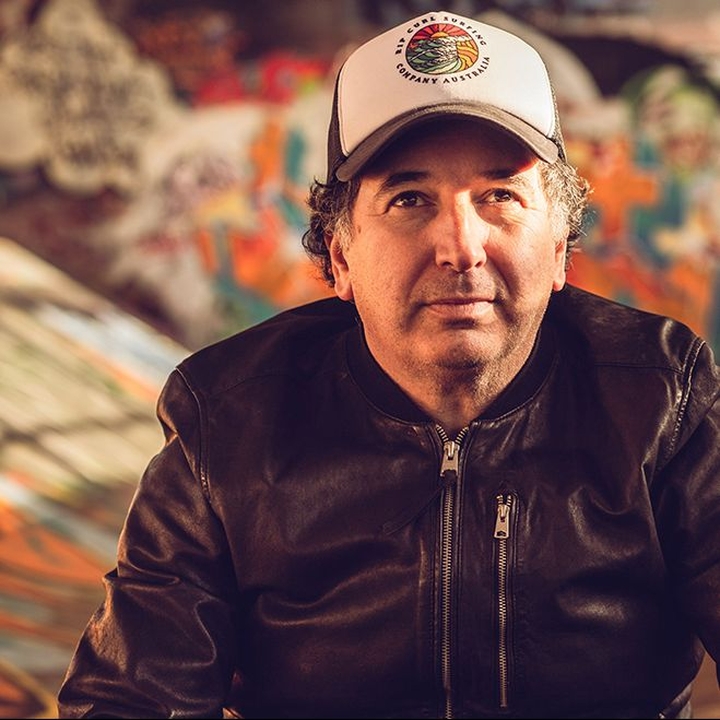
Aston Harvey is a producer, DJ, and one half of The Freestylers — the London breakbeat duo behind We Rock Hard, "Push Up", and a string of dancefloor anthems that defined the Big Beat era. From b-boy roots in 1984 London to touring arenas with Lenny Kravitz and landing on the Zoolander soundtrack, Aston built a career at the intersection of hip hop, rave, and electronic music.
With a new collaborative album Enter The Sound alongside Dub Pistols dropping in March 2026, The Freestylers' story is far from over. Aston continues to DJ on vinyl, produce on vintage gear, and carry the legacy of one of electronic music's most beloved live acts.
Short-form highlights from the Freestylers conversation. This is a good format for search and social discovery: people can find the episode through YouTube, then land here for the full interview, transcript, and links to the platforms.
B-Boy London to Big Beat Pioneer
Intro
All right, welcome to another episode of the DJ's Journey. My name is Deckard and I am very pleased to have none other than the Freestyler's one and only Aston Harvey. Welcome.
How's it going? Thanks for having me.
It's a pleasure, absolute pleasure. Excited to talk through your history. You were one of my very, very early influences before I started DJing. So without any pause, we'll just jump right in and ask you what music was like for you growing up. What was music like in your household and what were you listening to as a kid?
Yeah, no worries.
I mean, I think I think that's what I tell a lot of people like your first kind of sort of introduction to music is what your parents listen to. And my dad was into like real rock and slight 60s, 70s rock and roll. I wasn't really into that. But my mom was really into cool music. She had I remember she had Stevie Wonder album in the key of ease. Yeah. And she had some Bob Marley Best Of and some other stuff. And then I remember also sort of late seventies, there was those disco series called Stars on 45, that was it. Which was like a mix, some of it was like a mix of disco. It was like the first kind of mega mixes. So it was like a mix of all the big disco hits and also big funk hits as well, like up tempo clubby funk hits. It was called Stars on 45 and it was kind of editing.
yeah, yeah.
Right.
Growing up: Stevie Wonder, Stars on 45, and early record-buying
I didn't understand it, I just kind of liked the music. So yeah, so I was kind of more into what my mum liked than my dad.
Right on. Well, yeah, my dad was listening to, God, I think, what was it? It was more like 50s music, big bopper, kind of trying Richie Valens and stuff like that. Yeah, yeah, yeah. So you were this Stevie Wonder, so this is, what year range is this?
yeah yeah Bill Haley in the comics or something like that yeah yeah
Oh, this is sort of probably like late 70s probably. But the first ever record I remember buying, was two, was like, yes, you said this place called Woolworths and they used to be the ones that sold the singles or the records. It was kind of before all the big record shops like Woolworths was the place to go. And I think that's what they used to base like the national charts. If you go to Woolworths anyway, I remember buying
Thanks, guys.
Right.
Don't Stop the Music by Yarbrough and People. And I like that record simply because at the end of the record is like this high pitched, sounds like Pinky and Perky sort of joining in on the chorus. So I kind of liked that and I was really young at the time. And also there was a group called, Ian Jury and the Blockheads and they did a song called Hit Me With Your Rhythm Stick. And I just liked the lyrics, you know, so. I didn't really comprehend music. I was really young. I just liked it. You just like these sounds. But they were the first, I remember they were the first records I really, really liked. But then I think because of, parents weren't like, they didn't use to listen to music at home. It was more like in the cars. It was more like radio stuff. And I didn't really get into music really until I was like 13, 14.
Yeah. Yeah.
B-boy electro in 1984: Herbie Hancock, Rocksteady Crew, import records
properly with the whole birth of the whole kind b-boy electro stuff. That's when my journey into music really started. I remember Rocksteady Crew that might have been slightly before that or around that time, but it was like 1984 when I really started my musical journey.
right, right.
It seems to...
I was just watching a video from Grandmaster Flash in 1983 and he was showing how to do different phrase scratching to use the beat of Billie Jean or something like that. It's interesting to me that so many, you're kind of the, along with Simon Shackleton and Lee Coombs, there seems to be a common commonality between a lot of you and that American hip hop really jumped over.
Yeah.
very early, very early. I don't think, you know, I was in America and I don't think I really started taking hip hop in until maybe like Beastie Boys and Run DMC. I went and bought their records on the same day when I was, I think I was 16, know, 1986 I think it was. So it's interesting to me that it jumped over the pond so early and was so influential.
Mm, mm, mm.
Oh, yeah, totally. think, yeah, I think I think B-Boy Electro is like more popular, like in Europe than it was, than than maybe the States. I mean, obviously, it kind of grew out of came out from East Coast, like New York, I guess, and the Bronx. And you heard about these places, didn't know, you know, you're a bit young at that time. So like, you can Google it then there was nothing else. No, you kind of have to look on an Atlas, get a book.
Yeah.
Right.
Yeah, but they had like, like Roxy Crew had like a chart hit with Hey You Rocksteady Crew. Also, Herbie Hancock's Rocket was really big. And I remember, I remember it was about 12 years old at the time and seeing like videos of this weird live show, but it looked like nothing I've ever seen in my life. It was completely like mind blowing. For that, you know, and it was like,
Yeah, yeah, yeah.
Yeah. I remember that it had like Herbie's show had all the robot legs and everything. Yeah.
Yeah, it had the robot legs and it had DST doing like, well, at the time, I think it was like the technology to have, I don't think it was Bluetooth, but it seemed like he didn't have a wire going into the mixer. So there was like these wireless headphones, standing there really cool, just glass, you know, just didn't really know what he's doing apart from just doing some sort of mad sounds, which obviously was scratching.
Right, right.
Yeah.
I think that was the first thing, I remember, because I used to go to a private school in England and in private schools you come home like every other weekend, you have to stay at the school and stuff. I remember coming home for like a half term holiday and my next door neighbor, my best friend was playing this music in his yard in the front and it was just like, what is this? And they were doing all this like mad dancing and obviously it was like. breaking and popping and stuff. I'd never seen it like in my face. I was, oh, that was it. I was just hooked. I was just, and then from that period, you know, like 40 odd years later, it's like, I'm here still, you know, from something that kind of just got into my system then just took over, you know, it's quite mad from a young age, at that young age being into.
Right.
Who else were you listening to at that time? What hip hop artists were crossing over?
Well, so I kind of so I think the first thing I had was like, renegade, renegades by by Afrika Bamba and the Soul Summit Force. And then then I probably like probably found some other records. So looking for the perfect beat Planet Rock. Then then in England, we were very lucky because obviously buying import I was 14 15 at the time wasn't really buying the records. But
Yeah.
someone started had this idea to get all the latest cool electro records and make a compilation and they did a series called Electro 1, 2, 3 by this guy called Morgan Khan started off this company called Street Sounds. He actually did the big concert, was like first big hip-hop concert in about 1986 and all the artists that were on these records came and did the
Right.
a show at this big arena called Wembley Arena. did an all day there. I think that period was like a really important period and that's when it all took off. And yes, like back to all these people you speak to, all the Brits that are still making music or were making music back in like the early 90s, everyone was saying we're all inspired by this period of music and sort of it's carried on throughout our lives really.
yeah. Yeah.
Right.
being inspired by that music.
Were you, so did you get into breakdancing yourself? Were you kind of getting into the b-boy culture behind it?
Yeah, I see like breakdance as well. I've got my gilet on. Yeah, I could do backspin. I was never that fixed. I could do like the basic windmills, but then I was, yeah, and I could do a bit of footwork and popping and stuff. used to go around with some friends of mine. They were like really good at it. So we had a little breakdance crew and yeah, it was good fun. But I really enjoyed, I was like,
Can you still do some, you got some robot moves, you know?
Yeah.
Yeah, I was a bit shy as well from the dancing. was just like... But I was really, really into the music. The music just took me. That was my thing, really. then, yeah, you know, obviously, then I was hearing these certain noises and scratching, and I wanted to know what it was, and then I wanted to do it, and, you know, it kind of just kind of transpired from that, really.
Yeah, very relatable, very relatable. I was always more comfortable behind the decks.
So at what point was that then where you kind of took the plunge from, know, like what was that? Was there a particular time you remember?
So, yeah, well, what it was, was like really, I said I was really into the music. I started buying records, only just bits and bobs. But then, and then a friend of mine said about doing like discos. And I said, yeah, it'd be good to some extra pocket money to buy these records. So my mum, I was very fortunate, my mum took me to this record equipment shop and I said you know I want these decks blah blah and they would show me the decks that were just you know the all-in-one the old school like two decks and the mixer was it wasn't like how you how we know it for turn tables you know so it's a setter and I said no I want I want the decks that the hip-hop guys use like I've seen on top of pops and they go all right so it took me to the back of the shop and there was this light beaming down on the deck
Great.
Getting the first Technics 1200 and starting to DJ
Yeah.
Technics 1200 and was like at the time it was like 250 pounds so what's that? Back then it might have been like $400 with the exchange rate yeah which probably in 1986 was a lot of money. I was thinking what? Anyway fast forward a few months later I got a summer job I think it was like you know to get a summer job and we'll buy you this setup so I got a summer job.
Yeah, yeah.
And I was very fortunate. I was like the first one in my neighborhood to have the deck. So my friends would come over and we would jam at my house and we were kind of emulating what we're hearing. had those, I was buying the Ultimate Breaks and Beats albums, like two copies at the time. So I'd scratch up all the breaks that you know, you know, just like emulating what you what we're hearing. And we recorded it on cassette in my room. And then I and then it kind of changed. I said,
Right.
you know, we should go and do this in a studio properly. And that's kind of when it all changed really. That's when my music career took off.
Were you musical otherwise? Did you play any other instruments? Were you very music-minded in school?
Well funnily enough, I learned to play piano at the age of eight because no one in my family were musical. It's quite hard to be inspired and I was very lazy and I remember having so many different teachers. I'd have a different teacher every year at school because I'd learned piano at school and instead of learning the pieces we were supposed to be learning, I'd just make stuff up.
Right.
Piano lessons, dropping out, and getting a studio job
And then at the age of 16, I stopped, I said, I don't want to do any more lessons. And then two years later, ended up in the music industry. So whatever I learned helped definitely. And obviously I play better now than I really, so yeah. It definitely helped. I think it definitely, whatever, subconsciously, it definitely helped. I understood about keys and sort of arrangements and, you know,
Help pave the way for coming up with chords and things.
The basics, the rudimentals of music, which I think is quite an important thing, which kind of nowadays is a bit lost.
Yeah.
Yeah, right, right. So when you were going from that, beginning to dive in, I assume at some point, like when did you actually start playing out or, you know, did you start like throwing your own parties or did it just kind of, you know, grow?
No, yeah. so round about, I remember, yeah, when I was about 17 or 18, I started putting on some events like, my next door neighbor owned a wine bar in the center of London. So was a really good spot and he gave it to us, like on the cheap or free, I can't remember now. And we charged people at the door. He was happy because he had people coming in that weren't really normally coming in. And I did a few parties. And I thought, oh, this is too much work. I just want to just DJ. just want to turn up and just DJ. And then but then what happened was that I got this job in working in a studio and I didn't really have time to do these events. I was just always working. So, yeah, kind of just went in a different direction.
Were you like, we did it start starting off like as an kind of like an assistant, like just helping out wherever it needed to help out or what were you actually like working?
Well, I mean, back then, only way, yeah, well, back then it's like the only way of kind of kind of learning. yeah. So what happened was, I started going to this studio, as I said, because I said, you know, to my mates, let's go to studio record what we're doing properly. I didn't know what it was all about, but I found this studio in southeast London, a place called Broccoli, and it was in a it was in a bedroom and it it didn't feel intimidating at all. was just, was in someone's house and it just felt right. And they had loads of other people who went on to be successful. They're still quite successful nowadays. The guys themselves who own the studio had some big hits in the early nineties. So it was a really good musical hub. So I was going there as a punter and it turns out I was friends with the randomly, I don't know how this guy was going out with a girlfriend, but I knew a brother, I knew the brother, but they were from completely different opposite sides of London. Anyway, we kind of bonded on that. And this is when I was using the studio. And then I was at school doing my higher exams. I just, wasn't focusing. I just wanted to do music. And they, said, look, I want to leave school. And they said, well, would you like to come and work for us? I said, yeah. So I kind of end up working for these guys because I just knew trying to get into the learning the whole production side of thing was either, I say now that there wasn't YouTube, there was either becoming a T-boy in a studio. Because back then it was like big recording studios. There was so many bands, even if it was bands, it'd be solo acts in just big studios.
Yeah.
you know, the whole the the explosion of technology hadn't really taken off then. So it was either work as a T-boy in a studio or or kind of go to a college. There wasn't many musical colleges back then or just somehow get lucky. Anyway, I got lucky and I started working in the studio. I learned how to use the equipment in my downtime. One of the guys showed me and I kind of just played around with it with everything and. eventually you get better, you know, the more you do it, the better you get at it, you know. Obviously music, I was going to say, sorry to interrupt, was going to musically, I definitely had some kind of aptitude. I had this like thing of I knew what I wanted to achieve. Yeah, yeah. So I definitely that's what they liked about me. They definitely could see I had some kind of attitude towards it. It wasn't just like chanting it was shit.
Right. So did that lead up to?
Musical musical brain. Yeah
Blax Posse, Fresh Records, and learning production from the ground up
Yeah.
Right. So that leads up to, if I have it right, blaps, posse.
Yes. that's yeah. So basically, I was going to the studio when I was when I was going as a punter, the studio, the guy that kind of taught me his name is Michael, unfortunately, he's passed away a while ago now. He was an engineer for this guy. These guys called dynamic, dynamic governors who went on to become blacks posse. what we formed Black Posse and he was going I was hearing this music this guy Jason was doing and it absolutely was blowing my mind and I was, then I a couple of times this guy Mike couldn't do the sessions and by then I was kind of I was still up and coming and learning but they put me in a studio with this guy Jason and we got on really well and I and then eventually we started working together and because he came up with the He had dynamic governors with somebody else. We started doing the name Blaps Posse basically, because I think the label was Blaps. He called the label Blaps Records. He was putting his dynamic governors music on. So Blaps Posse was incorporating more of his mates and the crew. yeah, and that's how that happened really. So we met at this studio. It was called Noisegate Studios. It was owned by these guys called Double Trouble.
Right.
Right.
yeah, yeah, Double Treble, right, Which was Rebel MC. That was kind of my, yeah, yeah. That was one of my, in fact, I can't remember what your Rebel MC was, but.
That's the right, yep, yep, yep, yep.
I was like suburbs white kid who liked pop music, alternative hip hop, and some of the music coming out of UK was really interesting to me. I kind of missed out on that rave scene, both in the UK and US, other than what I just read about it. I wasn't cool enough to be going to underground parties. It was just kind of out of my purview at that time until later in the 90s.
That's like night, yeah.
Yeah
Hmm.
What was that like for you then? you starting to make music and I assume you're probably going, going, being. So, yeah, so what was that? What was that? That scene there? Yeah.
Yeah, well that's that's so I yeah I started making music, well, it's like I started, I started and was around the whole birth of, you know, kind of dance music culture, because it totally exploded in the UK. And I was making these, you know, early rave records, experimenting, acid noises, sped up hip hop, ravey sounds, like influenced by European noises.
Yeah.
It's like a real, that's the sound of rave basically. It was like the influences from America, Europe, UK, fusing everything and everything together and just creating this like mad collage of music for, and obviously it was up tempo. A lot of it was up tempo. So it's kind of made people dance more than, than, than, than, than,
Right, right.
Right.
than, you know, slower, slow hip hop or something like that. That's why we sped up the beats. A lot of times as well. like, I tell people like the technology, it kind of what happened was like the first sample I was using, had something like, it was like eight seconds of something like you could sample one sample, and you could get eight seconds, or you could split it up and you could have two samples, four seconds.
Yeah, right.
So on, yeah. So you'd put the, you'd get your import, because I always used to buy my hip hop records on import. Much better quality, plus you could put it at 45, because they were pressed at 33. And it sounded really mad sped up. So you put these beats in, you put, was like plus eight on the turntable to get the beat in so you had enough time, you know. So yeah, and I think people cotton on to that. And that's why it kind of. took off really. obviously at the time, like, 88, 89 was the birth of the whole like acid house, Chicago house sort of thing. so you had that music fused with what we were doing, like housey sounds, fused with like hip hop sounds. And again, yeah, that's what kind of was the birth of the whole rave set.
Were you in or around London at that time?
Yeah, I'm born and bred in London. Yeah, yeah, yeah. I was living in London, yeah.
Okay. And then, so probably, and I guess around the time then that you came to form the Freestylers, was that also right in the time of that kind of Thatcher crackdown on raves as well?
No, no. Freestyle was like... Before Freestyle, I ran out at the end of 86, myself and Matt. So there was a big period of... No, that was... Sorry, 96, sorry. Not 86, 96. Yeah, no, that was like... Because the thing was, was all the crackdowns, was just due to health and safety. know, thousands of people turning up.
eight. Okay. 96, yeah, yeah, yeah.
no ambulances, no police, no, you know, as people go get sick, what happens, you know, I mean, now, you know, back then it was an illegal rave. Now it's there. They're called festivals, you know, there used to be this massive rave organization called rain dance and you turn up and they'd have a huge, you know, circus tent, thousands of people in there. They do it. The best ones were in summer because mind you, UK weather can be a bit crap anyway, even in summer.
Yeah.
Yeah, yeah.
most times you've got it okay. But yeah, but now, you know, they say nowadays it's called a festival, but there was a right and illegal right. But they were not, you know, they eventually, they eventually became legal. People realize, you know, it's like, I can't remember. Yeah, I think, you know, if you have someone, there was a lot of drugs around then. So a lot of people could be sick. I don't remember much because a while ago, but yeah, I guess.
Right, right. Yeah, I'm not I just
Yeah, yeah.
That's what it was, know, I think because it pleased properly, there was no ambulance, no fire service. Health and safety was wasn't really.
Yeah, well, I remember seeing some articles like on NME or Melody Maker and showing these pictures out on the countryside, Spiral Tribe or this or that, and talking about this party that's just going on for days and they not leaving a farmer's property or something like that. So it makes sense to me how it had to evolve.
Yeah, yeah
Yeah.
But so, so, oh, good.
Yeah, certainly. think the first...
I think the first real rave, like outdoor rave I went to, people were parking on the freeway just to get to a field somewhere, know, was highly illegal.
Yeah.
know, people are gonna want to party. They're gonna want to celebrate. We know that. Tell me about your forming Freestylers with Matt and what was your guys kind of musical relationship like?
Meeting Matt, forming The Freestylers, releasing "Drop the Boom"
Okay, so, so, yeah, so I, you know, as you mentioned, I was making my first sort of production artist name is Blatt's Posse. Then I started working with various other people when I was programming and helping sort of other acts with their productions. And I got a scientist label called Fresh Records and Matt and Andy, Andy's Plump DJs.
Mm-hmm.
They had a group called Strike and Strike had this big hit about 94 called You Sure Do. It's like massive everywhere. so, and we were all signed to the same label and it was a bit like a family. I didn't have a studio at the time. So I was using the studio owned by the record company and they had one big setup and a small programming room. This is where we first started making the freestyles records in and got to meet Matt and Andy. Matt was a bit of a fan of my Blax Posse stuff. We started talking and he said, oh, I'd like to do a record with you. And one thing led to another. And we started working on ideas together and released our first ever release was called Drop the Boom, that's it. And we just released the late, we put a white label, the record label to the white label for us.
Drop the bill. Yeah.
And it did really well and then we did an EP and then that did well and it kind of snowballed. And then we started making more and more tunes. then we had a hit record and a live band came together. It all kind of blew up all kind of very quick. And also the music that we associated with was part of a scene called the Big Beat scene. Although our music was really...
The Big Beat era and We Rock Hard — hip hop, rave, Soul Sonic Force
Yeah. Near and dear to my heart.
Yeah, although our music was, I hate using the word, a bit more urban than what most people associate with the Big Beat thing, but we were sort of lumbered in that sort of pocket hole, know, pigeon hole of being in the part of the Big Beat scene. But it was good because there was like loads of really good creative artists. It was good fun. It was something different. people kind of stopped liking house music at the time. And it was, you know, it was kind of quite a big thing. But we were just doing a
Yeah. Yeah.
We weren't doing it because we were kind of calculating, we need to make this kind of music now. We just like that music. I went back to making the music that I really enjoyed making, utilizing all the elements of the music I had been making to put into Freestyle, if that makes sense.
Right. No, well, and I'm not just saying this to butter you up, but We Rock Hard, your album that came out, I mean, from start to finish, it is just, it's a very on point. It all fits together really well. know, B-Boy Stance and Roughneck and Don't Stop. And like you said, you know, it infused those elements of hip hop and you've got MCs on there. You've got, you know, some
Mm.
some sirens or that, you've got a little club or rave sound, you've got a little hip hop sound, you've got, you know, big beats. it just really kind of came together, you know, right time, right place. And I, just, I just listened to the whole album, you know, a couple of days ago and like, you know, it's still all just works. It still sounds great.
Yeah.
Alright. Thank you. Yeah, I mean, like that album was a total blueprint for the music that I grew up listening to and loving and trying to make similar music to the, you know, being inspired by all these amazing types of music and artists that we grew up listening to. And that all went into re-rock hard really. And obviously we were very lucky to work with Tenafly and Navigator. to kind of gel the whole album together. They were the only, I'm trying to say, I know it well. We worked with Soul Sonic Force, which was an amazing moment for us. That was through Arthur Baker, because we did a remix for Breaker's Revenge for him. And he kind of helped us getting hold of one of our early heroes, Soul Sonic Force. So yeah, that's how we got to do, that was the title track to the album.
Right.
Yes. What was that like as you and Matt were coming together and working on your ideas? What was that like? Did you consider yourself like, were you DJing out a lot at that point or were you more of a studio producer still?
Mm.
Going live: building a 12-piece touring band
Yeah, we were DJing out quite, yeah, were DJing, Matt was DJing a lot more than me. I don't know if just happened to be that way, but we were DJing out a lot. And at that time as well, I started doing, so what happened was the label, Dave who owned the label, he suggested, why don't you do this like as a live band? This will like somehow make it even bigger. So we kind of planned how can we make a live band out of some electronic music with what we do. And experimenting, you know, it kind of worked. and there was a lot of people, it was about, I think it was about, at one stage, it must have been about 12 people touring. So I was doing a lot of the live band stuff. So we were doing like big festivals, we were doing club shows. We never got to do arenas because we weren't in that big club.
Opening for Lenny Kravitz and touring the US
Yeah.
We're doing lots of club shows and festivals. And then we obviously got signed in America and we were doing lots of touring over in America. Where actually, when we actually toured Lenny Kravitz, we actually were doing arenas and big, big shows, but not, we weren't doing those as solo shows. But that was, yeah, that was great. So yeah, Matt was doing more of the DJing, because I was doing it on tour with the band.
Yeah.
Right, right, right. But then, what was?
Right. What was that like for you going from, I'm working in studios, slowly making your way up to now I'm sitting here formulating how to do a band, which seems pretty daunting, but it sounds like you just kind of went forward with it. I mean, did you find yourself sitting there opening for Lenny Kravitz just going, I made it? Or what did it feel like?
Yeah,
Yeah, know. It's all, no, it was all, I just, I was, I was just embraced it all, you know, obviously I was a lot younger. just, I was just loving it. I was living my dream. It's like, I wasn't even thinking about money. don't even, I think we lost loads of money anyway, but I wasn't even thinking about the money. I was just thinking like, this is just the most amazing experience. I'm being paid to go and travel to America. I'm having fun. It's like, it's like one big, it's like you're like not really doing much, but just,
Yeah.
And when you go on stage, it's like for half, well, the Lenny Kavich show, I we were only on stage for like half an hour, 40 minutes. But, you know, it's just like this, like just mega fun. It was just brilliant. was just, you know, touring around America and various other countries. was just brilliant. I was just kind of just wrapped up in it, just enjoying the moment really, living for the moment.
One of my regrets is... I think it was in 2000 you were touring the US 2000 2001 maybe and for whatever reason I think you guys were in the Seattle area like on a Thursday night or something and for whatever reason I didn't go to the show and and all I heard about from friends who did go but they had b-boys and you know just it was a whole show and I was just like I didn't so I still go back and you know like I look up some of your YouTube know sets from some of that time to just you know see what your whole
Yeah.
Hmm.
show was like that and you know, yeah, you guys you guys were really, you know, a full outfit.
Yeah, it was a proper full-on band experience. I didn't even pay attention to how much it was costing. Because then it comes out of your pocket. But I was just thinking, well, you're doing a show. You've got to invest, and then maybe bigger things might happen. It's like all these big acts.
Right.
Deadmau5 when he first started off, know he didn't even have a helmet and then he made a little shitty helmet and then you know next thing you know he's you know he's got a million pounds worth of lights and visuals and whatever and then and you know and he's getting paid you know and lot of those acts that happens but it never quite happened like that for us but at least it was a really good show yeah it was putting on a show people used to love the break dancers and
yeah, yeah. Yeah.
Gear, yeah. Yeah.
It was just really mad seeing a band, live band, electronic live band come out with break dances. But you know, it was part of our heritage, so it was important. And I think what happened was in America, they really liked us because we were from the UK, we were from England, our sound was very UK centric, wasn't trying to be American, it was just like, it was its own thing. So...
Yeah.
Yeah. But obviously, influences you were there, which I guess that was cool, is that you guys are giving it a fresh, fresh modern take.
Oh yeah, that's right, that's right. Yeah, that's what it was. Yeah, it was a complete twist on everything, our own tape on it.
Pressure Point, Raw As Fuck, and Push Up — the hits and the crossover
So you then, you put out, see, Pressure Point came out and a few years later you had Raw as Fuck and you hit it huge with Push Up, that worldwide smash on that one, right? One thing that Renny, you know, I was talking to Renny last week and recorded a conversation to come out soon and he noted, he said the same thing about you with like that early rave sound and know, sped up hip hop and et cetera. And he talked about
Mm. Mm.
kind of the, I don't know, the wave of breakbeat, where he kind of ride the wave for a while, big beat, and then it kind of receded. And then there was a, he got another big hit or something, and he kind of brought it back again. What was that like for you then, where you're doing the band and maybe not worrying about money? Um, what was that like for you on the, business side as you're becoming, you know, a known artist and being established and Fresnova records you, I believe you're a part of,
Well, no, wasn't even like that. Fresno was not our label. That was nothing to do with us. We've never actually had a label as such in past few years. Fresno was owned by this guy, Dave, who owned Fresh Records, Dave and his wife Vicky. The Raw's Fuck album and the Adventures in Freestyle album came out on Against the Grain that was owned by
Okay.
that's right. That's Crappy. Yeah.
crafty cuts about really like this guy Lloyd Seymour, who was a school of thought. And so, but we, you know, I don't know, we kind of just wanted to make the music, someone else put the, do their thing and you know, so it kind of, we're, you know, it's like a Formula One team. Everyone has their, you know, that's what the team, we make the music, someone else does that bit, someone else does that bit. But Yeah, we were, to be honest, back in the day, we were never really managed properly. So as I said, it's just like, I didn't know what we were spending. I was just like, yeah, yeah, yeah, yeah, yeah. I never got, I don't think I, well, I don't think I ever saw a bill for it. I think someone's, I was just, someone said, you know, like just flippantly, it's going to cost X. And I said, yeah, all right. It's just like, whatever, you know, I didn't really think about the subs, you know, the consequences. Not that there has been, not that there's been mega consequences.
Right.
But you know, it's like, because it's not like it was worth it because it was a little bit of a success. It wasn't a total disaster.
Right. Right. Well, it's always got to be a little bit tougher. seems like, you know, on the breakbeat side versus like house or something, you know, like the.
yeah, no, totally. somehow, freestyle, a lot of, obviously there's that, you know, a lot of people have been confused, a lot of people get confused when I say, my artist name is Freestylez and they go, I love that record for Freestyler. I said, no, that's by these guys called Bombfunk MC. Bombfunk MC, now that's been the bane of my life since they ever released that record. But. But the thing is, don't know, somehow, because we have had chart hits, out of all the breaks artists that still going, we're the only ones that had chart hits back in the, know, from like B-Boy Stance, Roughneck, and obviously Push Up, and then more recently, you know, Cracks, although it was like a massive underground hit. It's still millions of hits. I know was a remix someone did. That did really well. somehow we've been on the fence. So a lot more people kind of know us. I I turn up some places not knowing. think, how is anyone going to know who we are? And then it turns out people know who we are. obviously, we've done something right. Yeah, so we seem to, I guess, be at the top of what we're doing.
Yeah.
And you also...
even though it's like a small, small scene.
Right, right. Well, and I have to imagine, you know, when you get a hit like Push Up, I imagine that has to kind of raise you guys up for a while in terms of bookings and things like that, like worldwide, I assume.
Yeah, totally. like loads of shows doing like maybe even sort of more mainstream stuff, you know, which is good. I enjoy doing the mainstream stuff. Can't shy away from it. And just was really, really during that period doing like these big, like we won some awards, like we had, there's a, it doesn't exist anymore, but the, in Holland. or Belgium, they had the equivalent of MTV and it was called TMF. We did this huge award ceremony which we won a couple of awards at, know, so like, let's off and say something stupid, you know, whatever, be like a proper rock and roll star. So it was good fun, you know, as said, it's good fun. So I guess I've been lucky in that respect. I've had records that have crossed over and have been used in like pretty successful movies like. Zoolander, you know Zoolander is one those classic comedies, still gets played, you know, still be played in long many years to come. So, and I've, you know, had tracks and commercials and stuff being used. So it's, as I said, we've been lucky that we've been able to.
Yeah. yeah. Yeah.
to stay up as high as possible to look for what we're doing.
And on the creative side, did you find your sound has evolved and changed over time? I assume, I take it that's probably just a natural process of just your own, what you're interested in as an artist?
Evolving the sound over the decades
Yeah, you want to kind of you want to put Yeah, just want to push yourself. Although I do find I do go back and do a lot of people say, I like why don't you do that? I like that. You can't always just do what you know. You can't always just please, you know, that expression, can please some people some of the time or can't please everyone all the time. So
Yeah, yeah, yeah.
But the last album we did, Other Worlds, was kind of a throwback to kind of We Rock Hard and The Roars Fuck Out, the best, you know, the two most successful albums of ours. you know, it really stuck a lot of people really feeling it. old fan base really, really liked it. So that kind of was good that we kind of nailed the old sound. But yeah, you're trying to push yourself. Technology is... moved on. mean, I actually still use, I'm not afraid to say it, but I actually still use Logic 9 and on old G4. And like, I know that you're using Logic X, but like, I've got so used to it. I just don't want to, you know, it's just like, I'm going to do the same stuff on the new Logic, then I'm going to do in, that I can do now. I mean, I have used Logic X and it's just, you know, newer plugins and
Right.
knew this and the other, don't know. I think of doing music is like you're painting and that's my easel and that's my own. I'm not trying to, and then I can't copy anyone. I'm trying to be original as far as can be. And that gives me my own sound as well, guess. Yeah. Which is the most important thing.
I think there's something. Yeah.
Finding your own signature sound is the hardest thing in music because what's going to differentiate you from this person to that person, if you're a vocalist, it's generally your tone in your voice. Plus you're going to work hopefully with some good producers and have some good songs. But that's what distinguishes you as a producer, making dance music differentiates you from... what makes us different from the chemical runners or the project. Everyone has their own sound, know, that's they do. And that's, that's the hardest thing to get. So when you have got it, it's good to stick with it.
Right, right. You made me think about watching Fatboy Slim with his old setup. He went, I don't know how, this is probably, but he loaded up the old thing. said, goes, we were so constrained by the technical aspects of it, just like you said, you could only sample for so long and you had so many limitations, but it really pushed you to figure out how to make the most of it and how to.
Yeah exactly.
Yeah, yeah.
I don't know, fine tune it rather than sort of like, I've got everything at my disposal here technology wise.
Counting bars on a reel-to-reel: why limitations make better records
Yeah, that's it. mean, I back, you know, we mentioned about the blacks possible. So we had this track called I think it was Buss It or Don't Hold Back and we'd run out. It was only like eight channels, the cassette, the reel to reel. So we had to do the scratching live onto the mix. So there's quite a few takes, but it's a genius and counting the bars on the day because you didn't really have you couldn't arrange it like you can now, like on the computer. from what I remember, was just loops, you had your beats, your bass, and you'd be counting bars and doing the mutes on the mixing desk. But it kind of just kind of had its own vibe, you know?
Right.
And introduced, I guess, some human elements to it too. You probably had some little, you know.
Yeah, that's it. yeah. Yeah, a lot of music nowadays is just made a bit robotically, I think.
Right, right. And so and if you have, stayed together through all this time.
Matt's exit and the new Freestylers × Dub Pistols album Enter The Sound
Yeah, we're still talking. Yeah, we're still on good terms. Matt, quite a long time ago, he's like a full-time psychologist though, and sort of doesn't do that much music. And actually, I have a, there's gonna be a new Freestyler's album out next year in March, which is a collaboration between Freestyler's and Dub Pistols. Matt actually didn't work on the album.
Yeah, still tight.
okay.
amazing.
It's just me and Barry from Dub Pistols. happened was I produced on his last album, produced like five tracks on their last album. And we're kind of managed by the same person. And he said, well, why don't you just do an album together? So that's how that came about. I'm really excited about this new album. think it's really, it's a proper like throwback to
Yeah.
I don't know, again, it's like, I think it's the best album we've done since the first, like Raw As Fuck or We Rock Hard. It's better than the last album we did. There's a lot more reggae elements, obviously Dubb Pistol's a lot of reggae elements, but it was great to work with, we some great artists on there, some well-known reggae artists featured on the new album. But yeah, but Matt wasn't actually involved.
Right.
in this album. But then also we've done this with we started this other project quite a years ago called Pirate Jams, which is kind of like 90s rave and house and something like along those lines. And we have had a few releases. And we've actually done an album under named Pirate Jams, which we're waiting for to come out. So he was involved in that. But he you know, he's, he's, yeah. Okay. So there is an album coming out.
I know I have at least one of those Pyrojam records. So is that awesome? Is that album with Barry, that going out under Freestylers or is that going out under a different collaboration name?
Yeah, well, it's the Pistols and Freestyle album. That's the artist on it. The Pistols and Freestyle. And it's called Enter the Sound.
awesome. All right.
In March. All right, well, you're giving us a big heads up on that. So, yeah, that's definitely exciting and and.
Yeah, yeah. Well, it's going to be starting. They're going to be starting to do promo on it very soon. Barry does a festival every year called Mucky Weekender. was just this week. And we did posters for the artwork of the album and like a barcode for people in pre-order. So they're going to be starting doing the whole pre-order process where we've got our first single being released, I believe, like the 10th of October from the album. So.
Awesome. Amazing. All right. Well, we'll definitely be. And Barry is the one. He's always been on my radar as well. Been a big fan of Dub Pistols for a long time. So Barry, if you're listening, I'd like to have you on the show as well. So can you fix it for me? All right. I would love that. I'd love that. So I'm curious, too, then. So were you part of, I mean, from being in Seattle, which was not
I can fix it for you.
really big in electronic music. We could get some artists coming through. They're pretty big for house music and obviously there's a big alternative scene there.
Mm-hmm.
Uh, and I was always just fascinated and kind of couldn't believe like how much talent, you know, you had all together there, you know, not, not just in London, but in the UK, uh, so many, so, you know, breaks artists and, and, know, Canada and Australia also, you know, seem to have a bunch. So for, for you, know, what, what was that scene like, you know, for, for you as you were getting into be the freestylers and I mean, was it kind of a community thing or what, you know, what was that like?
Mm.
Mm-hmm.
Yeah, it's definitely a community thing. And that's the nicest thing about it actually, when a lot of people start getting on your same vibe and making music similar to you and you're DJing at these venues and you're seeing them here and there every now and again. That's the best thing. It's a bit of a family vibe. You're happy to see people. The thing is we go to one place where the music is really massive. is in Spain, go to lots of, you go to Southern Spain loads, mean, doing a show this weekend, it's like my seventh time this year in Spain. They absolutely go wild for breaks there. It's just mad. And it's been going like this for a long time. I could... like, it's about 2000, nearly, you know, 20 years of going there, you know, and since COVID happened, the parties have got even bigger and better than it's like mad. There's like thousands of young and young kids, because for me, I've always said it's really important you get young people into your music, because then there's hopefully they will make it and they'll make a scene for themselves, which then makes the, you know,
It's interesting.
Yeah.
Yeah.
kind of revitalizes everything and they have a take on the sound, which is what happened in Spain because we were going there but the people weren't making music or the music wasn't that great and they were just learning. Now they're like smashing it. There's some really amazing talented Spanish producers and yeah, and it's just like an amazingly vibrant scene and a lot of young people go to these parties and they absolutely love the music. There's an old school crowd there. I mean, that's the one way, that's the one reason why drum and bass has always been very popular in the UK, especially in the UK, because there's been, you know, generations of young audience. Yeah, that's it. It's just like handed down. Okay. And the next lot and the next lot and the next lot. A lot of the names that were big, you know, Groove Rider, Fabio still going, Adam F, all that lot, know, the Aphrodite and obviously then you've got
regeneration of the audience, yeah.
Yeah. Aphrodite, yeah.
you know, the super groups like Pendulum and SubFocus, you know, they've been going a long time and they're still going. yeah.
Jason status having a huge year last year playing Coachella and all that.
Chase's status, yeah, yeah, Yeah, I think freestylers, what we did was a precursor to what they've been able to do. You know, sometimes if you're too ahead of the game, it's no good. You know, like they say, oh, you're a pioneer. Sometimes pioneers don't, you get the props, but you don't get the funds, you know? It's like, you kind of set the foundation.
Ha
Yeah, yeah, yeah, yeah. It didn't always work out great.
Yeah, you set the foundations for something, but you know, it is what it is.
Do you find you play different? one thing that Renny mentioned about Spain was similar to you. He said, absolutely great scene. But he said the promoters or someone always, they want it to be about 140 BPM. They like it fast. Do you find that as well?
Yeah, that's it. Yeah, yeah, retro. go retro. Play a retro. Play a retro. Play a retro. So you've to play records from 2005. Yeah, they like it fast and furious. It's like, yeah, there's a specific sound. And if you kind of go off it's like, well, they don't like, but they can't, yeah, they're kind of, they're quite, can be a bit aggy, but as long as you stick to the plan, it's okay. The maddest thing is though about Spain. Well, the weirdest thing about Spain,
Right. Start to lose the dance floor a little bit.
is that they will, you'll be playing something and they'll go absolutely mental for about two minutes. And then they kind of used all that energy up and they're waiting for the next big moment. So they might be bopping around for five minutes until the next big moment happens. And that's how it is. They don't dance continuously for, you know, they just go absolutely mental for about a minute, two minutes, just jumping up and down and.
Right.
Right.
and going crazy and then they'll kind of chill out and wait for the next moment, you know.
Yeah. Did you have other areas where your sound either you were surprised it went over as well or like, you know, let's say a Bisa, you know, like does break beat, you know, work in a Bisa?
Well, I beat, yeah, I beat, yeah. We've never, Breaks has never really played, I mean, when I beat the Rocks first started off, my good friend Eddie Temple Morris, who used to be on MTV, then went to XFM, he was doing an alternative room, and the back room at Privilege, which then, which was like the big cup, it's now called universe or something they reopened it and he was doing alternative music in the back room at this huge club privilege which went on to become I think what did I say I lost it now what's it called no no no the night went on and became something else and then they opened up a hotel I can't remember anyway
Universe, is that what you just said?
gotcha.
But it was for alternative music, like alternative. We did a few nights there, that's it. Ibiza's always been house, really. And now drum and bass parties, but yeah, Ibiza's mainly house. In saying that, did play, there's someone that does this event called Step Back, which they do a lot of like old school classic nights there.
Yeah. Yeah.
and they have a lot of the old school rave DJs and lots of older generation people come over to the island for like a week of partying. But this good friend of mine, Graham Gold, he's involved with a club night called Peach and that used to be a massive trance night. There was a guy called Darren Pierce that used to play like breaks and he sort of fell out for a time and I'm good friends with Graham and he said, I want you to be the resident breaks DJ. So when I played, I really enjoy it because I can't play all my reggae. I have to kind of, it's like a more house-sier sound to like breaks I play. Somehow I managed to pull it off every time. So, it, and it works. Again, like I played this, I played this event called Jungle Experience in Koh Phang Ang in Thailand. And it was, was out of season, but normally they just have
Right, right.
You know, it's like house DJs, tech house, trance, whatever, like just fall to the floor. But somehow like 1200 people turned up. This was in June. And I was playing, my, you know, it wasn't just turned up for me, but like I had them going for it. It was really amazing event. And I was playing sort of like my, the breaks that kind of they might understand. So it's a kind of a good challenge.
Yeah.
I mean, I like to, you kind of have to adapt, but also I'm not afraid to play something. You know, I'm not afraid of like, people aren't dancing panic. You know, I don't, I don't, I'm don't, I don't worry. You know, you can, you can get by or like, like to, otherwise how does it, how does anyone find out new music or how do you know if you've done something good or not? You know, it's just like, and then
Right, right, right.
Yeah.
Sometimes as you know, you're well, you know, you make a piece of music and it just goes over people's heads and then sometimes you play it and then more people, it gets released, more people get into it and then there's a bit of a slower buildup. A lot of times, sometimes you can play as a DJ, you you want to play your tune out, have an instant experience, know, instant rewind, you know what But it doesn't happen all the time. So.
Yeah, yeah. Yeah.
you know, or, you know, get woo. Sometimes that doesn't happen. You know, this instant feedback. But yeah, no. So I do kind of just so like going to Spain this weekend. We're actually doing a King of the Beats set, which is King of the Beats is me, freestyles, craft cuts and plumb DJs. And we didn't do any sets and it's a good bit of hype, three big names all in one with back to back. So we're doing this.
Yeah, yeah.
party in Spain next Saturday as King of the Beats and we'll adjust our set.
awesome. And you are you like tag tag teaming them each you play like a couple tracks or you go like a little bit longer and then trade off or.
Yeah, we've done, yeah, sort of like that. Normally like one on, one off or two, yeah, something like that. We have, we kind of talk about what we're play. It's not random. We have a kind of pre-plan. We spend some time planning out. Yeah, you can expect, you know, in Spain, you can't play a set that you play in England. In UK and some other countries like Australia, they like a bit of piano. You know, high as in the air piano. In Spain,
Yeah.
They really like it, they just like it hard, just furious.
No. Right. I only, had a little taste of that, not in Spain, but I went to Portugal to play somebody, you know, brought me out to play and I was playing what I just kind of thought would be good Portugal beach music. know, somebody came over and said, you can play harder. And I was just kind of like, Oh, okay. Okay. All right. All right. Unfiltered. Let it, let it go.
Okay.
Yeah.
Yeah, that's always a good sign. Yeah. That's always a good sign.
Yeah, yeah. That's better than being, it's better than being told the other way. Like, hey, could you tone it down a little bit? Yeah, right, right. Yeah, not digging it. And I was just, I was thinking too about how just how cyclical music is. And just as when you were putting out, rock hard, you were, you know, you were actually taking these sounds influences and, you know, electro and hip hop and things that you had been in taking in the eighties. And, you know, one of my favorite
That's it, you're playing shit,
Um, eras of music was, uh, I, I remember going to, you know, winter music conference in 2006. And, um, that was right when kind of electro clash had been out and it was kind of just turning into electro and hearing, hearing Steve Lawler bring. All of the, you know, what used to be progressive, but now it was like, kind of get, take out some of the trancey elements, add this fat baselines and you know, big kicks to it.
Okay
Yeah, yeah, yeah.
Outro: Enter The Sound with Dub Pistols, out March 2026
Vinyl sets in 2024 and what DJing on wax still feels like
The worst DJ disaster: a jug of gin and tonic and a dead mixer
Near-misses with Black Eyed Peas and other road stories
and still have a little atmosphere, but it was really just way more gripping. And that kind of sound came after tribal and dark drums. And it's funny because just this year I've been hearing a lot more tribal again. And I'm like, oh, we're doing this again, huh? But in my head I'm going, oh, well, maybe if tribal's coming back, maybe electro is about ready to make another reintroduction again at some point, as it is all cyclical. Aston (01:00:14.892) Yes, yeah. Aston (01:00:27.31) yeah, yeah, music is sick. Cool. But I don't know, mean, yeah, it's all treading, somebody make a record and everyone wants to a record similar to that, you know? It's like, you know, when the disco cut up came out, Eric Priest did call on me and then like about a thousand, 2,000 records came out. Well, what disco record can I nick, you know, and just loop? you know, people catch on to it. this sounds a good idea. Let's do our own take on it. Deckard (01:01:05.307) Which at the end, then, you know, like with Big Beat, which, you know, I dearly loved, and that was one of my big influences early on, but it did get a little, a little reductive after a while. It felt like, you know, here's, here's another song taking a similar sample, you know. Aston (01:01:11.086) Soon. Aston (01:01:15.138) Yeah, I think, yeah. Aston (01:01:20.726) I think it's like, you know, the one thing about like house music, drum and bass, it's very exposed either on underground radio stations or, you know, internet breaks isn't, it's got a very, very small outlet. And if it is like, I know like, for example, like Bicep, like their biggest tune is not a four four record. It has a break. I call their music like, it's not break. I call it like, you know, the kind of generic American, the generic word that Americans use is electronica or electronic music rather than, and that's how I describe it. It's not, the music we make and play isn't very exposed. no one, yeah, it's very niche, you know, so that's why again, it's like, well, is it going to be cyclical? I've got no idea. Deckard (01:01:59.366) Yeah. Yeah. Deckard (01:02:12.061) Yeah. Yeah. Deckard (01:02:19.825) Right, right. Aston (01:02:20.13) People are using it, you know, like, I know there's a lot of speed garage being remade now, but like an up-to-date version, and a lot of young people put like a break beat in it, like on the breakdown. So, but it's not, yeah, it's not break beat music as such, so. Deckard (01:02:36.732) Right, Well, yeah, and I always felt like breakbeat, you know, and I would describe it to anybody who was maybe a more house music and didn't fully understand breakbeat. said, you know, house is the one where it's always kind of inviting you. It's kind of, you know, it's nice, it's warmer. It's the like, hey, come on and join. And breakbeat was a little more like, maybe you have to work for it a little bit to find it or to find your into it. Aston (01:02:48.221) Mm-hmm. Aston (01:03:01.646) That's it, I think as well because I've noticed trends for people dancing, like with house music, people do dance, like you see these videos of just people holding up cameras to the big name, they don't even dance. With breakbeat, if you're gonna dance, you really have to kind of throw some shapes, you really have to move. Deckard (01:03:18.45) Yeah. Deckard (01:03:25.426) Yeah, yeah, yeah. Aston (01:03:29.006) It's a kind of high energy music. Drum and bass, although it's a high energy music, you like kind of dancing. You can do it at half time. So it's not like, you're not frantically dancing. yeah, I think, and again, that's why I think maybe dubstep was really popular because people could just mosh, know, they didn't have to do much. You can just nod your head and that would be sufficient. You didn't really have to dance. It's one form of dance music. Deckard (01:03:49.244) Right. Right. Aston (01:03:59.202) that if you're going to dance to it you really have to dance to it. Use up your energy. Deckard (01:04:02.544) Right, Yeah, no, agreed. And, you know, same thing with drum and bass, guess, too. You know, it's like there's, there's, you know, there's, although I think what I would see with drum and bass that I always thought was interesting in the U.S. anyway, was, you know, the kind of common uniform back in the 2000s. you know, you'd see like a guy with like a baseball hat and a hoodie kind of. hanging out near the sides and then kind of like what you were saying, he'd put some dance moves for a couple of minutes and then stop. And then kind of on repeat. So it's interesting to me, know, cause to me, guess, you I always thought breakbeat seemed a little more mainstream if you want to call it that than drum and bass, but it seems like drum and bass is kind of like you said, kind of having its day a little bit more than breakbeat currently. Aston (01:04:50.658) Yeah, mean, so I don't maybe in America, I don't know. You know, on like a lot of commercials, you do get like a break in a record in the the piece of music. So just people just don't recognize it. don't click. And you know, people just follow what their friend a lot of people just follow what their friends do. So, you know, I mean, you know, they you know, like Deckard (01:05:11.12) as its own genre, yeah. Aston (01:05:20.652) I know Vegas is not really to be judged, you know, it's Vegas is like the Ibiza of America, right? So it's like, people just go along to these big parties, have these big, I guess they have some, maybe some underground, but it's generally like the big commercial name artists that they're paying shit tons of money to, to just feed that commercial crowd that want to spend, you know, Deckard (01:05:27.517) Yeah. Deckard (01:05:42.003) Yeah. Aston (01:05:48.95) $30,000 on a bottle of sherm. Deckard (01:05:51.036) Yeah, yes, with drones that come out with sparklers and et cetera. Yeah. Aston (01:05:56.152) That's it, yeah, yeah, yeah, yeah. Deckard (01:06:00.094) So I wanted to ask you maybe about if there was just kind of going back again a little bit. Do you have any anecdotes about making of some of your early songs and working with Tenderfly or Navigator or Soulsonic Force? Aston (01:06:27.278) One anecdote with Senafly, I remember when we were doing, so a friend of Matt's had a studio in this area, Hoxton, was a trendy part of London. And we were doing the track on the Pressure Point album, London Sound. And Senafly turned up to do his vocals for it. And he just couldn't get in time with the thing. It's because he was drunk. So it's taken to a fish and ship shop to like sober him up. And then eventually, after a couple of hours, he was all right. I don't know what happened there. But yeah, normally he was okay. But I think he drunk drunk too many tenants at the time, know, tenants is a beer. I don't know if you have tenants, super tenants. Yeah, like, yeah, it's like a very Deckard (01:07:14.29) Yeah, no, I don't think so here. One too many. Aston (01:07:20.864) Yeah, it's like the kind of, it's a kind of in a can, it's like, it's kind of associated down and out people drinking. Drinking this stuff, super tea, I don't even know if it exists, I've never drunk it in my life, I don't even know if it still exists, maybe it does. Deckard (01:07:30.918) Ha ha ha. Deckard (01:07:44.072) Did you make the song or were you making beats with the idea of having vocals over or was it just kind of this collaborative like, we'll play you some different things we're working on and see what you might be able to do vocals on. Aston (01:07:44.766) I just, actually. Aston (01:07:51.33) Where initially Aston (01:07:57.134) Well, when I, yeah, when I, I dunno, I mean, when I did B-Boy Stance, found the Reggae loop, the Baseline loop, and obviously, just wanted to... Some people in the B-Boy, they were just using samples, and I knew Tenafly from working Rebel MC, and I said, I'll get this guy called Tenafly. And that's how that sort of happened. And I knew his manager, so it kind of went from there. And also I knew Navigated from the rave scene. So initially, actually, so the backing track for Roughneck originally was gonna be, we did a remix for some band and we thought that what was eventually Roughneck was too good to give away for this remix. We need to make that our own song. And then we tried a few different people and then, I don't know. like Navigator was just emceeing for us and we thought, we didn't seem to think, oh, ask him to do the vocal, you know, and he came up with the goods for that. what else, I don't know. I remember, you know, I mentioned like, Turing and Lenny Kravitz, the first show we did was in a part of this, it was when he was doing his American Woman tour. We did a, Deckard (01:09:02.974) Right. Aston (01:09:22.83) The first show was in Minneapolis. And I was standing to the side of the stage. I see this. I see someone walking around, look like, don't know if you, you know curtain nets? Do you have curtain nets in like, I don't know, England, they don't have them anymore, I don't think. Like, you used have these nets that would go behind the curtains of your house, yeah, like these horrible, like really, it looked. Deckard (01:09:49.703) Yeah. Aston (01:09:52.312) creepy anyway and I see this person look like like anyway and then it and I saw from the side it said it was Prince and when he and basically yeah yeah it was basically so they went on to when they did the encore they came on and I saw him at the back because I was on the side of the stage at the back sort of thing I saw Lenny showing Prince you know like they went on and did Are You Going My Way and saw him chatting to Deckard (01:09:59.71) Oh, no. Aston (01:10:21.102) Prince about whatever. Yeah, oh my god, the crowd was absolutely insane. Prince and Lenny Kravitz performing that song. So that was pretty cool. I didn't get to meet Prince, but I saw him from a Deckard (01:10:32.926) That's a highlight though. Aston (01:10:36.524) we actually, actually the funny, touring America, we, we, we, we had some mad moments because we were like doing a lot of touring on tour buses. We did a lot of these festivals. like we were hanging, like when we were touring with Lenny Kravitz, we were hanging, hanging out with Smash Mouth. So I got quite friendly with them lot. then we did one, when we did this tour in Australia called Big Day Out Tour, which was like a massive. Deckard (01:11:05.586) Yeah. Aston (01:11:06.478) and all the bad, I got to meet Beastie Boys and they were my heroes and I was like hanging out with System of a Down. I got friendly with the guys, sir. I don't know you remember, you probably wouldn't remember me now, but on that tour we were like quite pally and we just chatted to each other. I actually went to, just after when they were doing a show in London, oh this is like 2005 now, so. Deckard (01:11:17.874) Right. Yeah. Aston (01:11:34.382) And they invited me along backstage to watch that. But yeah, I don't know, just hanging out with all these different people. And then we did a, I don't know if it still goes on, but we did a show called Weenie Roast, which is a big rock and roll show down in Irving, Irving? Yeah, for K-Rock. So there was like loads of, yeah, there was loads of celebrities hanging around. Deckard (01:11:53.512) K-Rock? That sounds like, yeah, that's K-Rock, so yeah. Aston (01:12:03.042) porn stars and what have you, like just hanging around. Yeah, but actually I'd never really met them, but the guys who were break dancing with us, they became really good friends with Black Eyed Peas before they became really mega famous Black Eyed Peas, know, before their big hits. There was a girl that... Deckard (01:12:04.562) Yeah. Deckard (01:12:11.26) What are those? Deckard (01:12:23.948) right, right. Yeah. Aston (01:12:30.144) one of the break dancers started dating and she was looking at this was before they were like really, you know, before they, were, they were like popular, but back in the 2000s, 1990s, they were just an underground act. weren't like a commercial act, were they? So yeah. Deckard (01:12:43.41) Right. Right. Aston (01:12:50.018) Yeah, lots of stories. Yeah, lots of various things have happened. They still happen. Deckard (01:12:58.13) I can see it in your eyes like, boy, some of these are probably stories I don't want to say on the mic. Aston (01:13:04.142) Yeah, no, no, no real does actually there's, there's one, the only real disaster I've had DJing was once I was playing a friend of mine, he's got his brother to put me in this place called Chelton on it's near Oxford, some town and I'm playing, I was playing CDs. So it's probably looking about 2000 and I think it's about 2008, nine, I was still like yeah, USB sticks hadn't quite taken over yet. And they had the DJ booth and the DJ booth was kind of a bit curved. And in front of the DJ booth, there was like this glass screen and the decks were like kind of an angle. And to the left of me was a lighting guy with a big lighting desk. And so I'm playing the tunes and I'm looking through my CD case to the side. And then suddenly I hear the sound the sound kind of dipped in volume and the club was packed at the time. I thought this was a bit weird. This is all happening very quick by the way, but obviously the way I'm describing it, it probably sounds a bit slower. And then I turn around and I see the fader has kind of, the up fader has kind of come down a bit. I thought, maybe it's the vibration for the music. So put it back up and then turn around looking for this, still looking for this CD. And the same thing happened again. hear the volume go down. think this is weird. Anyway, so put it back up. Then I thought outside, like at the corner of my eye, I see this hand coming over the top of this glass screen, trying to touching like the fader. So I turn around and there's this girl and she's like completely like wasted. And she's trying to grab the mixer and I pushed her hand away. And then she's like really trying to grab it. And then she starts going like, fuck you, fuck you. And then. And then I just thought nothing and then I'm like looking for that. just, you know, the security are never around when you need them. Anyway, I just wanted to get because this girl was drunk. I'm looking for security and I've turned around. All of a sudden I've seen like a tidal wave of liquid come over the over this glass thing. It's gone all over the decks and the mixer all over the lighting guy like sparks are flying. It's just the music. Deckard (01:15:05.915) Right, right. Deckard (01:15:17.054) Yeah. Aston (01:15:27.886) this girl had thrown a jug of gin and tonic over everything. And the music started, I was just drenched in this sweet sickly liquid. Anyway, that was probably the worst disaster. then, oh no, and there's been another time, it's always in that area. Once playing Oxford, I remember playing at like some, Oxford Union Ball or not anyway and at the time was playing vinyls as even longer that's even longer I remember and they didn't even have they had a stage was about that high so it wasn't even it wasn't even like a stage of stuff and I was looking through my records going through the box all of a sudden I the needle go whoo skate across the board turn around there's two guys smashing this shit trying to have a go at each other on the decks they've just pushed over the dead eyes and then again security and everything around when you need them. That's the kind of only disasters as such but yeah. Deckard (01:16:36.476) Well, is your fault. You can kind of do your hands in the air and say, what can we do? And sorry, do you still play vinyl gigs every once in a while? What do you say, like Spain? Do you play old songs, or do you ever play? No. Aston (01:16:40.396) Yeah! Yeah, it's not like, yeah. Aston (01:16:54.894) I haven't played, the last time I did a vinyl set, I don't know if they do it in the States, but do you have that record shop day? A friend of mine is working in a record shop and he got me up there. It was good, I enjoyed it because DJing in vinyl is a lot harder than CDJ is. I don't really, one of these were, can DJ on vinyl. There was plenty of shit DJs on vinyl. It's not what, it's not. Deckard (01:17:01.692) Yeah. Yeah. Yeah. Deckard (01:17:13.586) Yeah. Yeah. Deckard (01:17:22.899) yeah, yeah. Aston (01:17:24.546) what format you use, it's what you play, you know what mean? Deckard (01:17:27.262) Yeah, yeah. Well, we just had a party here recently I went to that was all vinyl, know, and DJ Dan and Sneak and Doc Martin and Mark Farina. And it was cool to hear, know, there's some of that stuff they're playing. Aston (01:17:37.848) right, okay. Aston (01:17:42.699) Alright then. Deckard (01:17:46.406) I was less into house at the time. was more into, you know, like kind of Sasha Deguide style or, or, you know, fat boy, slim style. But, that, that was pretty cool to hear some of those like express two and, know, some of these old songs on a proper sound system with vinyl, you know, Aston (01:17:49.528) Hmm. Aston (01:17:58.702) Yeah, I've got all that on vinyl. A lot of the music that I've got on vinyl, I've never converted to MP3s or digital. I've never digitalized it. So I could easily do it. And as said, it's a good challenge because you really have to go through the music properly. And all right, I'm going to play that. Deckard (01:18:10.674) Yeah, haven't digitized it. Aston (01:18:26.094) test it out and like you know you have to spend a couple of days preparing for it so rather than oh just going to look at my computer and be like oh right okay you know it's a lot yeah it's a bit more preparation but then obviously the actual mixing aspect of it and keeping it in time and yeah it's you know i i did enjoy it i did enjoy it Deckard (01:18:31.122) Yeah. Deckard (01:18:35.699) Yeah. Deckard (01:18:48.572) Yeah. Well, yeah, and always will appreciate the music from that time for sure. Aston, I've loved having you on. think we covered it. I think we covered it. And it's been a pleasure having you on and going over your music history. Very much looking forward to the work you do with Dub Pistols. What was the name of it going to be again? Aston (01:18:59.502) Thank you. Aston (01:19:14.018) the album is going to be called, well it is called, Enter The Sound. Deckard (01:19:17.734) Into the sound, all right? And next March, March 2026. Into the sound. I love it. I love it. All right, thank you very much. And we will talk again soon. Aston (01:19:20.014) Yeah, like I said, like enter the dragon, enter the sound. Aston (01:19:29.774) Thank you.