- 01The lost history of Dallas dance music — the Starck Club, Lizard Lounge, the original Hard Rock, and a scene the history books skip
- 02How MDMA was legal and “served on trays” at the Philippe Starck–designed club before the raid and the laws caught up
- 03The DIY birth of the red-white-and-blue Lone Star Records — “do the math, I need to put out a record” — from concept to vinyl in months
- 04How “Go Get On It” (as Southside Reverb) landed on the Blade (1998) soundtrack and keeps finding new life at “blood rave” nights
- 05The open-format grind, the alcoholism it bred, and the truth of “every time you play the Cupid Shuffle it steals a little bit of your soul”
- 06Getting sober, rediscovering creativity with co-writer Chad LeMans, and the This Pink Cloud recovery story
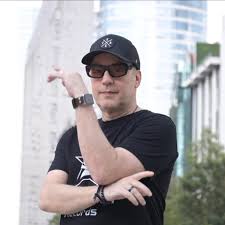
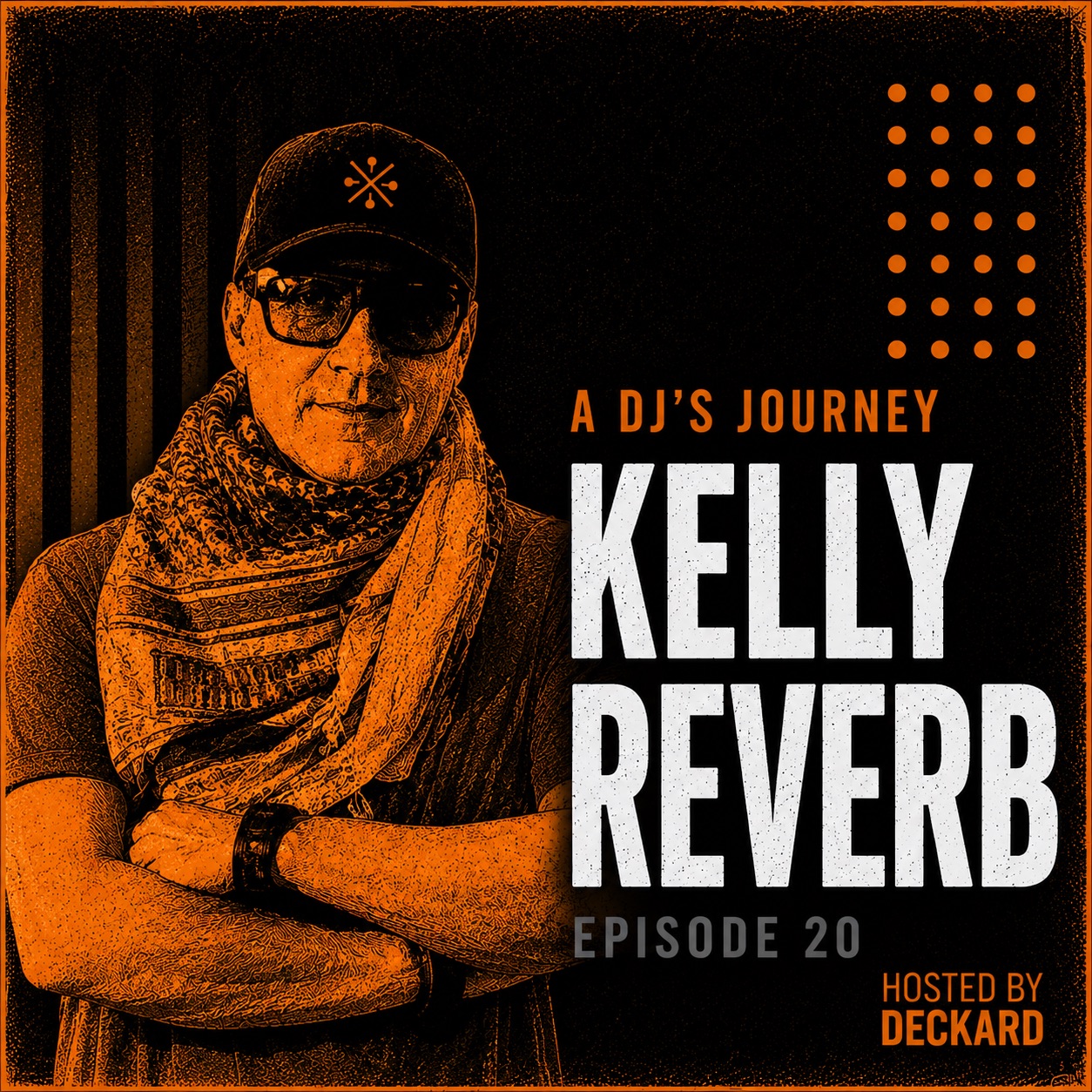
Kelly Reverb is a Dallas DJ and producer working in House, Tech House, and Melodic Techno. Formerly known as Southside Reverb — an electro/breaks and funky-house figure — he released on his own iconic red-white-and-blue label Lone Star Records and gained wide recognition when his track “Go Get On It” landed on the Blade (1998) soundtrack. He worked the counter at Bill's Records, a Dallas institution, and helped map a regional scene the history books skip — from the Starck Club to Lizard Lounge.
After the MP3 crash and a long battle with alcoholism, Kelly got sober (five years and counting), relaunched his output with co-writer Chad LeMans, and now makes what he calls the best music of his life. He hosts the mental-health and recovery podcast This Pink Cloud (thispinkcloud.com). Find him at @kellyreverb on Instagram and TikTok. This is A DJ's Journey's first-ever repeat guest — Part 1 was Episode 3.
Short-form highlights from the Kelly Reverb conversation. People can find the episode through YouTube, then land here for the full interview, transcript, and links to every platform.
Read Full Transcript ↓
Dallas, Lone Star Records & Getting Sober
Ahem.
All right. Welcome to another episode of a DJ's journey. Today, I am pleased to welcome back our first two time visitor to the pod. is Kelly Reverb and welcome Kelly. Today we're going to be diving a deep dive into the Dallas club and rave scene back from the eighties and nineties. Welcome back Kelly.
You Okay. Yeah. Hey, thanks for having me on. It has been a while and I've been enjoying the podcast. Actually. I caught the, the Krafty Kuts. Right. Yeah. Yeah.
Thank you very much. Yeah. Thank you. Thank you very much. you were, you were a great help in, kind of, offering advice and, helping me out with the origins of the podcast. So to set the scene in episode three, we definitely touched on part of your arc. But I want to set the frame a little bit again. And for the listeners out there, the reason why I'm very interested, one of the reasons being is that you're a fantastic storyteller. So I know we left meat on the bone back from those days. But really, I think...
Bye.
myself and others may feel the same way, but I feel like Dallas kind of gets overlooked as far as, you know, kind of history and especially in the break scene, but just in the dance scene in general. You know, I don't hear it come up a lot, you know, whether it's talking about history or necessarily in today's world. And so I feel like from both, you know, talking to you as well as just doing, you know, a little more research on my own that it's a little bit of an overlooked
Right. Mm-hmm.
story as far as how we got to today's world. So I'm curious if we can jump way back in the time machine to even before you started DJing. Can you tell me a little bit about what that scene was like for you and maybe tell me how old you were at the time when this was happening and what was that scene like that you encountered in the say earlier mid 80s?
Sure. Right. Mm-hmm. Right. OK. Yeah. Well, once again, thanks for having me on and appreciate it. So I guess we would be talking, you know, when I'm a teenager and I don't want to necessarily date myself, but in the 80s and the God, the there was a whole area called Deep Elm, which we were talking about prior to the show. But then there were key clubs that were going off.
Absolutely.
you know, stuff like, start club that we had touched on. so there were places like that that were happening and stark was kind of peaking a little bit before my time, before I got the McLovin ID, you know, the fake ID. but so yeah, I, basically my older sister was going to like start. And if no one knows about the Star Club, Star Club was kind of the ground zero for MDMA. And that was that was a big thing because it was not illegal. So they were literally serving it on trays like just walking around. Yeah. Can you imagine that?
Mm-hmm.
just having ecstasy. then of course, you know, two years, you know, once once legislation gets a hold of it and finds out that people are having too much fun or it's making people think a different way and act a different way, then they like to criminalize it. You know what I mean? So but that's a whole other topic. But but the thing was, is that was ground zero. And you can look, there's there's
you Yeah.
documentaries on that. But basically, the Star Club was designed by a famous architect named Philippe Stark. And, you know, it was just an amazing, you know, scene, especially when you add MDMA and no one knows what it is, and it's new to everybody and all that kind of stuff. So but that was just a little bit before my time. But then, you know, that's also putting that on my radar.
you
going, yeah, I need to go there. You know, I want to check this out. I want to check this out. So, you know, basically, you know, when my friends were hanging out in their cars, you know, like smoking weed at 16, you know, like a good 16 year old should, you know, I basically started going out and started going to clubs because I was already kind of off in to the new wave.
Right. Right.
kind of, then the beginnings of like, you know, acid house when that was around. And, you know, I was going to the predecessor of Lizard Lounge, which was Empire. There was, you know, a handful of clubs, like there was Sparks, which was upstairs. That was the first time I ever heard Renegade Soundwave, Cocaine Sex, which I love.
Mm-hmm. yeah.
But I heard that and it was back then when you would kind of hear like industrial, but then some new wave, but then some dance, you know, oriented stuff, what you would call electronic music or house today. But so Sparks and Empire and then Star Club. God, I mean, and then just twenty eight, twenty six. you know, these were all great spots and with my special ID, my special clearance, you know, like there was a place 2826 that was 50 cent well drinks on Wednesday nights and it was just rammed. And that was like when, Michael urban would be going to that club. That was kind of more early nineties, but you know, coming out of the bathroom, you know, I wonder what he's doing. I wonder why he's in there. but, yeah. So, I mean, it was great. Like as far as, you know, spots to go, there was like, it wasn't like, there's just one club. You know, it was like, there's multiple, you know,
Did you ever, so you said it was kind of before your time. Did you, did you go to start club before? Like, you know, I forget.
Also, I want to start club like 2.0, which basically the original
Okay. Was that after MDMA was illegal?
Right. So they had shut it down. had the raid. If you look this up, it's, out there. They had a huge raid on the thing. And I mean, people from the show, the TV show Dallas were going to the start club while ecstasy was, you know, alive and kicking and, God, do like grace Jones and you know, like it was like,
Yeah. Yeah. Right. Right.
It was weird that it was in Dallas, but it was like this Hollywood thing or something you would, you would think you would see in California or New York or Paris or something, but it was in Dallas, you know, but they also had the show Dallas filming at that time. So, you know, you're Larry Hagman's and, and all that. Yeah, exactly.
All Yeah. Who shot JR? What was that vibe like there? Like, could you, you know, take me into it? You know, did it feel, did it feel, I don't know, glamorous or did it, did it, was it a meshing though of you, see some celebs and football players, but everybody is, you know, kind of, uh, I don't know, united on the dance floor for lack of a better phrase.
Well, so like I was going to say about Star Club, that was like 1.0, know, the initial and that was kind of before me. That was more, you know, I didn't necessarily get to, you know, experience that firsthand. But what I got to experience was start 2.0, which basically Rick Scalante had I don't know what happened, but he wasn't a DJ anymore and they were migrating towards this guy, go go Mike, AKA Mike, the priest, who was, you know, to all the local DJs, you know, the goat, because you know, he would be hanging mixes for, you know, 60 seconds plus. And you're like, my God, dude, you know, and that was really impressive. Back then because you know, I mean turntables were the 1200s were relatively new and you know it was like you can just put these together and and tell a story, know and just play Play what we call today bangers and like, you know all this stuff and you can just play all your favorite songs all night
Right.
So that was cool. And that was the beginning of acid house when go go Mike was there and there was God, there were so many things like style council, promised land. mean, just so many good things that D mob. This is acid. All that stuff was, you know, kind of at the forefront, like we Papa girls. You know, it was just like, You know, and so experiencing that was cool. So 2.0 probably only lasted, I guess, about, you know, the original Stark was maybe two to three years before they got busted. And then it went to Stark Club. And then my generation started coming in. and the acid house and all that stuff. And that probably only lasted about two years, but it was good while it lasted, you But really, it was it was not the same as it was. And I guess it had lost its kind of original magic, so to speak. And then there was too many other spots opening up. And Stark was like a super club. So it was, you know, it was meant to house.
Right.
you know, a thousand plus easily. Whereas, you know, all these other spots start popping up. People start opening things and then, you know, people are fickle and like to go to new spots. So, you know, and then, yeah, go ahead.
Right. Right. Was that, was there an appreciable difference, do you think also, you know, because of the raids? Like did the making XSE illegal, do you think that had an appreciable difference or was it more that the scene was, you know, growing and new venues were opening?
I think it was probably a combination, but you know, also the novelty had worn off and if you can't extra tits off, you know, anymore, then it's just the spots just not as fun as it was, you know? And, and then so, and like I said, it was a huge spot. So back then, like it was just, you now we have places like silo where you can do hard ticket events and
Yeah. Right. Right.
be successful and just be open for a window and people will come out. Whereas trying to get people to come out every weekend, you know, at a certain time was a challenge. But so basically, basically, I think people just got over it. And then I think it was, you know, people, people are like squirrels, it's just like something else shiny, you know, so
Right. Right. Right. And so, and when you started, you started at the Hard Rock? Is that correct?
I started at the original Hard Rock, which was on McKinney, and that was kind of a big deal. And that was probably 80 87 maybe. But it was literally I was just a guy that would dish. My friend, shout out Gordon Sanders, was DJing and he was a great DJ. But I would just literally show up there every week, you know. And then I, Hey man, I'm practicing at home, you know, blah, blah, you know, be that kid. And then eventually I got on there. he was like, yeah, I got to do, you know, he had to do a wedding or something that paid bigger money. And he was like, yeah, why don't you fill in? And then I started filling in and it was crazy because, you know, I was playing stuff like the rolling stones, but then I would also play like, West bam, like monkey say monkey do. You know, I was playing or acid thunder by, you know, all this weird stuff that you would never think would go together. and it was cool because nobody really said anything about it. And I was like, you know, playing public enemy cuts and it was just kind of more about the programming. than the mixing, like when I did get the mix, you know, that was the exciting part because, know, and, and I, and that was funny because I also learned to DJ on the fly, you know, like trial by fire, literally. And, you know, after enough reps, then, you know, that Eureka moment you had when you're like, that was on beat.
Right. Hey, that worked. Wow.
And I had it phrased right, you know?
Right. Well, that that does sound like that era where you mentioned renegade sound wave and I was never really into punk, but but I was into alternative music as well as pop and electronic. Yeah.
Yeah, and so were we and Deep Ellum was a Deep Ellum was a hotbed of that. Yeah.
Right. So how did that sound then progress from those kind of early days where, you know, these these long sets and probably hearing music in a club that was probably ahead of a lot of the other cities, I would guess, you know, from what I can gather. Do you think that did that sound? You know, I don't know if this is a question you you know or not, but like, did that did that?
Yeah.
from Dallas then kind of spread out to the rest of the country or?
Well, you know, it's funny, they were kind of somehow keying in on what was going in on the UK in the UK. So because the asset house was huge there. So and everything from the UK was the coolest, you know, so that was kind of it. And then Chicago, you know, obviously Chicago and Chicago House, you know, was an influence on the scene as well. So.
Mm-hmm. Right.
You know, I think that was feeding in to, you know, Dallas, and kind of feeding our scene. But then I guess people would come to Dallas and then take it home, you know, so to speak, and then it would spread, you know,
Right. Right. then, and you also had the radio station was at the edge.
Yeah, so that was a little bit later on. But I mean, the kind of the first cool kind of music was the KNO in and KNO in you could tune in and listen to Jeff K before he was on edge club. Before he was doing edge club, he did thud slap where he was playing.
Yeah
You know, like they had to look a little block of cool shows and I can't remember if it was like Saturday day or Sunday or whatever, but it was just like amazing that you could hear this on the radio, you know? So yeah, like your industrial, you know, whatever. And then, eventually the, the edge came along out of that. And then that was when I was like, I'm hearing.
Right. Actually get a little fix of dance music.
You know, the cure on the air now, like on an FM station. I'm like, holy shit, man. And then that was the game changer. And then basically from there, they started doing Edge Club, which was a DJ mix show on Saturday nights, which was all the good stuff. And that was probably mid 90s when that happened. But But I wanted to touch on, you know, we said cocaine sex. was going to say fun fact. I forgot, you know, before I forget the guy that sold me cocaine sex, the the single by Renegade Soundwave was actually a little guy named Mark Griffin, which Mark Griffin, if y'all don't know, was a guy named MC 900 foot Jesus. And he was from Dallas. working at a record store called VVV. So basically I was probably working at Bill's records, which was a Mecca and also probably a huge influence on what was happening in Dallas as well. But then there was Oaklawn Records and then there was VVV and those were kind of the three and then Sound Warehouse was the chain. But it was funny to think back You know, Mark was so like disgruntled, like working there. You could tell he was like, you know, reading something like, you know, fascinating or whatever. And then you would ask him a question and he'd just give you the point. Yeah. Yeah. It should be over there. You know, not wanting to really get up or do anything, but then it was so funny because, you know, fast forward two years later. And, he puts out the single too bad. You're going to die now. and, and then I'm playing it. So I'm playing his shit, you know, at my club gigs. And, and then of course he blows up from there. think he got signed to network and then had some radio success. And then I guess, as we all do, or some new get disillusioned with the music industry and, then retire and then go.
Yeah. Right.
Go do tech somewhere.
I still remember. don't know what year that was, but yeah, it was, I'm going straight to heaven. Was that, was that one of the speed tracks? Yeah. Yeah. I still remember hearing that and just, and it's funny. cause I, I have the, going back for a second, but I have that CD single of a renegade sound wave cocaine sex as well. And, and it was, it's interesting you, you bring them up because that to me was like, what exactly are these guys? You know, they're, they're
Yeah. Yeah. Yeah. Right.
They're like a mutant Depeche mode that discovered more electronic, you know, almost industrial beats. But we're going to, we're going to mishmash in a little, not quite white rap, but a little talk rap. You know, it was, and it was just this kind of beautiful mixing of, of genres together.
Yeah. Mm-hmm. Yeah. Right. Well, and that made me want to dive in and figure out everything, you know, they did. So like it was that, and then they had a song called Cray twins out as well. And, then biting my nails came out and we all remember that one. Yeah. And then they, they tried to kind of pivot towards that. The dance thing, more underground, fun fact, Dallas skyline is in one of their videos.
Yeah. Big one. Big one, yeah.
for thunder by renegade sound wave. If you look at that, there is a background of Dallas, but, you know, they had the Phantom and ozone breakdown that, mean, that's a classic to me. You know, that's like still top 10 for me, as far as like nineties, like stuff, but then, you know, they, they kind of did that and then just disappeared. You know, I guess, I guess the label didn't get the desired.
Mm-hmm. Yeah.
results financially and hey guys you're on your own so
So in that timeframe, a DJ, you were, tell me, guess, let's dive into that a little bit more. So as you're playing hard rock or other gigs, I'm assuming you're probably starting to play out around the city as well.
Yeah. Um, so I mean, yeah, I was at hard rock first and then a place called profiles. And that was that, that was funny to you. Like profile that I didn't know if you were going to, I didn't mean to interrupt you there, but it's, it's funny. Profiles was where Jerry Jones, when he was buying the Cowboys first came in. So Jerry Jones is on my dance floor, you know, with his corn for tea.
Yeah. Oh no, no, go ahead.
just, you know, before, before he got his veneers and all that is on my floor just getting down. And, and literally, like, I'll go to the, know, I would go to the restroom, and like, these old cowboys would be there. And I'm not, I'm talking Dallas Cowboys, like Ed Tuttle Jones is in there. I don't know if you know who that is. But, like, I'm like, literally, I'm in the bathroom, and then I walk out and then he's out there.
Yeah. yeah, yeah.
And he's got like his, he's got his pants down, and literally making sure his shirt was straight enough. So when he tucked it in, it didn't bunch up. But that was a surreal experience to come out of using the bathroom. And you're getting ready to wash your hands. And there's Ed Titoll Jones. But yeah, it was crazy.
Hands down.
And all the stuff that was going on in Deep Ellum at that time was crazy, too, like the punk scene. And and, know, like I said, I can't remember the name of the like the small venue, but like we're talking like 50 to 100 people venue. And you've got the police and you to play and play in their back to back nights, you know. So it was it was insane. and Dallas got a taste of, you know, everything, which was really cool.
Right.
you know, to me and the reason why I never moved to people always ask me that like, why didn't you ever move to like LA or because that's the logical move. Right. And I'm like, why do you like I'm three hours away from everything? You know, it's just like and then, you know, and Dallas was affordable back then before everyone from California moved here. But side note, but, you know, it was it was just a good because there was enough here to have a scene and it was fun, you know.
And tell me then, guess, with your own music, like you're as a DJ that was navigating that scene for a little bit of that punk ethos, how did you grow through that as the scene itself was shifting?
Well, I mean, I, you know, I had the stuff that I personally loved. And then there was the stuff that they loved. You know what I mean? Because at at profiles like the second gig, you know, I'm playing a couple of slow jams, you know, like whatever, whatever Anita Baker was out at the time or whatever. Because like you would take them to, you know, you would basically the the DJ model It's so funny. It used to be start off slow and then you ramp the BPM up, right? And then you get to this peak point and then you drop them back down and then you do it again. You know, it was like, it was like, that was the old DJ model, so to speak, you know, because you wouldn't just say, stay one BPM all night. And that was like, I don't know where that logic came from, but I guess it seemed to work. But during that, like, you know, if I'm playing like pure energy by, info society, I was loving that, you know, or when in Rome, the promise I'm loving that, but then love shack, you know, not so much, you know, I was just like, that wasn't my, my vibe, but you know, I'd play it because it works. So, and then, and basically as far as my growth, then that starts, I started to want to not play the bullshit. You know, I started to want to just play cool shit and then, then your pool gets really shrinks. You know what I mean? Like as far as spots you can play, I call them the cool guy gigs. You know, like there was very few of those where you could get paid to play cool shit.
you
And that's kind of what I did. I went to there was a place called Club Clearview and that was kind of like, cool, I get to just play my shit that I like all night, you know? And that was kind of the turning point towards, you know, prior to production, you know, that was my turning point and my aha moment. And I'm like, okay, cool. So I just need to keep this gig.
Gotcha. and so when you came across that, was that, that, it sounds like that was your turning point, I guess, in, in going down to what would be, what ended up being your sound and, and your label, assume, yeah.
Mm. Right. Right. Well, I mean, my label, just the reason why I started my label is because I was on a label called ESP Sun. And then I was like, well, I know all the distributors because I'm working at the record store and I'm ordering records from these guys. Anyways, the and literally A &R Records is in Dallas. So this place where Yoshi Toshi and all these guys are getting their records pressed. You know, is in Dallas and I'm like, okay, well, so I'll get my ship rest here and then just drop ship it to New York and you know, game on. So that was kind of it. And I was like, well, why am I signing or why am I even looking or why would I? And I mean, that was back when you would have to send a demo cassette, you know, to get signed. Then I guess that's kind of why people moved to other places so they could meet. the Steve Levy's and the heads of moonshine and all that stuff and get signed to that label. But it was like, it kind of came to me because ESP son was out of New York. So, you know, but, but then I, but I just realized I could just DIY and it's like, why do I need these guys? You know, period. So that was kind of how that started.
And So was that, I guess, that more of a just a natural progression, you know, more of a creative decision or was it more of a, you know, this is how I'll survive in this scene.
Well, basically, basically, I mean, what it was is Hardkiss, you know, the Hardkiss Bros were kind of an influence on me because I was like, you know, that's where I did the math. I was like, well, these guys are here because they're putting out records. So I need to put out a record. And that's basically kind of where the math was done. And then, you know, I basically the guy that I started writing with was Rob on. He's kind of the Dallas goat DJ, you know, like as far as beat matching and stuff. was it was like, you know, him and go go Mike. But Mike was a little bit earlier and then Rob was the rest of the time. But he had he basically had gear and I had I had written some skeletons that were decent on. like the in sonic keyboard where you would do the onboard sequencing. And I was just like, Hey, dude, we'll make a record. And he was like, yeah, sure. You know, it was just like that. It was literally like that. It was like literally, I need to make a record. Okay. How can I make a record? Oh, okay. Well, Rob has equipment. And then it's funny because Rob, Rob and I started doing, you know, we did a first couple of records. self released. And then that's when ESP sun called and then they, I committed to here. Here's actually the CD, the sweet CD. I don't know if you can see that. Yeah. Yeah. But, look at that. Look at that guy. Yeah. But, but it was funny because like then, you know, Rob couldn't, I guess Rob got married.
yeah, South Side Reverb, yeah, nice. the cowboy hat. I like that.
And then he couldn't do his he couldn't do the commitment like, you know, it required to make records. the other guy that was had his gear in the studio was a guy named Chad Little Page. And then so Chad Little Page and I started writing stuff as well. And then that was going we we you know, we had some good stuff, but then also the label, John Trepp, shout out John Trepp, who lives in the Bay Area now. He put me in touch with a guy named King Size and King Size did Acid or Ecstasy. So I went up to Connecticut to work on tracks with him and we did, I guess, three different tracks on this album. And it was great. because I mean, he was a great producer and, you know, I mean, that's kind of the progression.
What year was that Southside Reverb album?
So this I think came out, I want to say 98. So this is kind of later. But you know, I was putting out, I think I put out the first South Side Reverb record in 95. And this might have been 97. So don't get me. Don't get me quoting. You can look it up. Look it up on Discogs. But
Yeah.
Yeah. So, mean, I had started, it was funny because like the literally the first record I put out, I started getting calls to come play and I was like, that was easy. Cause literally I'm literally sitting at bills, looking through a magazine, reading a Hardkiss article. And I'm like, okay. They're coming to Dallas. Okay. Cool. I need to make records, man. That's the next logical step. to growing as a touring DJ. And then I literally go, okay, well, I guess I need to get some gear. And then I did that for a little while put together. I mean, this all from concept to paper was literally a few months. So it was like, I need to make a record. Okay, cool. And then I... I'm so I did, you know, it was just kind of like that dumb luck optimism that you had, you know, and I still have, I still have it. It's just like, okay, let's do that.
What was that? Right. What was that feeling like to finish that first production, see the record, and were you expecting to get calls or were you surprised?
I mean, I liked, I liked it and Rob thought it was pretty good. And so, you know, and I mean, he was kind of the tastemaker in Dallas and I was kind of a tastemaker. you know, it just, it's like, it's kind of my theory today. It's like, if I think it's good, if I like it, then somebody else is going to like it. You just gotta give them a chance. You know, you just gotta And then back then there wasn't, you know, whatever, 10,000 songs coming out in a day. You know what I mean? So.
Right. The sweet spot before Napster and Beatport and all this.
Yeah. Well, before the MP3, before the MP3, you know, and it was, you would actually, you know, make money off of your record.
Yeah. Right, So in that in that time frame then. What was what was your life like as far as? You know, playing gigs and not, you know, before producing and after producing, so I'm I assume. The opportunities got better, etc. Well, what was that like for you in taking that step?
well, I mean, it was just like, you know, it's literally it's goes from this idea to, fuck, I'm headlining, dude, or, co-headlining or supporting. And I'm playing, you know, in home base in Oakland, California, you know, and stuff like that for ghost tribe. I don't know if you remember those cats.
Haven't heard of them,
But yeah, but literally, like, I mean, it was just it was just amazing to me that I had an idea and it actually worked, you know, and it was just like, I didn't think about it. I just did it. You know, I would I want to be a pro football player. You know, just kind of like that. And it was just like, I'm a pro football player now. You know.
Right. You
It was, it was one of those things, dude. Yeah.
GG. Did you have moments or obstacles, blockers along the way that you had to push through?
I mean, you know, other than making a record back then was really more of a challenge than it is now. Because we didn't have splice back then. You had to go dig and find samples and all that kind of stuff. So, you know, it was way, you know, and you're using analog gear as well. So, you know, you didn't have all these beautiful VSTs that you have today and. And, stuff like that. So it was, it was a different time. mean, as far as production, production was tough back then, you know, making a record, finding cool samples, and then, you know, putting them into a song and hoping they're on key or you didn't even really think about it that back then it's just like, what's, what's on key, you know, what is that? But yeah, I mean, I mean, other than that, and then
You
It was just kind of crazy that that I could, I went from there to just, okay, that's my job now is I, I go out of town on the weekends and, travel and, and, you know, I mean, I wasn't huge, but I was steadily booked. you know, but I didn't quite go supernova. You know, like some of these guys like I see did and, know, DJ Dan and, you know, all those guys were the headliners where I would be just below their name on the flyers, you know. But yeah, go ahead.
So you. well, I didn't want to interrupt, but you said something in our first conversation that stuck with me and you mentioned something about being the guy who was doing enough to travel but never quite pushed for that next level. And I'm wondering, I'm wondering how. Was that the right call at the time?
Mm-hmm. Yeah. I mean, I, you know, it's just like, want to be a rock star, so I'm a rock star. And then I'm like, OK, well, I'm a rock star. So but I didn't really, you know, like I didn't take it serious. Whereas if I would have pushed probably more and taken it of more of a serious approach to it, I would literally go, it's. Six. It's been six months. I need to put out another record. You know, I would have been a little more, you know, and especially knowing that that window, you know, of time was special because the market wasn't flooded. You know, so you had more of a chance to succeed and make a footprint and brand, you know, but I don't know if that answered your question or not.
Yeah. Yeah, well, I think so. because I guess back in that time, you were what was what was the white label you put out that's told? Fuck you were from Texas. I was that was that one of the first ones you put out or where was that in the the order of things?
Yeah. yeah. Fuck you, we're from Texas. Yeah. Well, the discography. Well, the first first record we put out was called Reverberation and then it was a new sonic melodic. And then and then from there, I was like, OK, well, that went well. We sold 2000, you know, and I got the phone ringing and then I was like, well, we should do remixes. So then.
Yeah, yeah.
We did remixes. had all these people doing remixes. Jeff K, one of them. He did the North Side remix with a guy named A1. And A1, fun fact, is now with the Eric Abadou camp. But literally, I mean, there was like a lot of talent here in Dallas. So I was like, cool. Like, you know, we'll have everybody do remixes. And then I was like, You know, that was kind of cool when you got a white label, you know, because it's like, what's this? That was the big mystery. And then, so I, you know, I literally, I got those records and I literally hand stamped every record on both sides. So when you see that stamp, went to Kinko's or whatever was around during the day and bought the hand stamp and just stamped all those records. And then from there, basically I started working on, a single called, or Robin. started working on a single called here we go. And then that's when I got the call from ESP son from New York. And he was like, Hey, have you ever thought about putting out an album? I was like, sure. You know, I was like,
You
And that's exactly how it went. Yeah.
Why not? not? Here's what's in front of me. This is the next thing.
Right. Yeah. So, but the only thing that happened. So basically kind of where things went sideways was the MP3 came out and you know, the vinyl was my calling card and was my promotion. and then, so the, the great thing about ESP son is they, who was running their vinyl department was really on point and knew where to sell the vinyl and all that good stuff. But then when it came to the CD, this guy right here, well, it was distributed by Roadrunner and Roadrunner has typo negative on their label. So when this lands on their desk, they're like, I don't know what the fuck this is. And then they're like talking to their people at Virgin. They just take two, you know what I mean? Just take two and let's move on. Because there was no I mean, as a kid, I didn't think there needs to be a promotional budget behind this and we need to figure out all this kind of stuff. I didn't think about that shit. I mean, I was just like, cool, you know, my record got signed, you know, like licensed to a movie. cool. All right. you're going to pay me for it. cool. Okay. You know, and I mean, I was literally I wasn't thinking business.
Right.
minded at all. And that was the thing. I mean, I was in my 20s. So I was a kid and I had just done it like literally dumb luck. You know, all these things happened, you know. But but looking back, I think if I would have dedicated myself a little bit more and had a little more of a work ethic that, you know, it probably would have been a little more successful or if I would have hustled. and tried to forge other relationships or or actually, it was like I literally everything was just dumb luck and it was like, OK, you know, like, I mean, and no, I had no idea that the blade was going to be as huge as it was, you know, and people were like, that's a big deal. And I was like, is it okay?
you It sounds like there's also a blissful naivety about it at that time.
Yeah. yeah. Blissful, blissful ignorance. definitely. Yeah, but naivety is probably a better word. Yeah, because I was just like, this is how it's supposed to go. Right.
Yeah. Right, sounds like you're just kind of going on this path as it was laid out in front of you, and this is the logical next step.
Yeah. regression. Yeah. Yeah. But yeah, that was it was insane that that, you know, you literally from idea to to traveling the window how short it was. And I remember it was like I got a call from Florida and I was like, this guy wants to pay me 600 bucks plus a airfare to come out to Florida. OK, cool. Yeah.
Right. Yeah, done.
Yeah. And that was actually Mike and Charlie, Mike, RIP Charlie, RIP Charlie. But it was Charlie
okay. I get live. Yeah.
that called me from his record store, City Sounds in Sarasota and said, hey, we're playing, you know, we've got a night here. And God, dude, that was so funny, dude. Seeing that, I have that flyer. It's literally like a paper flyer, you know? And I'm like, OK, cool. But it was insane, dude, how that would happen.
And we haven't touched on it too much, we'll jump back again for a second. So you were Lizard Lounge in the early 90s, right?
so it was, that was more mid nineties. So then, yeah. So the same time I was producing, I was also a resident there. and that was so, basically lizard lounge came after, okay. So it was a club called empire first, and then it became a strip club for a second. And then it became lizard.
Mid 90s? Okay.
And so lizard lounge, you know, was like an insta hit because, know, they were doing the radio advertising and the live broadcast on edge club on edge on, that, you know, just blew the club up. So from there, and there was a guy, a young Carl Fott was there and, he was like the resident.
Okay.
for a while and then, you know, I guess I started, somehow I got in there. I think I started in the video bar area. I was like, Hey dude, why don't you have a DJ in there? And Don, the owner was like, okay. And then so I started playing in there and then he wanted to open another lizard lounge in Miami. So then that DJ went over there with him and they were going to
you
try to start one in Miami, which I guess, you know, it didn't work out in Miami. And then I was like, okay, well, I'm like resident all of a sudden at lizard lounge. So I got the cool, cool guy gig in Dallas, and I'm traveling, you know, so it was like, why do I need to work? You know, there was no real incentive. I'm like, I'm, I'm there, dude, I made it, you know, kind of almost. but
And was that also part of the underground scene? Or was there also in addition to these venues that you mentioned, was there also kind of an additional underground rave scene there?
Well, there was. Yeah. mean, people like there was Hazy Dayz crew and stuff like that. And people were bringing in like the plus eight guys, you know, like John Aqua, Viva, Richie Houghton, you know, all that. And that was a big thing. I remember. But yeah, so there was definitely a scene going on outside of that. But that was kind of the the top of the. the pile. I mean, as far as I was concerned, you know, in Dallas, you know, like club gigs, that was the gig to have because then eventually, like it became where I say, you know, it was where clubs became headliner dependent, you know, and I like to see that it's kind of reverting back a little bit now where not every club is hard ticket, so to speak. You know, there are those hard ticket spots, but I love to see, you know, that it was just back then it was just like people. OK, this is where they play that kind of music. We're going to show up because we like that kind of music, too. You know, and I mean, there wasn't really I mean, there was other clubs going on, but they weren't as big as Lizard Lounge. Lizard Lounge was the thing. And then what supported it really was Edge Club as well. So if you have FM radio. And you've got this bad ass club. then, you know, you start, then I started bringing in the people that I would meet like on the road, you know, like your ICs and stuff like that. And then instead of having, you know, 800 people in that night, we'd have 1500 people, you know? So then it was like, okay. Cool. Then that's when. That's when it goes from being, you know, kind of cool to it starts to migrate to a business. And it's like, okay, cool. Is this guy going to draw? You know, and then I, you know, from there, then somebody came to me and was like, I was doing a Sunday night, at another spot and then, called red jacket, actually. And then they wanted to start doing a Wednesday. So I was like, oh, okay, cool. And they're going to pay me what? Okay, cool. You know, just for making a phone call to my homies and giving them good news. Hey, hey guy, you're going to make some money and you're going to play on a Wednesday, blah, blah, blah. Okay, cool. And then I go to the club and okay. All right. Well, here's, know, we're going to give you $2 a head on this. blah, blah, blah. And here's our structure, you know? So it was just all dumb luck and just literally like, it's like having food put in front of you. You want to eat? Okay. Here, you know, it was like, no thought. was just logical progression, you know?
I like it. And at what point then, so I guess when did the record business kind of crater? What year was that around?
Well, I mean, around the time of Napster and that was, I like to say it like this, so we sound really old, the turn of the century. You know, but I think I think my last record that I put out on Lone Star was probably like, I want to say 2002 2003. Yeah, but that's also when different software was coming available to produce.
Yeah. True? Yeah, okay.
the, it was, remember when reason came out. So reason was a big software from, you know, from Cubase, and logic and all that stuff. But, but reason was like, my God, dude, this is a game changer. But then, you know, by that time, you know, when the records cratered, then there was no way, like if you weren't already established.
Right.
How do you, how do you sell an MP3? You know, like there's nothing tactile about an MP3 and there's no branding happening. So it's like, you know, unless you're Paul Oakenfold, good luck. You know what I mean? unless you're already huge and have a huge following, then how are you going to make noise? Because there was no real promotion back then. so to speak that I knew of. mean, there might have been, but you know, there was no way to promote it. So but everybody, you know, from our era or whatever, always goes, Lone Star. Yeah, red, white and blue. You know, they always go here. Hold on. I'll have to pull it out.
yeah. Well, while Kelly's pulling a record out in the background here. So the reason Kelly and I are friends to this day is I was at home going through my record collection and I came up with or I'm looking through and I see this iconic, iconic label. You have one in your hands there. Yeah. look at that. Kelly, Kelly reverb DJ. see lovely. And yeah, that star, that red white.
Yeah Yeah. Let's see everybody. Everybody knew the red, white and blue in the star.
Yeah, the red, white and blue. And that that's why I sent you a message on Instagram because I went, Damn, this was such a cool label. And I'm like, I like, I haven't listened to this for years, but I'm just going to reach out to you on a random, you know, whatever night. And even though you were two hours later, you responded, you're like, Hey, what's up? Cool. Cool to hear from you, you know, and we just started chatting. So that
Right? Right. Any more? Right. And now you know the true story behind it. There was this moron kid that just dumb lucked it.
Well, so that I mean, was that was that? How did that make you feel? Was that devastating when all of a sudden what you had been doing? What you know, what's naturally coming in front of you all of a sudden? Now there is this, you know, just disruption.
Well, then, right. Yeah, I mean, it was definitely well, what do I do now? That's the whole like, you know, and so then I'm just like, well, you know, I used to do open format and that's what it kind of migrated to. So basically, phone stops ringing probably around 2005 because, you know, I'm not my relevancy is going away. so the, so the gigs are drying up and blah, blah, blah. And then from there, you know, I'm still, I still got a huge name in Dallas because everybody's heard my name so many times on the radio and all that kind of stuff. that I was still, I like to say I was the king of Dallas, you know, for a little while. so I still had gravitas with my name. And so I would still get to play some of the cool spaces, but then that was kind of going away and that was shifting as well. and then, so I guess eventually, you know, I start just DJing locally. and, then the DJing locally, then it's like, you know, I mean, hip hop was huge too, back then as well. You know, that's the beginning of Jay Z and. Beyonce and all that stuff. but then, so then basically the open format starts creeping back into my set. And at that time I'm just like, you know, you, you do what you gotta do to keep the lights on. You know what I mean? It's just like, okay, I don't, well, I for sure don't want to get a real job, you know? So, so that's out. So then. You know, I was like, can I can compromise and, you know, play stuff that I don't really like. But then, you know, that's kind of where the whole alcoholism leads in, because, know, like one of the reasons why you sign up to DJ is for the free drinks. And then, you know, that's that's a perk of the job. And then and then it's kind of like, well, OK, cool. I can play that, you know, that Jay-Z record or whatever record was hot at the time. And I was just like, I'll have, you know, I'll have, you know, a little shot to make the pain go away. And, and, and, and, and then basically, you know, you start to, uh, I started to resent what I was doing, but that, that took years to do that, you know? Um, and then, you know, I wasn't just. It wasn't making me happy. And then it's like, you know, that whole I used to be somebody I used to be a can. I used to be a contender and now I'm a bum. You know, that does creep in. But, you know, it's the entertainment business kid. You know, it is what it is. You know, so it was it was cool to experience. But then I love it now. because I'm actually, you know, experiencing a renaissance. And, you know, not drinking helps a lot. I guess aids in, you know, your productivity, let's say. So and that's kind of what happened for me, you know, like basically, you know, I was DJing and getting paid and resenting it, you know. But still doing it because a I got to drink for free at least, you know, and get paid whatever 300 a night. So, you know, you have you have three nights a week and, know, you're making a pretty decent living. You know what I mean? And and so. But then it's still like I like to say this, like every time you play the Cupid shuffle, it just steals just a little bit of your soul. It takes it with you, you know, like it takes that little bit of your soul away and then you just become, you know, I mean, I did at least I became, you know, a raging alcoholic because I was unhappy. I was unhappy with where I was, what I was doing and I had to do it. And so, you know, I was making it. I was pain management. You know, as they say with alcohol, but I was also I also was predisposed to having anxiety attacks. So that being said, you know, throw a little alcohol at an anxiety attack and boom, it's gone, you know, but it's cyclical, you know, and you don't realize that, hey, guess what? I'm going to come knocking the next day when you're hung over. you're going to have a raging panic attack, you know? So, you you don't even though people I had heard that I'm like, you know, screw you. You don't you don't get it. That's the only thing that fixes my anxiety is alcohol. So problem solved, you know, until you know, it ramps up and then you're like, hmm. I'm kind of doing this every day, you know, and then it gets, you know, progressively worse and you either basically you either die or you quit, you know, and, and, and I, I say, have a hall of fame drinking career and I don't ever say, I don't preach. I don't ever say, I mean, I had five years sober. it is what it is, but just
Right.
knowing that, you know, you're I just function better without it. And and it seems like society champions. But it seems like also that the younger kids are kind of figuring it out, too, because there was no dry January when I was a kid. You know, there it was only, you know, Miller Lite January, you know, or whatever. But, you know.
Yeah. Right.
I guess, I mean, it's like, what does this all mean? I don't, you know, I don't know. I don't know. But I just know that it was just a logical progression. And then now it's just cool to be able to do what I love again, because then when I started producing again, I realized how much I missed producing and how much I missed creating, you know,
You
And, and then, you know, once I started doing that, then now I'm like, okay, well, cool. How do I, you know, how do I promote this? And then I figured that part out. And then, you know, as we know, I like to say, being an underground DJ is a, it's a very expensive hobby. You know what I mean? So,
Yeah. I can relate to that statement at times. Yes?
Yeah, exactly. So it's like, really, you know, if you want to make money at being a DJ, like we were talking about earlier prior to the show is open format wedding DJ, you know, just have that. And then I mean, it's really not that hard because there's only X amount you're going to do. And then you have to do Mike work. Hey, you know, and if you can do that, I mean, you can make a great living. at doing that, you know, if you're okay, because some people really like that. Some people just enjoy. mean, I'm in it, you know, for the music now. Whereas, you know, if you can compartmentalize or enjoy that music, God bless you, dude, you found your gig, you know. But for me, it's just like. I would rather go get a gig as a phlebotomist or something like that, you know, then then, you know, have to be that guy that
Right. So it sounds like what you were saying there though is that so music will get around to the healing aspect but being in that situation where you were either I don't know if it's unhappy with the music per se but unhappy with your circumstances it sounds like.
Yeah, I was I was full on disgruntled. You know, yeah. Well, it's just like, yeah. can you can you play? No, go fuck yourself. And it was like, unless you're unless you're leading with a hundred dollar bill, I don't want to hear from you, man. Yeah, yeah.
disgruntled DJ is never the best DJ. Do you see the sign that says no requests? No? Here, let me write it on a piece of paper and show it to you.
I do that, but God love them. love the people that make requests because like, you know, I love it when people go like, they go, well play, play something good. And I'm like, I like literally I'm like, you see the other, the hundred people around you that are dancing. They think this is good. I, know, yeah. Yeah, exactly. Dude. funny, but whatever.
Right. Yeah. Could you play some real music? So music as both... Boy, I don't know. What's the word I'm looking for here? Because to get to the healing portion of it, I guess you just... There's a phrase in recovery. You got sick and tired of being sick and tired. It sounds like maybe you were something along those lines. And what...
Mm-hmm. Right. Well, it was get busy living or get busy dying. You know? Yeah.
Give his time and where so in that was it sobriety first and then love of music again or.
That was how it went for me because literally, and it's so funny because the guy I started writing music with again is a guy named Chad Lamons. And obviously he still does his own stuff. I do my own stuff. But when we started, he was an active heroin addict and I was a blackout drunk. So it was perfect. It was a perfect match. so, but, but yeah, like literally like after, you know, he went to jail and his story is on my, on my podcast, this being cloud, if you want to look it up, but it's called, I think sobriety ain't pretty here, something like that. But, you know, I went to, I went to rehab, just because like, I, you know, I couldn't stop on my own. mean, I string together maybe 24 hours and that was it, you know, and then it was like, knock, knock, knock panic attack, you know? So it was just like I was drinking my way out of it and you can only do that for so long. So I went to, I went to rehab and then he went to jail and it wasn't prison because he was in jail for forgery because I mean, you know, heroin is an expensive habit or actually speed balls is what he wound up on because the heroin didn't, didn't do it enough.
No. Yeah.
So then you have to add cocaine to that. So, you know, it makes perfect sense. so, so literally like I get out and then, I get out and then I started doing my podcast or whatever. And then he gets out, or no, I, I, I found his mom's email and I was like, you know, Chad's either, either dead or in prison. And it was the latter.
Right.
And, you know, I said, I, for some reason I had his mom's email because she was sending me a contact or something one time. And so I emailed her and she was like, Oh yeah, he's trying to get ahold of you, blah, blah, blah. And then eventually, you know, he gets out. Uh, and then, um, then we started working on music in like 20, 20. Three. I mean, we had done a couple of things, but had no clue in like 2018, 2019, 2000, you know, sometime around then, but had no clue what we were doing. You know, oh, you, you put it on Spotify, you know, it's like, oh, okay, cool. You know, it was, it was just insane. And then basically, then I figured out, okay, cool. There's a way to promote. you know, music now, and you can get it to thousands of DJs at once, you know, and then hopefully from there, if you do that enough times, then you build, you know, you brand kind of like, you know, back in the day, it was, it was this, you know, now, you know, it's this, you know, but it's, it's
Mm-hmm.
The thing I love about now versus back then that was very regional because it was vinyl. Whereas, you know, we've had songs that are on Kiss FM in Kiev, Ukraine and stuff like that. And it's just like, you know, how does that happen? It's just like, you know, so like literally, I mean, obviously
Mm-hmm. Right.
not at this time, but eventually we will probably go to Kiev, Ukraine and play, you know, when things settle down. But it's just amazing how It would literally like back in the 90s. It was like, you know, it would branch out and it would be it would resonate in pockets and I would get booked in those different areas, you know, like San Francisco, you know, all of Florida, you know, you know, wherever, whenever. But then, you know, now it's just like. I hardly, you know, You would think Dallas would be one of my top 50 cities and it's not. It's amazing how, how, you know, the local scene used to support the local scene so much. yeah, this guy's from Dallas. Lone Star Records, Texas, you know, and I always had support here. And I mean, I do, I'm, getting that now. Don't, but it's just, you would think that it would be my number one market, you know? but it's just not like that anymore. it's just like, you know, being a stranger in your own town, you know, you know, but, it's cool because like I've always been a sociable guy and now it's cool. get to, you know, I say, it's like you're running for office, you know, when you're a DJ, you know, when you're, when you're trying to brand. It's like, hey, vote for me. Vote for me. Vote for me. yeah, yeah, yeah, yeah, exactly. But yeah, well, exactly. And that's the thing. Like, I've, I've always had a little bit of that. Barnum and Bailey in me, you know, the greatest show on earth, you know,
Right, Except there's constant elections. You're always campaigning. You're always campaigning.
I've had a little bit of that in me, but then now it's just like, hey, if I get it to the right audience, you know, and give a chance for it to succeed, then it will succeed and some greater than others. And maybe I'll have a lottery ticket, you know, maybe I'll have a camel fat cola and then, you know, I'm a hard ticket and I'm not doing this fucking podcast. No, I'm just kidding. But no, but I mean, I would still do this podcast. Always do this podcast just because you're a good dude. it's just like, you know, I don't know. Do I want a lottery ticket? I mean, because then it's just like, that's your song, dude. You're branded, you know? That's how everybody knows Camel Fat. But they get to have this great career.
You
Outside now they get to headline in Ibiza. They get to do all the cool stuff that I want to do Now you know now as an adult and it's it's like But at the end of the day I just make it I and I say this to everybody I say, you know do it because you love it You know, I I'm you know, I'm I I do the music thing because I love making music And then at the end of the day, if I'm treating it like a business, I want it to be a successful endeavor.
Yes, and it strikes me as what you've gained by going through that journey and discovering or, you know, going down the sobriety route and mental health road. So there's a part of me that thinks if you could go back in time, you might tell yourself, hey, you know, there's these lessons to be learned on the flip side, going through what you went through.
Mm-hmm.
feels like you landed at a really healthy place where you are right now.
Right. Right. Well, you don't know to, no one instinctually knows, not to put their hand on a hot stove until you do it. You know what I mean? So it's like, it's like until you do that, okay. You know, you it's, you know, experience. So it's lesson learned and that's kind of, guess, what life is about, I think, you know, is experience and experiencing, you know, the good, the bad, the ugly, you know.
and perspective gained.
Yeah, exactly. Exactly. Because you don't really know what that is until you do it. You don't know what that feels like until you actually do it. You know.
Yeah, I'm trying to think again when you said that he was on here when and I'm like a blackout drunk a perfect pairing. I'm like, God, aside from DJing, I'm not sure what other what other pairing or what other vocation you could even, you know, draw those two together.
yeah. yeah. Well, it was funny because he was basically a sound guy at the club because he was a sound engineer and we just happened to get along and I literally go, hey, so there's this thing called Ableton. Do you know how to drive? I figured that out. You know, whatever. And then and then I guess, you know, we kind of did it together. You know, we we figured it out together and and. I mean, it's just been fun to to to to rediscover, you know, something that you loved and but rediscover it, I guess, for the right reason. I mean, you know, what is the what is the right what is the right reason? You know, I mean, yeah, I would love to do this as a business. But I just I just love making music at the end of the day. I love making music and. I think I know how to make good music. You know, I would hope by now. I'm pretty good at this, you know, because I put I put in a lot of effort, put in a lot of time to be a shitty painter. You know what I mean? I should at least be able to play, you know, rock Mononov on the piano relatively decent, you know, by this point.
Yeah, well, I, you know, as I was saying with not because you're on the pod, but yeah, I do I do get your songs coming through and you are definitely putting out good work and, and good songs. And I'll also maybe this will be the last question. Do you do you actively think about what your legacy is?
Thank you, sir. Thanks. Okay. You know, I have, but... The thing is, I don't really concern myself with that, but the thing that I do think is so cool about music and art and all that is that long after I'm gone, somebody's gonna go, oh, and take a deep dive on Kelly Reverb. And it's just, they'll resonate with them. thousands of years in the future. You know, I think that's cool. And then I also my other joke is that is about being in the in the movie Blade. You know, I have the song in the movie Blade. The thing is, as I always like to say is, I often wonder how many children have been conceived while my song is playing. I'm like, you know,
you
It's the end of blade. If people are into the goth thing, you know, it's like, it's funny, you know, it's just one of those things that I think is fascinating about music and art, you know, and, just how, how, how I can be, I, I could be literally in the sticks in Texas somewhere and still doing this. And, you know, it's just funny to think, you know,
Yeah.
You don't have to really even leave your house to be, you know, a sensation anymore. You know, you can, you can be anywhere.
Right. Well, and with you mentioned Blade and it's interesting because that people still love that movie and and you also kind of were were a part of part of it before the superhero movies really became a huge thing. So kind of retroactively, you being and, you know, having a song in that movie actually does hold up as a legacy bigger and bigger over the years, I feel like, because because of how popular those movies got.
yeah. yeah. Oh, yeah, yeah, no, it just it just it just snowballs. And it's crazy because now the people are doing these things called blood raves, you know, like where they recreate basically the scene from the movie, you know, and like, I don't like. Well, I mean, I think there might be a copyright involved there. But, you know, as long as you're not calling it blade rave, I think you're good, you know. But literally, you know, there's a touring show going around.
Right.
to each city and they sell out, dude. And it doesn't matter who the DJ is. It's not a headliner. It's the concept. So I think that's kind of a fascinating pivot that we're seeing now as well. And then people are all, and then there's always kind of the resurgence of vinyl, like the novelty of vinyl. Ooh, a vinyl only bar. Ooh, I'm like, yeah, man, I mean, I'm like.
Right? Right.
I live in a vinyl only, you know, like, it's like, it's just like, you know, but to other people, it's still, you know, fascinating, you know.
Yeah. Well, the physical, the ability to look at a record and see that will never, I don't think that'll ever change. Nobody's picking up an MP3 and flipping it around to see the credits.
Yeah. Records are just records are just cool, man. mean, let's be honest, records are just cool. And we love to let our imagination run wild when we see a Led Zeppelin cover, you know, or like when Alva Mart really made you like, what the fuck, you know?
Right. Yeah. Yeah, whether you like whether you like the Eagles or not the hotel California, you know that double gatefold sleeve like you could sit there and just look at look at that for like a half an hour going we got what what is going on in this thing.
Right. Yeah, you're like, what's going on? Right. Yeah, sure. And I love that. That it makes you think, you know, I love I love and I miss that part. You know, that part is kind of been, you know, it's been taken over by the interwebs, you know, and social media and social media is such an important part of the game. But it is what it is. You know, either either you be the disgruntled old guy or you fucking get on board. You pivot, you know.
Yeah. Yeah. Yeah. Nope.
Yeah. You know, it's just like, there's nothing, there's, it's not going to serve you any purpose to, you know, be angry at what the infrastructure is now. It's just either adapt, adapt and Excel or just, you know, get off my lawn.
Well, I was not the one to come up with this, but I forget what movie it was, but they said, well, if there's, you can be disgruntled, does that mean you can also be gruntled? So, so, with that, I guess, we can wrap up and say, it's a pleasure to have you on for the second time, the first two timer. And, thank you for going down the deeper dive with me and, and getting again into,
Right. Right. Exactly. Yeah.
some of your sobriety and both the way that music can make you disgruntled and gruntled. Come around on the flip side and come through with shining colors. Thank you once again for being on the show again.
and gruntled. Right. Yeah. Well, thank you for having me on. And, you know, if anybody wants to check out my podcast, this pink cloud.com, and it's about mental health and recovery. I've kind of branched out because, you know, just talking about recovery, gets repetitive. So, but it's about mental health and then also follow me on Instagram because, or tick tock or whatever, but it's just at Kelly reverb. And thanks for having me on,
Hey, Kelly, and, and, and do check out his productions. Cause, you're making some fire tunes. So check them out on the spot of spies on the, the better yet on the beat port on the, on the beat port. So you can buy those tracks. Yeah.
Oh yeah. Check me out on the Spotify's on the Spotify's and on the Apple music and the YouTube's on the, on the, on the beat port. Yeah. Yeah. Yeah. Well, dude, they've got a great model now. And that's another funny thing is now they have streaming. So that's insane to me. Like you used to have to buy. Yeah. But, but it's crazy because all of a sudden something's charting that I put out.
Yeah. right. Yeah. Which is weird. No. Yeah.
you know, a year ago. And it's just, I'm like, well, that's be port streaming for you.
Yeah.
It's just five dollars a month. You know, yeah, right. But anyway, that's another podcast.
Yeah. Yeah, that's it. No big deal. All right, Kelly. I'll look for an invitation sometime maybe next year and you will become the first third timer on the pod. Yeah.
nice. I love it. I love it. Well, thanks again for having me on and and then you're supposed to go Hey, be sure and like subscribe guys. Comment
yeah, that's right. Like and subscribe to both This Pink Cloud as well as DJ's Journey. yeah, leave your comments. And who else would you like to see on the pod? Let me know. All right. With that, signing off.
Cool. Cut.